7 Tips for Choosing a Belt Cutting Machine
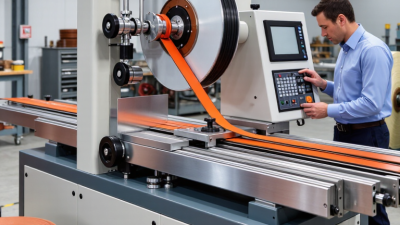
Choosing a Belt Cutting Machine is not just a matter of comparing prices or advertised speed. The right model should match your material, production volume, and cutting requirements. A machine designed for thin fabric may struggle with thick rubber or reinforced webbing. Small details matter.
Before reviewing options, note the belt’s material, width, thickness, and required cut length. Consider whether operators need straight cuts, repeatable lengths, or frequent size changes. These details affect blade choice, feeding method, adjustment time, and expected output. A fast machine is not always the most productive one if setup takes too long.
Ask suppliers how accuracy is measured and whether they can demonstrate the machine using your own material. A sample cut can reveal fraying, edge deformation, or feeding problems that a specification sheet may not show. Not on paper. Also check guarding, emergency stops, routine blade replacement, and access to service support. These practical points influence safe operation and long-term upkeep.
The seven tips in this guide will help you compare machines with clearer criteria. They cover cutting capacity, control features, build quality, maintenance, and total operating needs. Some trade-offs remain. A lower-cost machine may suit occasional work, while higher-volume production may call for stronger feeding and more consistent control. The best choice depends on what your shop actually cuts each day—not only what a brochure promises.
Identify Your Belt Materials and Production Requirements
Start by listing every belt material you plan to cut, including rubber, leather, fabric, or polyurethane. A machine suited to flexible fabric may not handle thick, reinforced rubber cleanly. Record each belt’s width, thickness, stiffness, and surface texture. Include any backing or embedded cords. Small details matter.
Tip: Test representative samples. Check for frayed edges, slipping, heat marks, and uneven widths. Do not guess.
Then match the machine to your production pattern. Estimate daily output, required cut-length tolerance, and the range of belt sizes you process. A high-volume line may benefit from automatic feeding, while frequent small batches may need quick adjustments and simple controls. Consider who will change blades and clear scraps. Setup time can quietly reduce output.
Ask for sample cuts using your own materials and compare them with your required dimensions. Measure several pieces, not just one; feed pressure and material variation can affect consistency. Confirm the machine’s rated capacity against your thickest belt, rather than relying on an average. If specifications seem unclear, request written clarification. I once underestimated changeover time, and the production plan looked better on paper than on the floor. Check available workspace, power needs, guarding, and routine maintenance before deciding.
Compare Cutting Methods and Machine Configurations
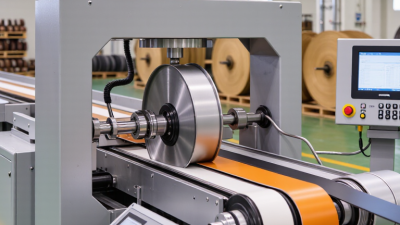
A belt cutting machine should match both the material and the way your shop handles production. A rotary knife can make smooth, continuous cuts on flexible webbing, while a guillotine-style blade suits repeatable, fixed-length pieces. For narrow belts or multiple strips, slitting systems can improve throughput, but blade spacing and edge quality need careful checking. The fastest method is not always the best.
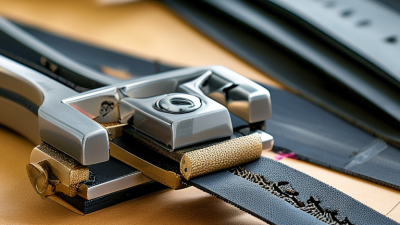
Material changes the result. A soft woven belt may stretch under feed tension, while a coated or laminated belt can fray or develop rough edges. Test samples at the intended width and speed. Look closely at the cut edge, length consistency, and any heat marks. Small details matter.
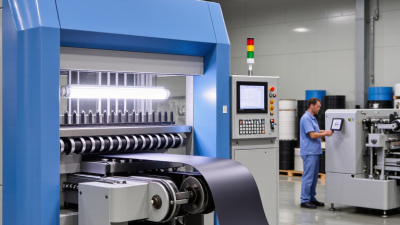
Machine configuration affects daily work. Manual models offer simple control for short runs, but require steady operator attention. Semi-automatic machines can feed and measure material more consistently. Fully automatic setups may suit high-volume production, especially when paired with a conveyor or batch counter. Check how quickly operators can change lengths, adjust guides, and replace blades. A complicated setup can cost time. I have seen a machine perform well in a trial, then slow down when frequent material changes exposed awkward adjustments. Consider maintenance access and operator training before comparing output figures.
How to read this chart: Indicative fit scores (1 = low, 5 = high) compare common cutting methods for portability, suitability for thick or reinforced belts, and edge consistency. Scores are qualitative, not standardized machine specifications; actual results depend on belt construction, blade or tool setup, and operating conditions.
Check Cutting Capacity, Speed, and Precision
A belt cutter’s stated capacity should match the material you actually run, not just its maximum width. Check the usable cutting width, thickness range, and whether the machine can handle curled or layered stock. Ask for a sample cut using your material. Measure the edge and length across several pieces. Small differences add up. A machine rated for 500 cuts per hour may not sustain that rate when operators reload material or change settings.
Speed matters, but only alongside accuracy and energy use. The IEA’s Energy Efficiency 2023 report estimates that industry accounts for about 37% of global energy use; compare finished cuts per kilowatt-hour, not speed alone. For precision, define an acceptable length tolerance and test repeatability over a full production run. Check for frayed edges, angled cuts, and drift after the blade warms up. A spec sheet can look reassuring. I would still question figures measured under ideal conditions. Ask the supplier to document the test material, operating speed, and measurement method, then compare those results with your own production needs.
Assess Safety Features and Ease of Operation
A belt cutting machine should feel predictable, not merely powerful. Check that the blade and pinch points are guarded, the emergency stop is easy to reach, and access panels cannot be opened casually during operation. The U.S. Bureau of Labor Statistics reported 2.6 million nonfatal workplace injuries and illnesses in private industry in 2023 (Employer-Reported Workplace Injuries and Illnesses, 2023). This figure is not machine-specific, but it reinforces the value of evaluating hazards before buying equipment.
Tip 1: Test the safety controls. Ask for a supervised demonstration using the materials and belt widths you actually handle. Confirm that guards stay in place, the stop control is visible from the operator’s position, and the machine cannot restart unexpectedly after a power interruption. A checklist helps. Still, it may miss an awkward reach or a rushed shift change.
Tip 2: Judge ease of operation at the workbench. Look for clear settings, readable measurement marks, and simple blade-change and jam-clearing procedures. Ask how energy is isolated before maintenance; OSHA’s machine-guarding and hazardous-energy-control standards address these risks. Operators should not need to reach near a moving blade to guide material. Have staff try routine adjustments, then note where they hesitate. Small friction matters.
Compare Total Cost, Maintenance, and Supplier Support
A belt cutting machine’s purchase price is only one part of its cost. Compare the quote with expected output, material waste, power use, and replacement blades. Ask for a sample cut on your actual belt material. A clean edge on a thin sample may not predict performance on thick, layered stock. Cheap upfront? Not always. A slower machine can raise labor costs over time.
Check what routine maintenance involves before you buy. Ask how often blades need adjustment or replacement, whether operators can do it safely, and what common wear parts cost. Downtime costs. Request a written maintenance schedule and realistic service intervals, not just a list of features. A little mess matters, too: dust buildup or awkward access can turn a quick cleaning task into a daily nuisance.
Supplier support deserves a close look. Confirm response hours, parts availability, installation help, and operator training. Ask who handles troubleshooting and how long common components typically take to arrive. Compare warranty coverage carefully; it may exclude wear parts or travel costs. A supplier’s promise sounds reassuring, but get practical details in writing. I would still leave room for uncertainty: actual upkeep depends on shift length, material, and operator habits. Ask for references from users with similar workloads, then compare their experience with your own production needs.