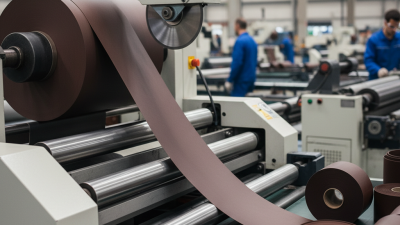
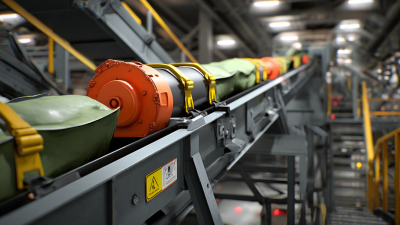
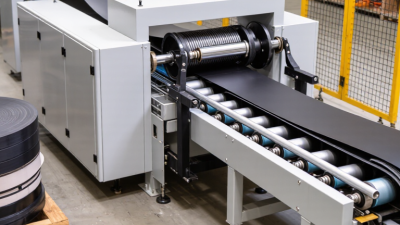
Choosing the right Belt Cutting Machine is not only a question of speed. Global buyers also need consistent cut lengths, clean edges, and a setup that suits their materials. A machine used for rubber, leather, webbing, or industrial fabric may need different feeding and blade configurations. Check the specifications against the actual belt width, thickness, and daily production volume. Small mismatches matter. A sample cut can reveal fraying, slipping, or uneven edges before a purchase is made.
This guide explains the features that deserve close attention in 2026, including cutting accuracy, automation, operator safety, maintenance access, and available technical support. Ask suppliers how they verify performance and whether they can provide clear operating documents, spare-part details, and practical service arrangements for your region. A fast machine is not always the best fit. In real production, reliable feeding and easy adjustment can matter more than a headline speed. Buyers should compare total operating needs, not just the quoted price. Some details are easy to overlook. I would still treat published performance figures as a starting point, not a guarantee; materials and working conditions vary. The goal is a dependable choice that matches the job, the team, and the factory’s real workflow.
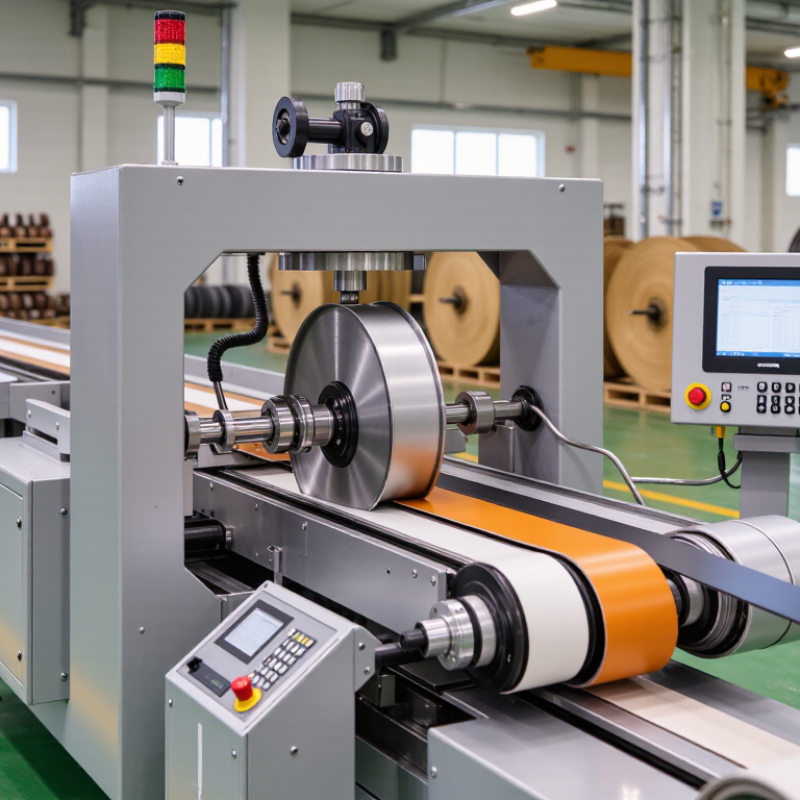
ISO 14890 covers rubber- or plastics-covered conveyor belts with textile construction for general use. ISO 15236 addresses steel-cord conveyor belts. These standards describe belt requirements; they do not certify a cutting machine or guarantee a clean cut. Buyers should check the belt specification and current standard edition before choosing equipment.
Material changes the cutting job. A textile belt may need firm clamping and a blade suited to its thickness, while a steel-cord belt calls for equipment designed to cut through its reinforcement. Fit matters. A skewed cut can complicate splicing, even when the belt itself meets its specification. Ask suppliers how their machine handles the belt’s width, thickness, and reinforcement, and whether it produces a square, repeatable edge.
Look beyond cutting speed. Check guarding, workpiece support, blade replacement, and how operators control the belt during a cut. Request a trial using material similar to your own, then inspect the cut edge and measure its angle. Not just speed. I would also verify the stated tolerances against your site’s actual splice procedure; this detail is easy to overlook, and machine brochures may not explain it clearly.
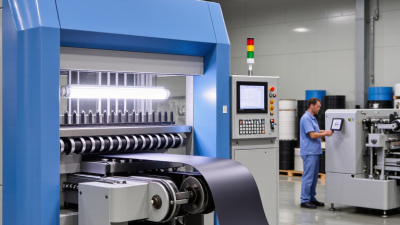
Choosing a belt cutting machine starts with the material and the required edge quality. Slitting systems use rotating blades to divide long rolls into narrower strips. They suit repeat orders where widths stay consistent and production runs are continuous. Operators should check blade sharpness and tension; a dull blade can leave fuzzy edges on woven belts.
Guillotine machines use a straight blade that moves down across the material. They are practical for cutting individual lengths or stacked layers, with straightforward setup for changing dimensions. The cut is easy to inspect. But thick or slippery belts may shift, so clamping and blade clearance matter. No method is perfect.
CNC systems follow programmed dimensions and can handle varied shapes or frequent size changes. They reduce manual measuring, though setup still depends on accurate files, suitable tooling, and operator checks. A sample cut can reveal fraying, compression, or a slightly angled edge before a larger run. Buyers comparing suppliers should ask about usable belt width, cutting tolerance, spare blades, and local service access. Also confirm power requirements and training support; these details are easy to overlook when comparing machine speed alone. A fast machine that needs repeated adjustment may not save much time.
Typical core capabilities of slitting, guillotine, and CNC cutting methods. “Yes” describes the method’s standard cutting function, not a guarantee for every machine configuration.
Slitting is designed for continuous lengthwise cuts, guillotine cutting for straight cross-cuts, and CNC systems for programmable contours. Actual capabilities depend on tooling, feed systems, and machine configuration.
A belt cutting machine should be assessed with actual material, not a brochure specification. Record the belt’s measured width and thickness before testing, then check cut dimensions at several points across a production run. A digital caliper and a simple measurement sheet help make results comparable. Small differences matter when finished belts must fit the same assembly. Keep the material type, operator, and machine settings consistent during each trial.
Tips: Run at least 30 consecutive cuts. Note the target width, average result, widest variation, and cutting speed. Repeat the test after a tool change or setup adjustment. For thickness, test samples from different points in the roll; material can vary more than expected. Record jams, frayed edges, and manual corrections, too.
Speed alone can mislead. A fast setting may produce rough edges or inconsistent lengths, while a slower setting may improve repeatability. Compare good parts per minute, not just machine cycles. Check whether the operator can reload material and make routine adjustments without losing alignment. Trial data is useful, but it is not perfect: short tests may miss wear, material variation, or shift-to-shift differences. Keep those limits visible when comparing machines, and request a longer run if the first result looks unusually clean.
For global buyers, a belt cutting machine should be assessed as a working system, not just a blade and motor. ISO 12100 provides a structured approach: identify hazards, estimate risk, reduce risk, then check what remains. Watch the belt path, feed rollers, cutting head, and scrap-removal area during normal work and clearing jams. A hand reaching beneath a guard can face a different hazard from a machine running unattended. Record each task, including setup and cleaning. Small details matter.
ISO 13849-1 addresses safety-related control systems. Ask how emergency stops, guard interlocks, and safe-stop functions are designed, and whether their required performance level was determined through risk assessment. Request design and validation records, not only a feature list. Test safety functions under realistic conditions, including power restoration and foreseeable faults, with qualified personnel.
A paper checklist is not enough. Still, test results can miss awkward operator habits or maintenance shortcuts. That gap deserves another look.
Compare the assessment with the actual machine configuration, because a changed guard, sensor, or control setting may affect the original safety assumptions. Keep instructions clear for operators and technicians, and make sure inspection intervals are practical for the factory’s workload.
For global buyers, cutting capacity means more than maximum belt width. Compare usable width, material thickness, cutting speed, and daily shift output. Ask suppliers to run your own belt material and share sample cuts, edge quality, and cycle times. A fast machine is not useful if it distorts coated fabric or needs frequent adjustment. Deloitte’s 2024 Smart Manufacturing Survey found 86% of respondents expected smart manufacturing to drive competitiveness within five years. That supports checking control-system data access and diagnostics, not simply buying the most automated option. Still, connectivity cannot replace a real production test.
Compliance and service affect whether a machine performs reliably after delivery. Request risk-assessment documents, electrical drawings, guarding details, and manuals suited to the destination market. The World Bank’s 2023 Logistics Performance Index assessed 139 economies across six dimensions, including logistics competence and timeliness. That is a reminder to check spare-part routes, shipping terms, and local technician coverage before comparing prices. Calculate total cost with tooling, blades, energy, installation, training, and likely downtime included. Ask for written service response times and spare-part availability. One uncomfortable detail: buyers sometimes compare quoted prices before agreeing on the same capacity test. That makes the cheapest offer look better than it is. I would still verify every promised output against the actual belt material and production schedule.