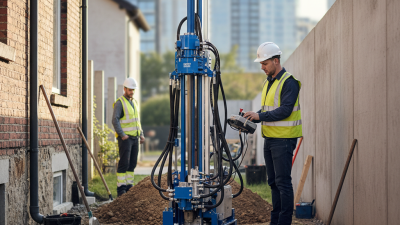
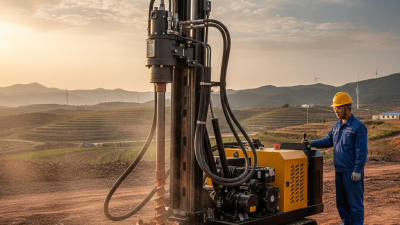
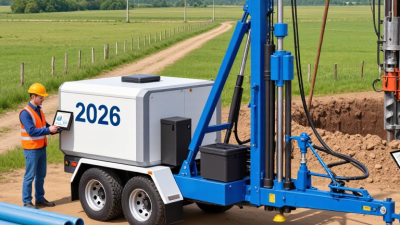
Choosing a Small Borehole Drilling Machine in 2026 is a field decision, not a brochure contest. A rig that looks compact beside a warehouse wall may feel very different on a narrow, muddy access track. Ground conditions matter. So do target depth, borehole diameter, water needs, and the crew’s experience. A machine suited to soft soil may struggle in fractured rock. And extra power can add weight, transport costs, and setup time.
Before comparing models, define the job. How deep must the borehole reach? What formations are expected? Can the site accommodate the mast, support vehicle, and drilling rods? Check torque, feed force, flushing options, lifting capacity, and available spare parts. Ask suppliers for operating limits and service records, not only headline specifications. A simple field trial can reveal awkward controls, slow rod handling, or poor stability. Small details matter.
As [verified drilling expert’s name] puts it, “[insert a verified quotation about matching drilling equipment to site conditions].” Confirm the expert’s identity and the quotation’s source before publication; an unsourced endorsement weakens trust. This guide will compare machine types, key specifications, ownership costs, and supplier support. It will also flag a common mistake: choosing by maximum depth alone. That figure may not reflect the ground, tooling, or working setup you actually have. No checklist can replace site knowledge, and some choices will still involve trade-offs. That is worth admitting.
Before choosing a small borehole drilling machine, define what the borehole must do. A household water supply, soil investigation, and geothermal loop each place different demands on the equipment. Record the intended use, expected daily yield, and whether the hole must fit casing, a pump, or sampling tools. A narrow bore may save drilling time but leave too little clearance for installation. That matters.
Set the required depth according to local ground conditions and the target, not just a machine’s advertised maximum. Review nearby well records or arrange a site assessment. Allow for uncertainty in overburden, fractured rock, and seasonal water levels. A planned 40-meter hole may need extra usable depth if loose upper layers require casing. Check the rig’s practical capacity in the expected formation, including rod handling and flushing needs. Some limits are not obvious.
Specify the finished bore diameter, not only the bit size. Bit wear, casing, and the space around the casing can affect the opening required. Match the diameter to the pump dimensions and expected yield, while avoiding an unnecessarily large hole that increases drilling time and water use. Recheck these figures with the driller after a site visit; paper estimates can miss local conditions. I would leave room for that uncertainty.
How to use this chart: These are illustrative screening examples, not fixed design standards. A groundwater monitoring borehole might be planned around 15 m deep with a 50–150 mm diameter; a domestic water-supply borehole around 60 m with a 150–250 mm diameter; and a vertical closed-loop geothermal borehole around 100 m with a 100–150 mm diameter. Confirm the required depth and diameter with local geological, water-use, and permitting requirements before choosing a drilling machine.
Choosing a small borehole drilling machine starts with the ground, not the brochure. A compact rig that handles dry clay may struggle in cobbles or fractured rock. Check site logs, nearby well records, and a test hole when conditions are uncertain. Soil can change within a few metres. That matters.
In soft, cohesive soils, look for steady feed control and a suitable auger or casing method. Loose sand may collapse as the bit advances, so continuous casing or an appropriate fluid system can help stabilize the hole. In gravel, check torque, flushing capacity, and tool clearance; rounded stones can deflect small bits. For competent rock, rotary-percussive capability and replaceable bits may matter more than advertised depth. Ask what conditions the depth rating assumes.
Groundwater changes the plan. A rising water level affects flushing, cuttings removal, and hole stability. Pressure conditions need careful assessment by qualified local professionals. Match the pump, rods, and casing to the expected depth and water inflow, with some reserve. Confirm transport width, setup space, and power supply before purchase. During drilling, track penetration rate and inspect returned cuttings; both can reveal a mismatch early. Site records are imperfect, and experienced crews can misread a layer. Recheck assumptions before committing.
How to Choose a Small Borehole Drilling Machine in 2026?
Compare Drilling Methods, Machine Capacity, and Key Specifications
Choosing a small borehole drilling machine starts with the ground, not the advertised depth. Auger systems can suit soft, relatively stable soils and shallow work. Rotary drilling offers more flexibility across changing ground, while down-the-hole hammer methods can help in hard rock. Each method has limits. Check local ground conditions and the intended bore diameter before comparing machines.
Match capacity to the actual job. Review rated drilling depth, torque, feed force, mast height, and compatible rod lengths. A compact machine may be easier to transport, but limited torque can slow progress in dense layers. Compare the power source, water or flushing requirements, setup footprint, and access to routine service parts. Ask how rated depth was measured; casing, soil changes, and operator technique can affect results. Catalog figures are useful, not guarantees.
Tips: Request a specification sheet and confirm the machine can handle your planned bit and rods. Check stability on the site’s surface, especially on uneven ground. Keep a little capacity in reserve. I have seen selection decisions lean too heavily on maximum depth; that is an easy mistake to make. A short site assessment can reveal a better fit.
How to Choose a Small Borehole Drilling Machine in 2026?
Power source, portability, water supply, and site access often matter more than headline drilling speed. An electric machine may suit a site with reliable power and low noise needs. A fuel-powered unit can offer more independence, but adds fuel handling and ventilation concerns. Match the power source to the actual workday, not an ideal one. Check the machine’s rated capacity against the ground conditions and planned bore depth.
Portability is more than machine weight. Consider whether the frame can pass through a narrow gate, fit in a vehicle, and move over soft ground. Water needs vary with drilling method and soil, so estimate supply before arrival. A 200-litre tank sounds adequate until the ground absorbs water quickly. Site access can also limit setup: measure gates, overhead clearance, and the level space needed for the rig. The neat specification sheet can still mislead.
Tips: Walk the site before choosing. Measure access points, confirm the water source, and ask the supplier for realistic setup and operating requirements. Keep a little room in your plan for delays; estimates are not always right.
When choosing a small borehole drilling machine in 2026, inspect its safety features in person, not just on a specification sheet. Check that guards cover moving parts, the emergency stop is easy to reach, and the mast locks securely before operation. Look for damaged hydraulic hoses, loose fittings, or worn cable connections. Test the controls at low speed in a clear area. Small details matter.
Ask for the maintenance schedule and the parts list before buying. Confirm how often filters, lubricants, drill rods, and bits need attention under your expected ground conditions. Dusty or abrasive soil can shorten service intervals, so a schedule based on ideal conditions may not fit your site. Check whether routine parts are readily available and whether local technicians can service the machine. A neat manual is useful, but it cannot prevent every delay.
Compare total ownership cost, not purchase price alone. Include transport, fuel, operator training, scheduled servicing, replacement tooling, and likely downtime. A cheaper machine may cost more if parts take weeks to arrive. Estimate costs across the hours you realistically expect to drill, then leave room for uncertainty. One estimate will be wrong; downtime is often the surprise.
Compare machine types against the ground conditions, access constraints, required borehole design, and expected workload. Performance and suitable drilling depth depend on the rig configuration, tooling, operator, and site geology.
| Evaluation Area | Portable or Hand-Fed Rig | Trailer-Mounted Rig | Compact Crawler Rig | What to Verify Before Purchase |
|---|---|---|---|---|
| Typical use | Small jobs where low transport weight and access through narrow areas are priorities. | Regular work at sites accessible to a tow vehicle, with a need for a more self-contained setup. | Work on uneven or soft ground where tracked mobility and a compact footprint are useful. | Match the rig to the planned hole diameter, drilling method, ground conditions, and required production rate. |
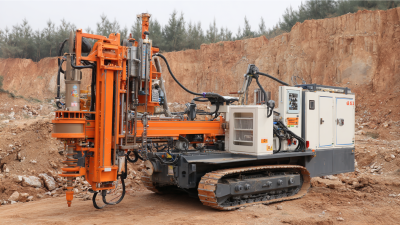
| Site access and setup | May be easier to carry or break down, but often requires more manual positioning and setup. | Requires suitable towing access and room to position and stabilize the trailer. | Can travel under its own power on site, but still needs adequate transport, loading, and working clearance. | Check total transport dimensions and weight, loading method, ground-bearing conditions, setup time, and space for rods and support equipment. |
| Safety features | Check rotating-part guards, secure handles, stable anchoring, and accessible emergency stopping arrangements. | Check emergency stops, mast and feed controls, guards, stabilizers, and safe access to operating controls. | Check emergency stops, guarded moving parts, safe control layout, and protection against unintended movement. | Inspect the actual machine and manual. Confirm safety devices are fitted, functional, clearly identified, and suitable for the intended work. Do not assume a feature is standard. |
| Hydraulic and pressure hazards | Where hydraulic systems are fitted, inspect hoses, couplings, and pressure ratings. | Check hose routing, leak protection, pressure ratings, and any applicable hose-burst or overload protection. | Check hydraulic hoses and fittings for abrasion, secure routing, and protection from moving components. | Follow the manufacturer’s pressure-release and inspection procedures. Never search for a hydraulic leak with bare hands. |
| Maintenance needs | Routine checks can include fasteners, drill rods, drive components, and guards; service frequency depends on use. | May require scheduled checks of the engine or power unit, transmission, mast, feed system, and trailer components. | May require scheduled checks of the engine or power unit, hydraulic system, tracks, and drilling assembly. | Request the service schedule, required lubricants and filters, wear-part list, inspection procedure, and service support arrangements. Use the maker’s intervals. |
| Consumables and wear parts | Budget for tooling, bits, rods, and other parts suited to the selected drilling method and formation. | Budget for drilling tools, rods, fluids or air-system consumables where applicable, and wear items. | Budget for drilling tools and consumables, plus undercarriage wear where relevant. | Confirm availability, replacement lead times, compatibility, and expected wear under your specific ground conditions. |
| Total ownership cost | Purchase or finance cost + transport and setup + labor + tooling and wear parts + repairs + storage. | Purchase or finance cost + towing vehicle and transport + fuel or power + labor + tooling + service and repairs. | Purchase or finance cost + transport and loading + fuel or power + labor + tooling + track and hydraulic maintenance. | Compare costs over the same ownership period and workload. Include downtime, insurance, training, financing, resale value, and any required support equipment. |
| Best-fit decision | Consider when access and portability matter more than minimizing manual setup. | Consider when jobs are reachable by trailer and the rig will be used often enough to justify transport and upkeep. | Consider when self-propelled site movement and terrain access justify the additional transport and maintenance requirements. | Ask for a demonstration using representative tooling and ground conditions. Compare verified operating costs and service requirements rather than purchase price alone. |
Planning note: Safety equipment, service intervals, capabilities, and operating costs vary by machine design and configuration. Verify specifications against the machine’s documentation, applicable local regulations, and the conditions at the intended drilling site.