How to Choose a Portable Water Well Drilling Rig in 2026?
Choosing a Portable Water Well Drilling Rig in 2026 requires more than comparing prices and engine power. Ground conditions, drilling depth, water quality, and transport access can change the right choice completely. A compact machine may fit through a narrow farm gate, yet struggle in dense clay or fractured rock. Field experience shows that rig performance depends on the complete system, not one impressive specification. Torque, rotary speed, pump capacity, mast strength, and available drill sizes must work together.
This guide examines practical factors that influence reliable rig selection. It considers air, mud, and rotary drilling methods, along with casing installation and borehole stability. Before comparing models, buyers should review local geological reports and confirm the expected water table. A contractor should also measure access roads, working space, and ground bearing capacity. Small details matter. A steep driveway can complicate delivery, setup, and safe operation.
Manufacturers’ specifications provide a starting point, not a final answer. Ask for verified performance data, service records, warranty terms, and replacement-part availability. Request demonstrations when possible, especially in soil resembling the planned site. No checklist predicts every formation. That limitation deserves attention. Reliable decisions combine professional advice, documented testing, operator training, and realistic budget planning. Local drilling regulations and environmental requirements must also be checked before work begins. This approach helps buyers avoid choosing a powerful rig that is difficult to transport, expensive to maintain, or unsuitable for the actual ground.
Portable Water Well Drilling Rigs: Definition and Main Applications
How to Choose a Portable Water Well Drilling Rig in 2026?
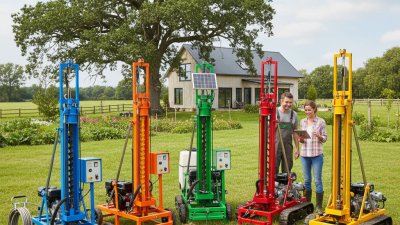
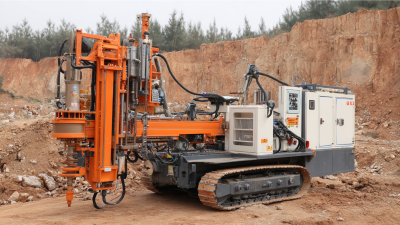
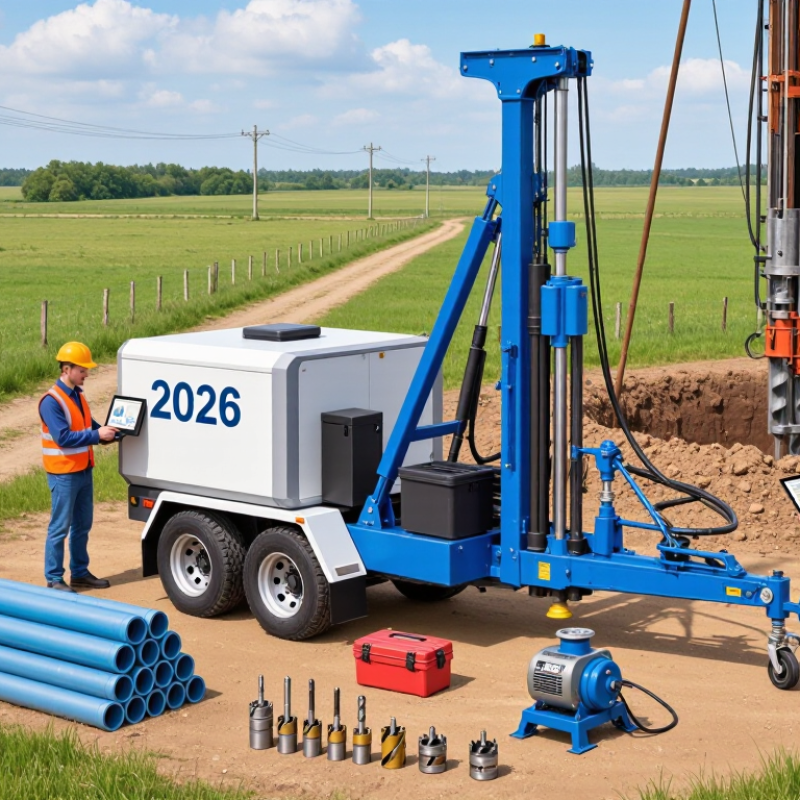
A portable water well drilling rig is a compact machine for boring through soil and rock. Its frame, mast, power unit, and drilling tools can move between remote sites. Unlike fixed equipment, it often fits on a trailer, truck bed, or small transport platform. That mobility reduces setup time near farms, villages, construction areas, and emergency water points.
Portable rigs serve several practical applications. Contractors use them for domestic wells, irrigation systems, and groundwater surveys. Rural projects may require drilling beside narrow roads or uneven fields. A compact rig can reach these locations with less site disturbance. It can also support environmental sampling and temporary water-supply work. Not every model handles hard rock well. That matters.
When choosing equipment in 2026, match drilling depth and ground conditions with the rig’s torque, feed force, and drilling method. Rotary systems suit many soft formations, while down-the-hole tools may perform better in fractured rock. Check transport dimensions, maintenance access, fuel use, noise levels, and available spare parts. A clear control panel helps operators make safer adjustments around changing ground pressure. I have learned that quoted depth can be optimistic. Actual results depend on geology, tooling, water management, and operator skill. Small details matter. A rig that travels easily but lacks stable anchoring may waste more time than it saves.
Key Specifications to Compare Before Choosing a Rig
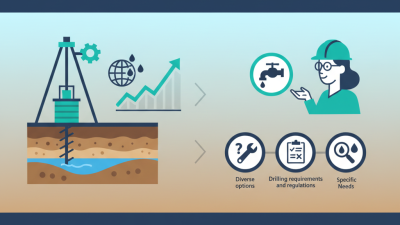
Choosing a portable water well drilling rig in 2026 requires more than comparing catalog prices. In field work, geology can change quickly, even within one site. Match rated drilling depth and maximum hole diameter to the aquifer survey, not optimistic sales figures. Rotary torque matters in hard formations. Pullback capacity matters when rods bind. A rig that looks compact may struggle at depth. That detail is easy to miss.
Check the power source, engine output, and fuel consumption under load. A smaller engine may reduce transport weight, but it can lose performance during continuous drilling. Confirm the air compressor’s pressure and flow, especially for down-the-hole drilling. Mud drilling requires a pump with suitable flow, pressure, and solids tolerance. Ask for measured operating data, not only peak ratings. Noise, dust control, and emergency shutoffs also affect daily usability and worker safety. These are practical specifications, not extras.
Transport dimensions, total weight, mast height, and ground clearance should fit your access route. Measure bridges, gates, slopes, and turning spaces before ordering. Hydraulic controls should allow smooth rod handling and accurate feed pressure. Inspect frame welds, hose routing, and maintenance access during a demonstration. Request service intervals, spare-part availability, and drilling records from comparable ground conditions. My preference has changed: maximum depth is less useful than stable performance at the planned depth. No specification replaces a site test. Soil reports can be wrong.
How to Match Rig Capacity With Soil and Drilling Conditions
How to Choose a Portable Water Well Drilling Rig in 2026?
Rig capacity must match the ground, not only the planned depth. The USGS Groundwater Use in the United States report states that groundwater supplies about 50% of drinking water in the United States. That demand makes reliable site assessment essential. Start with soil logs, nearby well records, and the USDA NRCS Web Soil Survey. Clay may require high torque and strong flushing control. Loose sand needs casing support and careful circulation. Weathered rock often demands percussion capability.
Hard formations change the equipment calculation. A shallow rig can still fail when fractured rock causes sudden torque spikes. Check rated torque, pullback force, mast capacity, compressor output, and rod diameter together. A rig with impressive depth claims may perform poorly in wet clay. It may also struggle when water inflow carries fine sediment. Field crews often overvalue maximum depth. That is an easy mistake.
The WHO and UNICEF Joint Monitoring Programme reported that 2.2 billion people lacked safely managed drinking water in 2022. This highlights the need for dependable, properly planned wells. Match the rig to aquifer depth, formation hardness, borehole diameter, and access limits. For remote sites, transport weight and setup time matter as much as horsepower. I would leave safety capacity above the expected load. Real ground conditions are rarely as neat as the survey suggests.
How to Choose a Portable Water Well Drilling Rig in 2026?
Match the rig’s rated drilling depth with the expected formation. Harder and more fractured ground generally requires a stronger rig, higher torque, and greater down-the-hole or rotary capacity.
The figures are representative planning ranges for small to mid-size portable water-well projects, expressed in metres of rated drilling depth. Actual performance depends on borehole diameter, casing size, groundwater depth, drilling method, rock strength, fracture density, and site access. Confirm the selection with a geological survey and the rig manufacturer’s technical data.
Evaluating Portability, Power Systems, and Operating Requirements
How to Choose a Portable Water Well Drilling Rig in 2026?
Portability is more than a compact frame. Measure the rig, tools, rods, compressor, and water tanks as one load. A narrow rural track may reject equipment that looks portable on paper. UNESCO’s World Water Development Report 2022 states that groundwater provides nearly half of global drinking water. That demand makes reliable access equipment increasingly important.
Power selection depends on geology, depth, and daily drilling hours. Electric systems can reduce local emissions and simplify indoor work, but they need dependable supply. Diesel systems offer autonomy, yet fuel storage, ventilation, and maintenance require planning. Check torque, hydraulic flow, compressor output, and continuous power ratings, not only peak horsepower. The International Energy Agency reported in its Electricity 2024 analysis that electricity demand is rising faster in many emerging markets. Remote sites may still experience unstable grids. A hybrid battery setup sounds attractive, but its added weight can reduce practical mobility.
Operating requirements deserve field testing. Confirm rod changes, mast clearance, water use, noise exposure, and service access with the actual crew. NIOSH recommends limiting occupational noise exposure to 85 dBA over an eight-hour shift. That threshold can be exceeded near compressors. It is easy to underestimate fatigue. I would also request a cold-start test and a slope test before purchase. Manufacturer figures often assume ideal ground, skilled operators, and perfect maintenance. Real sites rarely cooperate. A smaller rig may drill slower, but its transport savings can protect the project schedule.
Safety, Maintenance, Budget, and Supplier Considerations in 2026
How to Choose a Portable Water Well Drilling Rig in 2026?
A portable rig should match your ground conditions, access limits, and planned drilling depth. Check mast locks, emergency stops, guarding, and platform stability before comparing output. A compact machine is not automatically safer. Uneven soil, overhead lines, and wet drilling areas can create serious hazards. Confirm the rig supports suitable rods, casing, and approved dust-control equipment. Ask for clear operating manuals and documented safety testing.
Tips: Walk the worksite before purchasing. Measure gates, slopes, and turning space. Request a live demonstration, not only a specification sheet. Check maintenance access with gloves on. Filters, grease points, hydraulic hoses, and drill bits should be reachable without unsafe climbing. Keep a service log with operating hours and replacement dates. Small details matter.
Budget beyond the purchase price. Include transport, fuel, water management, spare parts, training, inspections, and downtime. A cheaper rig may become expensive when parts arrive slowly. My own planning mistake would be focusing too heavily on drilling speed. Reliability and simple maintenance often protect margins better. Ask suppliers about local technical support, parts availability, warranty limits, operator training, and references from similar ground conditions. Request written answers. Promises made beside a machine can be forgotten. Also verify permits, environmental requirements, and groundwater protection duties with the relevant local authorities before work begins.