Top Deep Well Drilling Machines for Global Buyers Today?
In today’s competitive market, the demand for efficient and reliable deep well drilling machines is soaring. These machines are essential for various industries, including oil, water, and mining. Global buyers seek advanced technology and durability when investing in such equipment. The depth of the wells and the geological conditions play a crucial role in selecting the right drilling machine.
Deep well drilling machines come in various types, each designed for specific applications. Factors such as power, mobility, and cost-effectiveness are vital for making an informed choice. While numerous options exist, understanding their features and limitations is key to success. Not every model is suitable for every environment, which can lead to challenges in operational efficiency.
However, it's necessary to reflect on past experiences. What worked for one project may fail in another. Evaluating performance metrics and user feedback can guide buyers toward better decisions. Striking the right balance between capability and price is not always easy. Buyers must remain vigilant to ensure they receive a deep well drilling machine that meets their specific needs and offers long-term reliability.
Understanding Deep Well Drilling Machines: An Overview
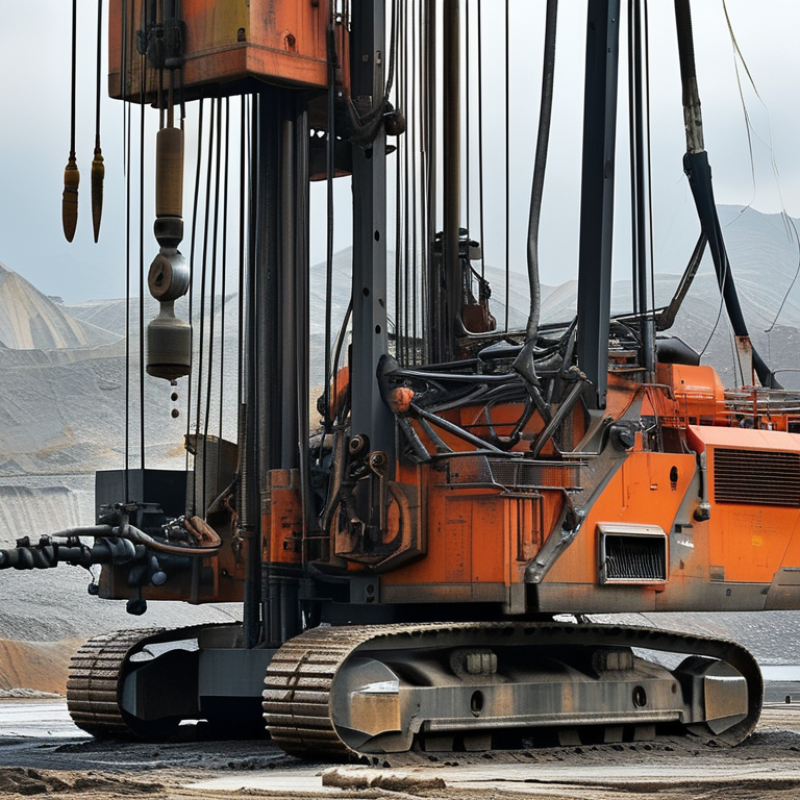
Deep well drilling machines are essential tools in today’s industrial landscape. These machines are designed for various applications, including oil, gas, and water extraction. Their primary function is to penetrate deep earth layers to access valuable resources. The choice of a drilling machine often depends on the specific geological conditions and project requirements. Many factors influence this decision, including the depth of the well and the type of soil.
Efficiency is a crucial factor in deep well drilling. Machines that offer precise drilling capabilities can significantly reduce project time and costs. Drilling depth can reach thousands of meters, making it imperative for machines to operate reliably under pressure. Advanced technologies in these machines allow for better control and safety. However, even the best machines require skilled operators to manage the complexities involved. This highlights the need for proper training and experience in using such equipment effectively.
Maintaining these machines is also an aspect worth reflecting on. Regular inspections and servicing are vital. Despite having advanced features, machines can malfunction if not properly cared for. Understanding the mechanics behind these tools can enhance their reliability. For buyers, selecting the right machine involves striking a balance between cost and performance. Each option comes with its pros and cons, urging buyers to conduct thorough research.
Key Features to Look for in Deep Well Drilling Machines
When selecting a deep well drilling machine, key features can significantly impact performance and efficiency. First, consider the drilling depth. Machines designed for deeper wells often come with stronger structural integrity and more powerful motors. This allows for more challenging geological formations to be penetrated effectively.
Another crucial aspect is the drill bit type. The bit should match the specific soil and rock conditions. There are various options available, such as diamond or carbide bits. These materials offer different advantages depending on the drilling environment. Additionally, a reliable mud circulation system can enhance drilling efficiency and reduce downtime.
Ease of operation is also important. Machines should have user-friendly interfaces and control systems. This can help operators make adjustments quickly. Look for models with safety features and automatic shut-off capabilities. However, even the best machines require proper maintenance. Regular checks and an understanding of technical specifications ensure long-lasting performance. Remember, buying a high-quality machine does not guarantee success without knowledgeable operation and care.
Top Deep Well Drilling Machines for Global Buyers Today
| Machine Type |
Maximum Depth (m) |
Drilling Diameter (mm) |
Power Source |
Weight (kg) |
Key Features |
| Rotary Drilling Rig |
3000 |
200-500 |
Diesel |
15000 |
High torque and stability |
| Reverse Circulation Drill |
2500 |
150-300 |
Electric |
12000 |
Efficient and quick sampling |
| Mobile Drill Rig |
1500 |
100-250 |
Gasoline |
8000 |
Compact and portable |
| Percussive Drill |
2000 |
80-200 |
Hydraulic |
5000 |
High impact force |
| Geothermal Drill |
2500 |
150-400 |
Electric |
10000 |
Designed for thermal drilling |
Top Global Manufacturers of Deep Well Drilling Machines
Deep well drilling machines play a crucial role in various industries, particularly oil and gas extraction, water supply, and geothermal energy. According to recent reports, the global deep well drilling market is projected to reach approximately $7.3 billion by 2026, reflecting a compound annual growth rate (CAGR) of around 5.2%. This growth can be attributed to increasing energy demands and advancements in drilling technologies.
Several manufacturers dominate the market with innovative solutions. Research indicates that efficient designs have led to reduced operational costs and improved drilling effectiveness. Advanced features like telemetry systems and automated drilling processes enhance precision. However, manufacturers face challenges. High production costs and regulatory pressures can impact profitability. Additionally, the environmental scrutiny of drilling operations necessitates ongoing innovation and sustainability measures.
The competition among global manufacturers is fierce. Companies need to focus on continuous improvement, not just in machine efficiency but also in environmental practices. Industry reports suggest that addressing these challenges can position manufacturers as leaders. Investing in research and development will be vital for keeping pace with technological advancements and market demands. Ensuring reliability and reputation is essential for long-term success in this evolving landscape.
Comparative Analysis of Deep Well Drilling Technologies
Deep well drilling technologies have evolved significantly, providing unprecedented efficiency and precision. A study by the International Association of Oil and Gas Producers indicates that advanced drilling techniques have improved penetration rates by up to 30%. This comparative analysis highlights two major technologies: rotary drilling and directional drilling.
Rotary drilling remains the backbone of deep well projects, especially in traditional oil extraction. However, it often struggles in unstable geological formations. In contrast, directional drilling allows for drilling at varying angles, exploiting reserves that lie beneath challenging terrains. Industry reports suggest that this method can reduce drilling time by 20% while increasing well accessibility.
Tip: Always consider geological surveys before selecting a drilling method. These surveys can significantly impact efficiency and safety during operations.
Innovations such as automated drill rigs are emerging, enhancing work safety and productivity. Yet, the transition to automation poses challenges. Not all operators are trained to manage these advanced systems. Thus, a balance is crucial.
Tip: Invest in training for personnel on new technologies. Skilled operators are vital for maximizing the benefits of modern drilling equipment.
Top Deep Well Drilling Machines for Global Buyers Today
This chart compares the efficiency (measured in meters drilled per day) of various deep well drilling technologies. Rotary drilling stands out as the most efficient, while hydraulic fracturing shows relatively lower efficiency in comparison.
Future Trends in Deep Well Drilling Equipment and Markets
The landscape of deep well drilling is evolving rapidly. Emerging technologies are shaping the equipment sector. Automation and remote monitoring are two significant trends. These shifts improve efficiency and reduce operational risks. As companies strive for sustainability, eco-friendly drilling practices are gaining traction. This shift reflects a broader commitment to environmental responsibility in the industry.
Market demand for deep well drilling is also changing. In regions facing water scarcity, effective drilling techniques are crucial. Companies need to adapt to new regulations and standards. This adaptation requires continuous investment in advanced technologies. The integration of artificial intelligence in drilling operations offers prospects for optimizing performance. However, the implementation process can be challenging and requires thorough understanding.
Despite the promising trends, the industry often faces hurdles. Technological advancements can lead to skill gaps among workers. Training programs must evolve to bridge this gap. Manufacturers must also address fluctuating raw material costs. This creates pressure on pricing and profitability. There remains a necessity for maintaining quality while navigating market complexities. These considerations influence both short-term strategies and long-term planning.