Leave Your Message

10 Best Slitter Rewinder Machine Manufacturers in 2026

Choosing a Slitter Rewinder Machine manufacturer is not just a comparison of catalog speeds. A converter handling thin film needs steady web tension, clean slit edges, and rolls that stay firm without telescoping. Paper, foil, labels, and flexible packaging each place different demands on knives, shafts, controls, and operator access. Small details matter. A difficult splice or uneven roll can slow an entire production shift.

Web-handling specialist Dr. David Roisum’s published work emphasizes the importance of controlling the moving web. A concise paraphrase of that principle is: “Stable tension and alignment make the web more predictable.” This is a paraphrase, not a verbatim quotation. The manufacturers in this 2026 guide should be judged against practical questions: Can the machine handle your materials and widths? Are tension settings repeatable? Is the knife system suitable for your slit tolerances? What support and spare parts are available after installation? A polished brochure cannot answer everything. Buyers should request application-specific references, sample-roll trials, and clear service details. No ranking fits every plant. The right choice depends on real production conditions, budget, and the problems your current line creates.
10 Best Slitter Rewinder Machine Manufacturers in 2026

What a Slitter Rewinder Machine Does and Where It Is Used

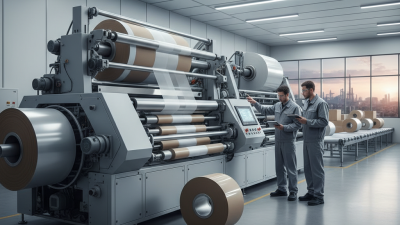
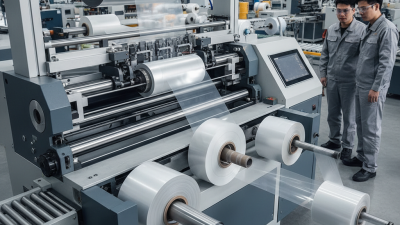
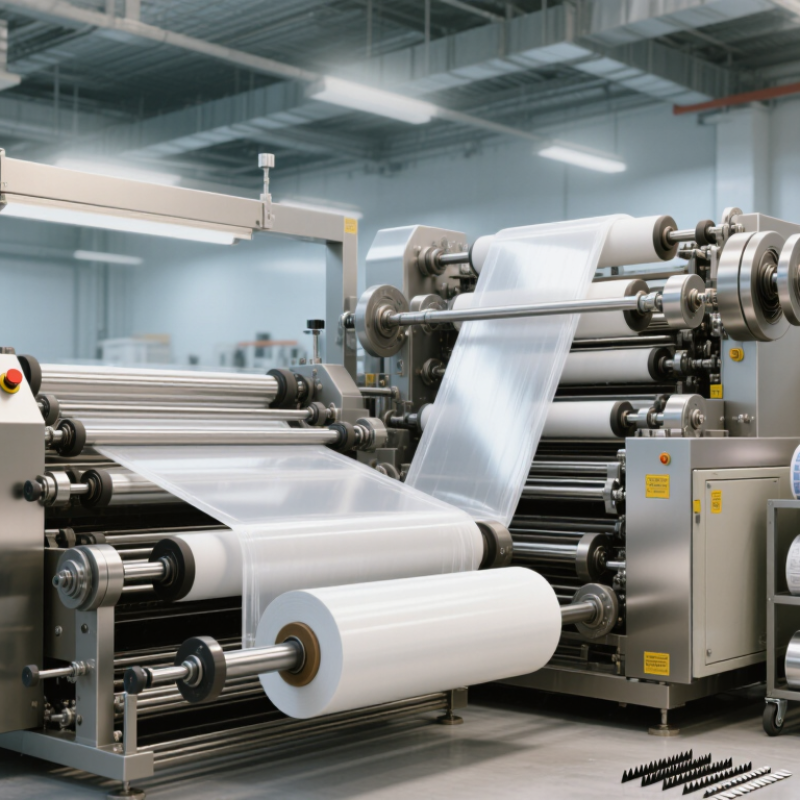
A slitter rewinder turns a wide roll of material into narrower rolls with controlled widths and tension. It unwinds a parent roll, guides the moving web past cutting blades, then rewinds each slit lane onto a core. Operators adjust blade position, alignment, and winding pressure to reduce rough edges, wrinkles, and loose rolls. Small details matter.

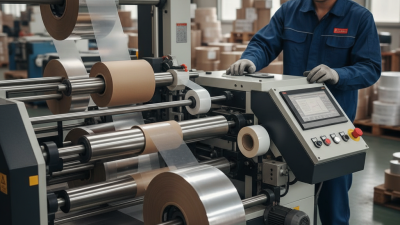
These machines are used to convert paper, label stock, flexible packaging films, and thin metal foil into rolls suited to later production. A packaging plant may slit a broad film roll into several lanes for pouch making. A label converter may produce narrower rolls to fit printing or dispensing equipment. Width and roll diameter affect how easily the material feeds downstream.

Machine setup depends on material thickness, stretch, and sensitivity to edge damage. Some systems use razor knives; others use shear or crush cutting. Tension that works for paper may distort a soft film, so settings need testing rather than guesswork. Even a clean cut can produce poor rolls if winding pressure is uneven. That part is easy to overlook. Operators should check finished edges and roll firmness during production, since one setting rarely suits every job.
How Slitter Rewinder Manufacturers Are Evaluated in 2026

In 2026, evaluating a slitter rewinder manufacturer starts with real operating conditions, not brochure speed. Ask how the machine handles your material’s thickness, width, coating, and roll diameter. Then request a trial using your own substrate. Watch edge quality, tension stability, splice handling, and dust near the knives. Small details matter. A clean edge on a short demo roll may not stay clean after an eight-hour shift. Compare measured output with stated line speed, while noting setup time and rejected meters.

Engineering capability shows in practical answers: how are tension zones calibrated, and how quickly can operators change blades? Check guarding, maintenance access, spare-part availability, training, and documentation. These are not glamorous. Yet delays can begin with a sensor nobody can source or a setup step known only to one technician. Review references from users processing similar materials, and ask what failed, too. A factory visit can reveal noise, vibration, and the condition of finished rolls. No scorecard captures every shift. Leave room for operator feedback; polished specifications can miss a stubborn real-world wrinkle.

10 Best Slitter Rewinder Machine Manufacturers in 2026

The 10 Best Slitter Rewinder Machine Manufacturers in 2026 should be judged by what their equipment can do on a real production floor, not by brochure speed alone. The Flexible Packaging Association’s 2024 State of the U.S. Flexible Packaging Industry report estimated 2023 sales at $42.9 billion. Grand View Research put the global flexible packaging market at $268.6 billion in 2023. These figures describe packaging markets, not slitter rewinder sales, but they help explain why reliable converting equipment matters.

A useful manufacturer comparison starts with tension control, edge guiding, knife setup, and finished-roll consistency. Ask for a trial using your own film, paper, or laminate; a clean demonstration on a different substrate proves little. Watch the web as it passes the rollers. Does it wander? Do roll edges stay even? Small details matter. Also check changeover time, operator access, spare-part availability, and the training offered after installation. Faster output is valuable only when the machine can maintain quality without frequent stops.

There is no single best configuration for every converter. A narrow-web line may need a different balance of speed and flexibility than a wide-web operation. And specifications can look better on paper than on a busy shift; that is worth admitting. For a 2026 shortlist, compare documented test conditions, service response, and total operating costs—not headline speed alone. Ask manufacturers to explain how they measure waste and uptime, then verify those claims during acceptance testing.

Key Differences Between the Featured Manufacturers

The featured manufacturers differ less by headline speed than by how well their machines handle a specific production mix. Some focus on compact slitters for frequent short runs; others build heavier platforms for wide webs, large rolls, and continuous operation. Turret winding can reduce changeover time, while differential shafts help control tension across uneven rolls. These details show up on the shop floor: edge quality, roll hardness, and how often operators stop to adjust the web. Fast is not always best.

Smithers’ report, The Future of Flexible Packaging to 2028, values the global flexible packaging market at about US$201.7 billion in 2023 and forecasts growth to US$247.3 billion by 2028. That growth puts more pressure on converters to balance output with material efficiency. A manufacturer’s strength may lie in automation and inline inspection; another may offer easier maintenance or broader material compatibility. Buyers should compare demonstrated run data on their own films, not just catalog speeds. A test run matters.

Support also separates suppliers. Check spare-part availability, control-system access, training, and response times for service. A machine that runs well during acceptance testing may behave differently after months of production, especially with thin films or frequent changes in roll width. It is easy to overlook that.

How to Choose a Slitter Rewinder Manufacturer for Your Needs

Choosing a slitter rewinder starts with the material, not the machine’s headline speed. List your actual film, paper, foil, and laminate ranges, then check web width, roll diameter, core size, and minimum slit width. A 2024 Flexible Packaging Association industry report estimated U.S. flexible-packaging sales at $42.9 billion in 2023. That scale reflects varied converting needs, not one universal machine specification. Ask manufacturers to run your own material and provide samples for inspection. Check edge quality, tension stability, changeover time, and waste.

Look beyond the demonstration. Request a clear breakdown of rated speed versus speed on your material, and confirm which slitting methods the machine supports. Grand View Research valued the global flexible-packaging market at about $261.5 billion in 2023, underscoring why format flexibility can matter. Ask about operator training, spare-part availability, remote diagnostics, and service response times in your region. Small details count: a hard-to-reach blade holder can slow routine changes. It happens. Compare total cost over several years, including tooling, maintenance, and expected downtime—not only the purchase price. One trade-off is easy to miss: extra automation may reduce handling, but it can also add setup complexity. Insist on acceptance criteria in writing, then test them during a witnessed production run.

How to Choose a Slitter Rewinder Manufacturer

Suggested evaluation weights for comparing manufacturers in 2026. These are planning guidelines, not market-survey results; adjust them to your materials, production targets, and operating requirements.