How to Choose the Right Tape Slitting Machine for Your Needs?
When selecting a Tape Slitting Machine, various factors come into play. The right choice boosts productivity and ensures high-quality output. Each machine has unique features tailored to specific needs, making informed decisions crucial.
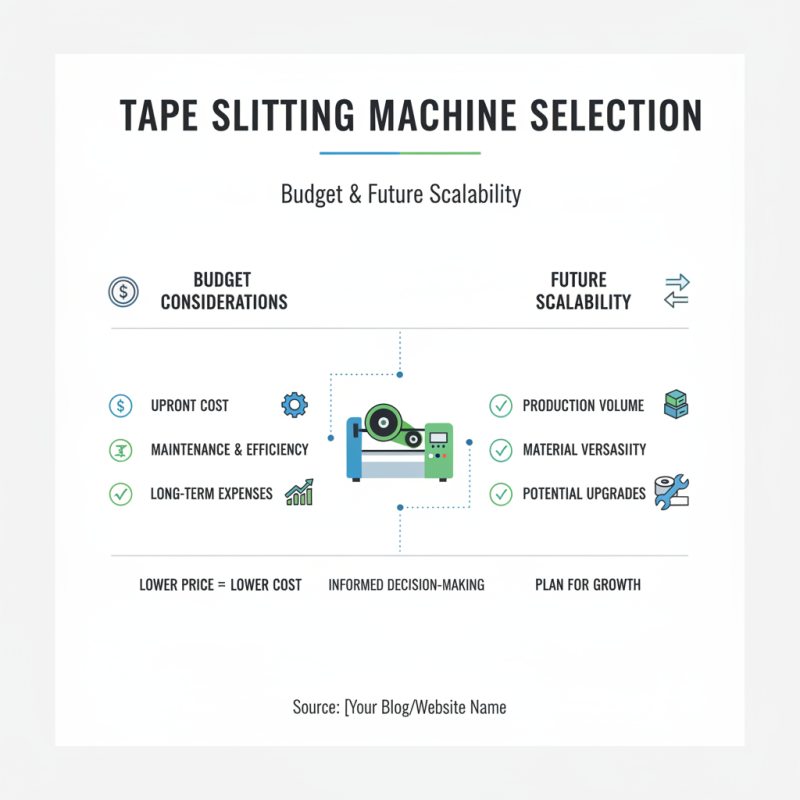
Consider the material types you'll be working with. Different tapes require various slitting techniques. Precision is key; an ill-suited machine may lead to wasted materials. It's essential to balance cost with functionality. Cheaper options might lack durability, affecting long-term investments.
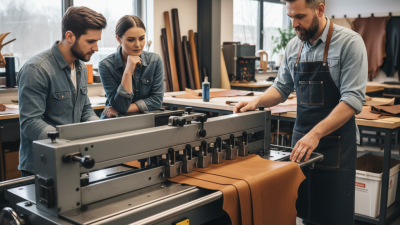
Moreover, user-friendliness cannot be overlooked. Complex machines can hinder operation efficiency. Training may be needed, leading to additional costs. Reflect on your production environment. Space constraints and maintenance should influence your decision. Selecting the right Tape Slitting Machine can be a challenging endeavor. A thorough evaluation of needs, capabilities, and potential challenges will lead to a more satisfying choice.
Types of Tape Slitting Machines and Their Applications
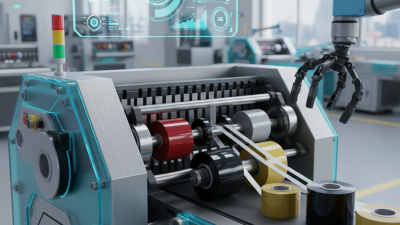
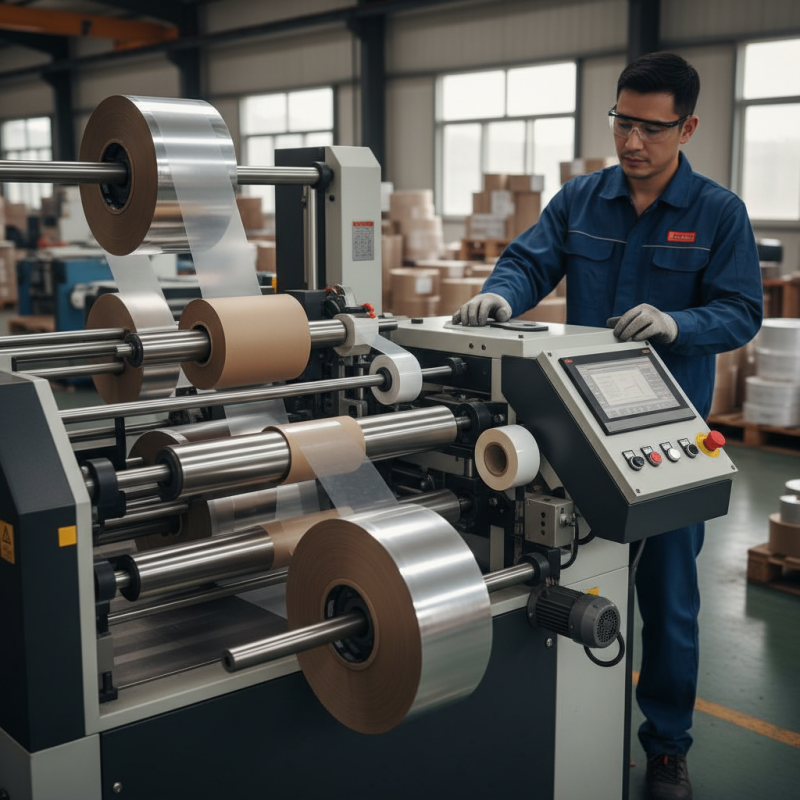
Tape slitting machines come in various types, each designed for specific applications. Understanding these variations is essential for selecting the right equipment. A common type is the automatic slitting machine, which is efficient for high-volume production. It can handle different widths and materials swiftly. This type is ideal for manufacturers who require precision and speed in their operations.
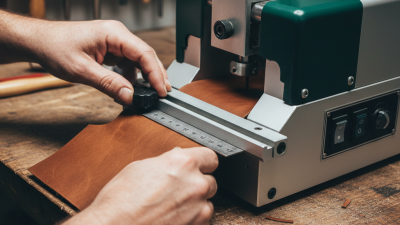
Another popular option is the manual slitting machine. It’s more affordable and allows for customization according to user needs. However, manual machines often require skilled operators for consistent performance. This could lead to variability if improperly handled. Users should assess their production capacity and skill level before choosing such equipment.
Rotary slitting machines are known for their versatility. They can slit a wide range of tape materials, from thin film to thicker substrates. The flexibility of this machine type makes it popular in industries like electronics and textiles. Nonetheless, operators must ensure proper calibration to maintain quality. Each type of tape slitting machine has its strengths and weaknesses, so careful consideration is vital.
Types of Tape Slitting Machines and Their Applications
Key Features to Consider When Selecting a Slitting Machine
Choosing the right tape slitting machine requires careful consideration of several key features. A critical aspect is the machine's cutting precision. Machines vary in their ability to achieve clean and accurate cuts. Evaluate the blade quality to ensure it meets your production standards. Dull blades can cause waste and inefficiency.
Another important feature is the machine’s speed and adaptability. The production environment can change frequently. A machine that operates at variable speeds can better accommodate these changes. Consider whether the slitter can handle different widths and materials, as this flexibility is essential for diverse projects.
Furthermore, ease of maintenance matters significantly. Machines that are hard to maintain can lead to increased downtime. Look for designs that allow easy access to blades and other components. While advanced features can enhance performance, they can also complicate operations. Balance is key here, as over-engineering can create challenges in everyday use. Assessing these elements thoughtfully can lead to a better purchasing decision.
How to Choose the Right Tape Slitting Machine for Your Needs? - Key Features to Consider When Selecting a Slitting Machine
| Feature |
Description |
Importance Level |
| Cutting Width |
The maximum width of material the machine can cut. |
High |
| Speed |
The operational speed of the machine measured in meters per minute. |
Medium |
| Core Size |
The internal diameter of the core on which the tape is wound. |
Medium |
| Slitting Tolerance |
The precision with which the machine can slit the material. |
High |
| Material Compatibility |
Types of materials the machine can handle (e.g., film, paper, foam). |
High |
| Automated Features |
Degree of automation in operation including loading and unloading. |
Medium |
| User Interface |
Ease of use, control panel design, and interface quality. |
Medium |
| Safety Features |
Safety mechanisms and standards that protect operators during use. |
High |
Assessing Production Volume and Speed Requirements
When assessing production volume for a tape slitting machine, consider your operational needs carefully. You need to gauge how many rolls you plan to produce daily. A higher production volume requires a more robust machine. For example, if your output targets exceed 500 rolls per day, you'll need a high-speed slitting machine. This could ensure you meet demand effectively.
Speed is another critical factor in your decision. Machines vary significantly in speed capabilities. Some can operate at speeds over 300 meters per minute, while others may struggle at rates below 100 meters. It's important to align machine speed with your production goals. Too fast, and you risk quality issues; too slow, and you may fall behind in meeting orders. Reflect on your historical data to guide your choice.
It's essential to find a balance between volume and speed. Look for machines that offer flexibility for adjustment. This will help you adapt to changing demands. Choosing the right machine means evaluating not just current needs but future possibilities. Consider how often you will need to make adjustments and if the machine can handle that.
Material Compatibility and Slitting Width Options
When selecting a tape slitting machine, compatibility with your materials is crucial. Different tapes have unique characteristics. Some are thicker, while others are more fragile. Ensuring the machine can handle various tape substrates is essential. Consider materials like PVC, polyester, or paper. Each requires specific cutting techniques.
Slitting width options further complicate the decision. You must determine the necessary width for your applications. Some operations might require narrow slits, while others need wider sections. A machine that can easily adjust the slitting width offers flexibility. This adaptability can save time and resources. If the chosen machine is too rigid, it can lead to inefficiencies.
Assess the machine's features regarding blade types and adjustments. Choosing a machine with easy blade replacement processes will enhance productivity. Additionally, the maintenance aspect matters. Machines that are difficult to maintain can become a hassle over time. Reflecting on these factors ensures you invest wisely in a machine that meets your specific needs.