Leave Your Message

7 Tips for Choosing a Slitter Rewinder Machine

Choosing a Slitter Rewinder Machine is more than comparing speed, price, and attractive specifications. In daily production, small design differences can affect roll quality, material waste, and operator confidence. A machine may look impressive on a showroom floor, yet perform poorly with thin film, coated paper, foil, or delicate laminates.

This guide shares seven practical tips based on common converting challenges and equipment evaluation experience. It considers web width, maximum roll diameter, slitting methods, tension control, rewinding accuracy, and automation. These details matter when a roll must leave the machine with smooth edges and consistent hardness. They also influence setup time and long-term maintenance.

Look closely.

Reliable selection requires evidence, not promises. Ask manufacturers for test results, reference installations, service response details, and clear information about replacement parts. A supplier’s technical support can become just as valuable as the machine itself during an urgent production issue. Safety systems, guarding, emergency stops, and operator access also deserve careful attention.

No machine fits every factory perfectly. That is worth admitting. A high-speed model may create unnecessary complexity for smaller production runs. Conversely, a cheaper machine can become expensive when waste, downtime, and manual adjustments increase. Consider actual materials, target customers, available floor space, and future capacity before deciding. The right Slitter Rewinder Machine should support stable production, not merely impressive numbers on a brochure.
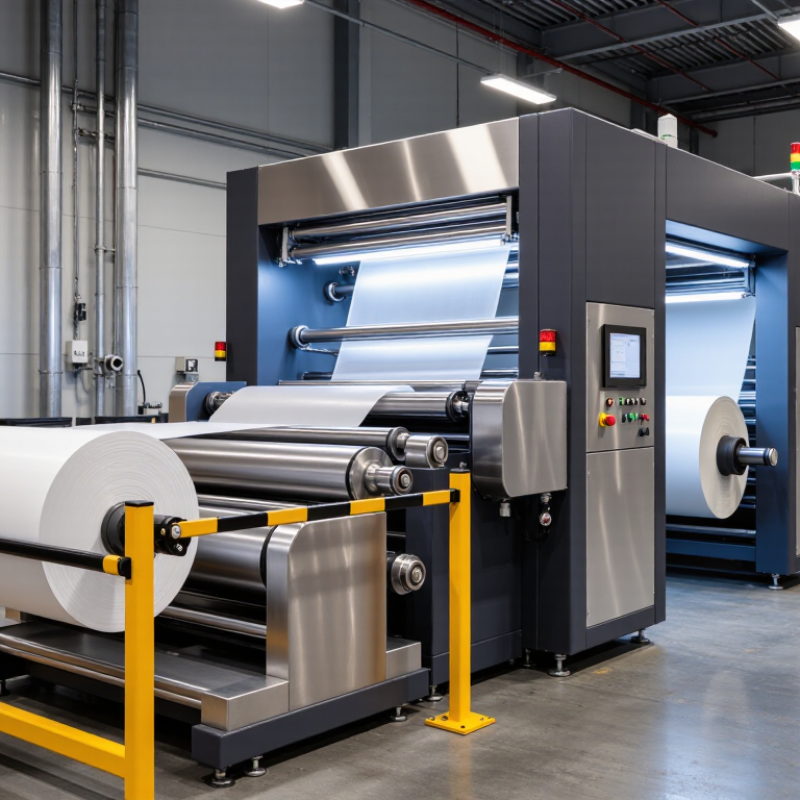
7 Tips for Choosing a Slitter Rewinder Machine

Define the Materials and Finished Roll Requirements

A slitter rewinder should match the material before it matches the budget.

Start by identifying the substrate, thickness, width, stretch, surface coating, and friction level. Paper behaves differently from plastic film, foil, laminates, and adhesive-backed webs. Record the incoming roll diameter and weight. Small differences can affect loading safety and machine performance.

Define the finished roll precisely. Specify the slit width, tolerance, core diameter, maximum outer diameter, roll weight, winding direction, and edge quality. Also describe the required tension range. Delicate film may wrinkle under excessive tension, while stiff material may telescope when tension is too low. The winding method matters too. Center winding, surface winding, and combination systems suit different products.

Do not rely on speed alone. A fast machine may produce poor rolls if it cannot control tension during acceleration and deceleration. Ask for sample trials using your actual material. Check roll hardness, trim waste, dust, static, and splice behavior. One overlooked detail is core strength. A weak core can deform even when the machine settings look correct. It is tempting to choose one machine for every product, but that assumption often creates avoidable compromises. Review real production changes, not ideal conditions. Your specifications may also be incomplete. Recheck them after operators inspect trial rolls and measure the finished product.
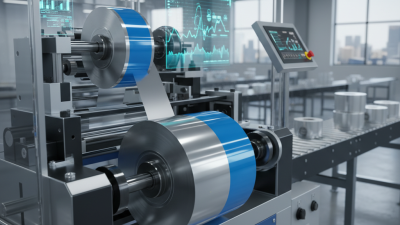
Match Machine Width, Speed, and Production Capacity

Choosing a slitter rewinder starts with matching machine width to your actual web range. A 1,600 mm machine may sound efficient, but it can waste material when most orders are 600 mm wide. Smithers’ The Future of Global Flexible Packaging to 2028 projects continued growth in flexible packaging demand, making format flexibility increasingly valuable. Measure your common roll widths, trim allowance, and largest future job before selecting the frame.

Speed must match production capacity, not just the headline number. A machine rated at 600 m/min may run closer to 350 m/min with thin film, adhesive labels, or frequent roll changes. PMMI’s 2024 industry reporting highlights automation and labor efficiency as major packaging priorities. Automatic tension control, quick knife positioning, and reliable splice handling can therefore matter more than maximum speed. Faster is not always better.

Calculate capacity from saleable output. Include setup time, inspection, core changes, cleaning, and rejected rolls. A practical estimate is: finished kilograms per hour × planned operating hours × realistic utilization. Many plants overlook downtime. I have seen specifications look excellent until changeovers reduced effective output below half the advertised rate. Leave room for growth, but avoid buying excessive width or speed that your orders cannot support. Review production records for three months, then compare them with the machine’s tested performance under similar materials.

7 Tips for Choosing a Slitter Rewinder Machine: Match Width, Speed, and Production Capacity

The chart shows representative non-brand planning benchmarks for matching web width with maximum slitting speed and estimated monthly production capacity. Actual output depends on material type, slit width, roll diameter, changeover time, and operating schedule.

As machine width increases, speed and potential output generally rise, but the best choice should be based on your material width, target throughput, required slit accuracy, and realistic utilization rate rather than maximum specifications alone.

Evaluate Slitting Methods and Rewinding Performance

Tip 1:

Evaluate the slitting method against your material, not just the machine’s speed. Razor slitting suits thin films and clean, precise cuts. Shear slitting handles many coated materials with less dust. Crush slitting may reduce setup time, but it can create rough edges or compression marks. Check a sample roll under working tension. Small defects often appear only after rewinding.

Tip 2:

Examine rewinding performance through tension control and roll structure. Ask how accurately the machine maintains tension from the first layer to the final diameter. Uneven tension can cause wrinkles, starring, or telescoping edges. Watch the rewind shaft during a trial run. The roll should feel firm without becoming excessively hard. I have seen attractive outer surfaces hide loose inner layers. That result requires honest review.

Tip 3:

Match the machine with your core sizes, web widths, and production changes. A practical setup should allow quick knife positioning and stable differential shaft operation. Check whether taper tension, lay-on pressure, and acceleration can be adjusted independently. These details affect roll hardness more than advertised speed. Inspect edge trim, dust, and roll alignment after several cycles. A machine that performs well for one film may struggle with another. Do not assume one setting fits everything. Trial data is more reliable than a brochure.

Check Automation, Safety Features, and Operating Convenience

7 Tips for Choosing a Slitter Rewinder Machine

Check Automation, Safety Features, and Operating Convenience

A practical evaluation starts with the control system. Choose a machine with clear HMI screens, stored recipes, and automatic tension control. Ask for a live demonstration, not only a brochure description. Watch how the system handles speed changes, roll diameter adjustments, and material thickness variations. Useful sensors should detect web breaks, misalignment, and abnormal tension quickly. Production data and fault records also help technicians identify repeated problems.

Safety must be visible and practical. Check guarded cutting areas, interlocked doors, emergency-stop buttons, and safe access around rotating shafts. The machine should stop predictably when a sensor detects danger. Ask how operators reset faults after an emergency stop. A confusing reset procedure can create unnecessary risk. Confirm that safety instructions are easy to read beside the operating area.

Operating convenience affects output more than many buyers expect. Look for tool-free adjustments, ergonomic roll handling, simple knife positioning, and accessible cleaning points. Observe one complete setup with the actual material. Can one trained operator load the core, enter the recipe, and remove the finished roll without awkward lifting? My own checklist is not perfect; operators often notice details engineers miss. Invite them to test the controls, lighting, noise level, and changeover time. A short trial may reveal inconvenient menus or slow manual steps that specifications never mention.

7 Tips for Choosing a Slitter Rewinder Machine - Check Automation, Safety Features, and Operating Convenience

No. Selection Dimension What to Check Practical Reference Point Why It Matters Priority
1 Material and Format Compatibility Confirm the machine is suitable for the actual substrate, including film, paper, foil, laminated material, coated stock, and other flexible webs. Review web width, thickness, roll diameter, core diameter, and finished roll weight. The usable width and thickness range should cover the current job mix with additional capacity for planned products. Core sizes commonly used in converting include 3 in and 6 in, but the exact requirement depends on the application. A machine outside the required range can cause wrinkles, telescoping, poor edge quality, or frequent changeovers. Critical
2 Automation and Control System Evaluate recipe storage, automatic tension control, automatic diameter calculation, motor synchronization, edge guiding, splice detection, alarm history, and production-data recording. A touch-screen HMI with stored job recipes can reduce repeated data entry. Closed-loop tension control is particularly useful when roll diameter and material properties change during winding. Automation improves repeatability, reduces setup variation, and helps operators maintain consistent roll quality. Critical
3 Slitting Accuracy and Winding Quality Check the knife configuration, razor or shear slitting capability, positioning accuracy, web alignment, lay-on control, winding hardness adjustment, and finished-roll inspection method. Ask for documented tolerance values under a defined material, width, speed, and roll-diameter condition. Quality should be assessed by edge cleanliness, roll hardness, winding alignment, and absence of wrinkles or air pockets. The cutting and winding system directly affects downstream processing, appearance, yield, and customer acceptance. Critical
4 Safety Features and Compliance Inspect guarding around rotating parts, interlocked access doors, emergency-stop devices, safe knife access, nip-point protection, safety relays, lockout provisions, warning labels, and risk-assessment documentation. Safety functions should be validated against the regulations applicable at the installation site. Emergency stops and interlocks should stop or inhibit hazardous motion as specified by the machine risk assessment. Slitter rewinders contain rotating shafts, knives, nip points, and stored mechanical energy; effective safeguards are essential for operator protection. Critical
5 Operating Convenience and Changeover Review core loading, shaft handling, knife adjustment, automatic or assisted roll unloading, access to cleaning points, HMI layout, tool requirements, and operator visibility. Compare changeover steps and time using the same job specification. Tool-free adjustments, guided setup screens, and ergonomic roll-handling equipment can reduce physical effort and downtime. Convenient operation supports higher availability, fewer setup errors, and safer handling of heavy rolls. High
6 Speed, Tension, and Energy Performance Assess rated line speed, stable low-speed operation, tension range, acceleration and deceleration control, motor efficiency, standby power use, and performance with the thinnest and most sensitive materials. Do not compare maximum speed alone. Request a witnessed trial at the planned production speed and verify tension stability, roll quality, and actual output during acceleration, steady running, and stopping. Stable process control is more valuable than a high nameplate speed that cannot be maintained on real production jobs. High
7 Maintenance, Support, and Total Cost Check access to wear parts, knife replacement, lubrication points, diagnostic functions, spare-parts availability, training, remote support, preventive-maintenance requirements, installation needs, and warranty terms. Request a recommended spare-parts list, maintenance schedule, training plan, utility requirements, and estimated cost of ownership over the expected service period. Purchase price is only one part of cost; downtime, consumables, labor, energy, training, and replacement parts affect long-term profitability. High
Evaluation note: Compare machines using the same substrate, web width, finished-roll diameter, core size, target tension, operating speed, and quality requirements. Request a production trial whenever possible.

Compare Supplier Support, Maintenance, and Total Cost

7 Tips for Choosing a Slitter Rewinder Machine

Tip 1: Compare supplier support before comparing machine prices.

Ask how quickly technicians respond during a tension fault or knife-change problem. A useful supplier offers installation guidance, operator training, clear manuals, and remote troubleshooting. Ask for response times in writing. Promises can become vague later.

Tip 2: Study maintenance requirements in real operating conditions.

Check access to blades, shafts, sensors, and pneumatic parts. Ask how often critical components need inspection. A machine that takes two hours to clean may create hidden labor costs every week. Request a spare-parts list with prices and delivery estimates. Local availability matters when production stops at 2 a.m.

Tip 3: Calculate total cost, not only the purchase price.

Include energy use, consumables, software updates, training, downtime, waste, and planned maintenance. Compare expected output with actual usable output. High speed is not valuable if web breaks increase scrap. This is often missed.

A practical evaluation should include sample materials, different roll widths, and several winding tensions. Ask the supplier to record changeover time and finished-roll quality. These tests reveal more than a polished demonstration.

A cheaper machine may fit the budget, yet expensive service delays can damage schedules and customer trust. I would also leave room for uncertainty. Production volumes change, operators make mistakes, and maintenance costs rarely stay exactly on the original estimate. Reliable documentation and transparent support reduce that risk.