How to Choose the Best Tape Slitting Machine for Your Needs?
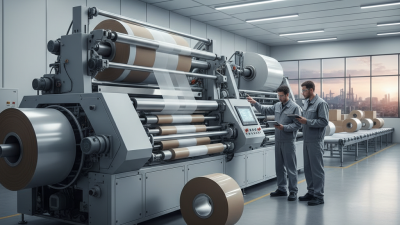
Choosing the right Tape Slitting Machine can significantly affect your production efficiency. In 2022, the global slitting machine market was valued at approximately $1.2 billion, with a projected growth rate of 5.3% annually. The rising demand for precision and speed in converting processes is driving this trend. Selecting the best machine involves understanding your specific needs, including material types and production volume.
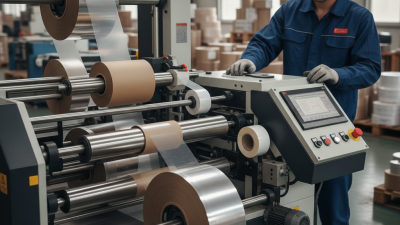
A Tape Slitting Machine is essential for businesses in various industries. These machines are not only crucial for producing clean and accurate tape rolls but also for ensuring minimal waste during the slitting process. According to industry experts, an optimized tape slitting system can reduce waste by up to 25%, highlighting the importance of making an informed choice. However, companies often face challenges, such as balancing cost and quality.
Evaluating features of tape slitting machines can feel overwhelming. Speed, blade quality, and ease of use vary significantly among models. New technologies are introduced regularly, and keeping up with these changes is vital. Selecting the wrong machine can lead to inefficiencies and increased operational costs. Therefore, thorough research and consultation with industry professionals are necessary to make a well-informed decision.
Factors to Consider When Selecting a Tape Slitting Machine
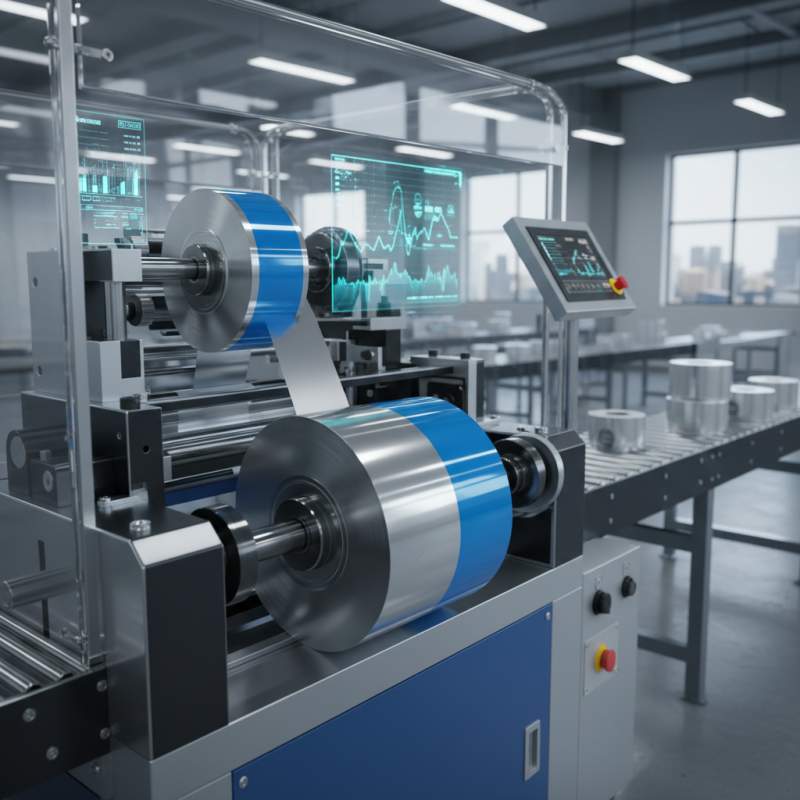
When selecting a tape slitting machine, several factors must be evaluated to ensure it meets specific production needs. One key consideration is the machine's width capabilities. Different projects demand varying tape widths. Confirm the range that aligns with your production requirements. Another important aspect is the material compatibility. Not all machines can handle every type of tape, such as PVC, paper, or polyester. Understand the materials you frequently use and choose a machine designed for them.
Speed and efficiency are also critical elements. Assess the slitting speed, as this impacts production timelines. A slower machine might hinder your workflow during high-demand periods. Additionally, think about the setup process. A more complicated setup might require longer training times. Evaluate if your team has the technical skills to operate and maintain the machine effectively.
Reliability is paramount. Look for machines known for stability in performance. Machines that frequently malfunction can lead to costly downtimes and wasted materials. You may also wish to consider after-sales support. Access to ongoing support and maintenance can provide peace of mind. All these factors are essential to ensure you make a well-informed decision when purchasing a tape slitting machine.
Understanding Different Types of Tape Slitting Machines Available
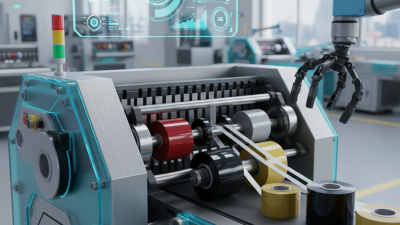
When selecting a tape slitting machine, it's crucial to understand the various types available. Common types include rotary slitter machines and cold knife slitters.
Rotary slitters are popular for their efficiency and precision, making them ideal for high-volume production. Their capability to handle a range of materials is beneficial for many industries.
On the other hand, cold knife slitters excel in cutting thicker materials. They provide clean cuts without excessively heating the tape, which can be a concern for sensitive materials. According to industry reports, companies investing in the right slitting technology can see productivity increase by as much as 30%. This gain is vital in a competitive market where minimizing waste and maximizing output are key.
However, not all machines suit every application. Users often report challenges with blade life and maintenance. Over time, the initial cost savings of a cheaper machine may lead to more frequent repairs and lower efficiency.
Reflecting on these aspects, it's important to evaluate long-term costs and not just upfront prices.
Making an informed choice based on clear needs can prevent costly mistakes later.
Evaluating Production Capacity and Speed of Slitting Machines
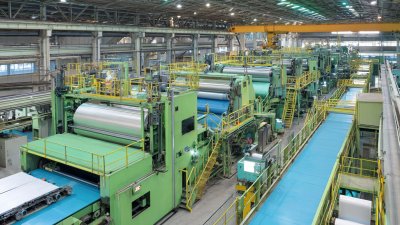
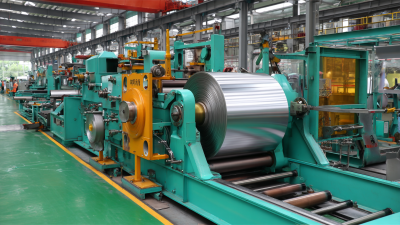
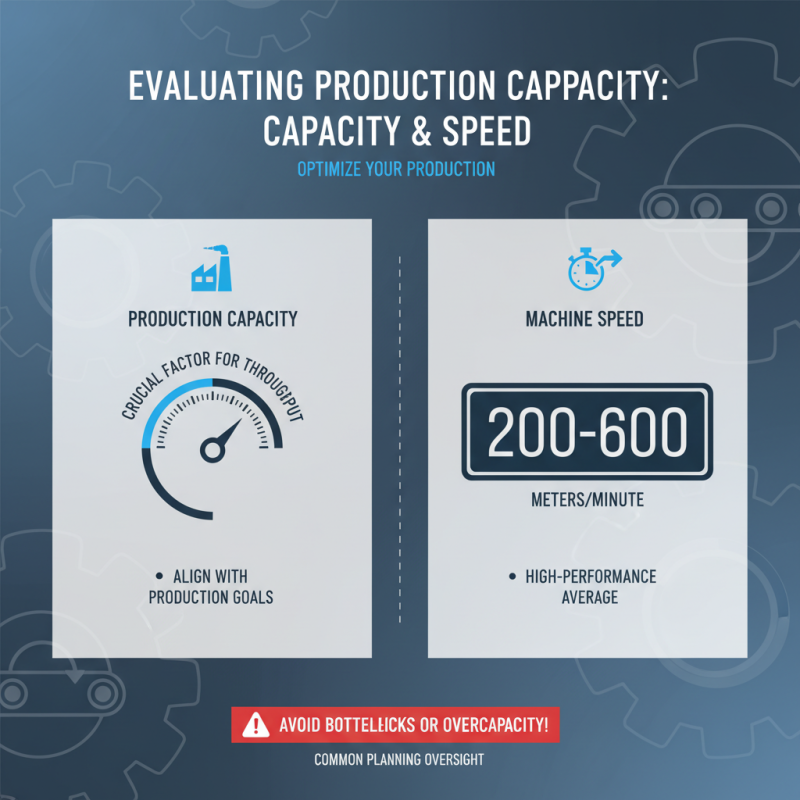
When assessing slitting machines, production capacity is a crucial factor. According to industry reports, the average speed of high-performance slitting machines ranges between 200 to 600 meters per minute. This speed directly affects throughput, making it essential to align your choice with your production goals. A mismatch can lead to bottlenecks or overcapacity, which is often overlooked in planning.
In addition, consider the machine's maximum spindle width. Machines that can handle wider materials allow for greater flexibility in production runs. However, managing multiple substrates increases complexity. According to a recent study, nearly 30% of manufacturers experience delays when their machinery cannot accommodate evolving material specifications. This shows that while capacity and speed are important, operational efficiency should also be evaluated. Careful consideration of these metrics can prevent costly setbacks.
Moreover, training staff on the selected system adds another layer of effectiveness. Skilled operators can maximize the productivity of these machines. Yet, many facilities underestimate the time and resources needed for this training. Tapping into the human element is just as vital as the technology itself. Balancing these factors ensures businesses can meet their production demands without sacrificing quality.
Analyzing Material Compatibility and Precision Requirements
When selecting a tape slitting machine, material compatibility is paramount. Different materials react differently during the slitting process. For instance, films, foils, and papers all have unique properties. A recent report from the Flexible Packaging Association noted that compatibility issues can lead to significant production downtime, costing companies an average of $15,000 per hour. Understanding the material's thickness, adhesive properties, and tensile strength helps in choosing the right machine.
Precision requirements also play a critical role in this decision. The tolerance that a slitting machine can achieve directly affects the final product’s quality. According to industry insights from the Converting Influence report, machines capable of achieving tolerances within ±0.5 mm are in high demand. Operators must consider whether a machine can maintain consistent precision under varying production speeds. Slitting machines that lack adequate tension control may produce inconsistent results, leading to waste. Investing in technology that offers better monitoring tools can mitigate these risks.
Both material compatibility and precision are often overlooked. Many operators underestimate their influence on production efficiency. Inadequate analysis can lead to costly misalignments. Companies should focus on understanding their unique requirements fully before making a decision. It’s essential to seek advice from experts in the field to ensure that they do not overspend on features that offer little return on investment.
Assessing Budget Constraints and Return on Investment in Slitting Equipment
When evaluating a tape slitting machine, budget constraints are often a key consideration. It's vital to remember that the cheapest option isn't necessarily the best. Look at your production needs closely. Assess the volume of material you plan to process. This will guide your investment level and expected return. Sometimes, spending more upfront can lead to higher efficiency and lower costs in the long run.
Calculating return on investment (ROI) should be a priority. Consider how quickly the machine can pay for itself. A machine that reduces labor costs or minimizes waste may offer significant savings. Additionally, think about maintenance costs. A less expensive machine may incur higher repairs over time. This balance is crucial for making an informed choice. Review specific features that can enhance productivity. Are you compromising quality for a lower price? Reflect on this aspect. Your investment should align with your business goals, ensuring maximum returns.