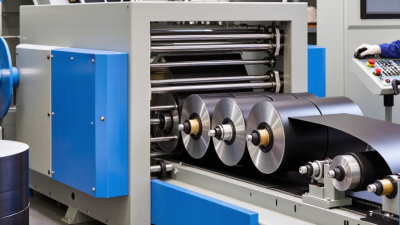
China Top 10 Conveyor Belt Cutting Machine Manufacturers
China has become a major sourcing destination for industrial cutting equipment. Its manufacturers serve conveyor production, warehouse maintenance, mining, recycling, and material handling operations. This introduction presents a practical overview of China’s top 10 Conveyor Belt Cutting Machine manufacturers. The selection considers manufacturing experience, technical capability, product consistency, and customer support.
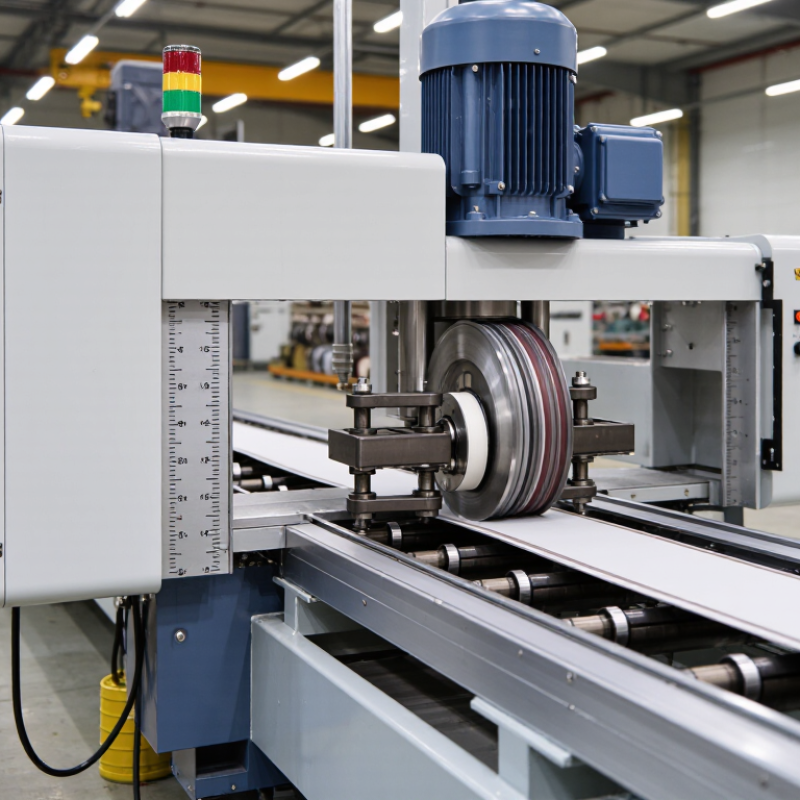
A reliable machine should cut rubber, PVC, PU, and layered belts accurately. It should also provide stable pressure, clean edges, and repeatable sizing. Key details include cutting width, blade design, motor performance, control systems, safety guards, and maintenance access. Small features matter. A clear scale can prevent costly errors during busy production shifts.
This overview also examines factory capacity, customization services, quality inspection, export experience, and after-sales communication. Evidence may include product documentation, workshop observations, customer feedback, and published technical specifications. These sources help separate experienced manufacturers from companies offering limited information. However, rankings are never completely objective. A supplier strong in heavy mining belts may not suit a small repair workshop. Product models, certifications, prices, and delivery conditions can also change over time.
That limitation matters.
Readers should verify current specifications before purchasing. They should request sample cuts, confirm replacement blade availability, and review warranty terms carefully. A dependable supplier should explain installation, operator training, and routine servicing in clear language. The companies discussed here are not judged by appearance alone. Their value depends on measurable performance, transparent communication, and practical results in real working environments.
What Is a Conveyor Belt Cutting Machine?
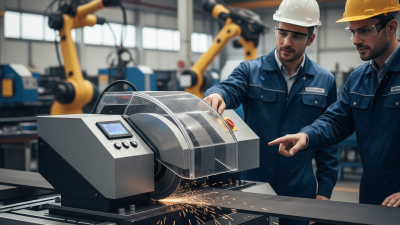
A conveyor belt cutting machine is equipment designed to divide rubber, PVC, fabric, or layered belt material into accurate sections. It uses a guided blade, cutting wheel, or hydraulic knife. The chosen method depends on belt thickness, reinforcement, width, and production volume. Unlike a hand knife, the machine controls cutting direction and pressure. This reduces uneven edges and unnecessary material waste.
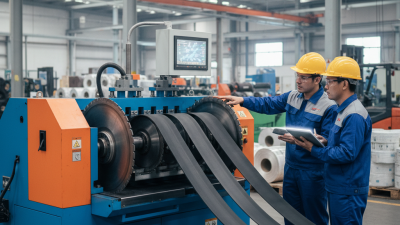
Most machines include a worktable, clamping system, measuring scale, and safety guard. The operator places the belt flat, removes dust, and checks the marked cutting line. A clamp holds the belt firmly before the blade moves across its surface. Clean alignment matters. Even a small angle can create installation problems at a conveyor joint. Technicians should also inspect blade sharpness and hydraulic pressure during routine use.
In manufacturing workshops, cutting machines support belt fabrication, repairs, sample preparation, and replacement work. Some models handle narrow strips, while others cut wide industrial belts with reinforced layers. Speed is useful, but it should not replace inspection. The process is not foolproof. A worn guide, poor lighting, or rushed measurement can still cause defects. Operators need training, protective equipment, and a clear maintenance record. Selecting among manufacturers in China requires checking cutting accuracy, service support, machine stability, and documented test results. Low price alone can become expensive when downtime or rejected material increases.
China Top 10 Conveyor Belt Cutting Machine Manufacturers - What Is a Conveyor Belt Cutting Machine?
A conveyor belt cutting machine is industrial equipment designed to cut, slit, or trim conveyor belts to a specified width, length, or shape. The table below provides a manufacturer-neutral technical reference for evaluating conveyor belt cutting equipment without listing company or brand information.
| No. |
Evaluation Dimension |
Typical Technical Data |
Applicable Belt or Operation |
Selection Consideration |
| 1 |
Machine Function |
Longitudinal slitting, cross-cutting, edge trimming, or profile cutting |
Flat conveyor belts and prepared belt sections |
Choose the machine according to whether the main task is width reduction, length cutting, or custom shaping. |
| 2 |
Compatible Belt Materials |
Rubber, PVC, PU, fabric-reinforced, and some thermoplastic belts |
Light-duty, medium-duty, and selected heavy-duty belt materials |
The blade, cutting force, and feed method must match the belt compound and reinforcement structure. |
| 3 |
Belt Width Capacity |
Common equipment ranges include approximately 300–3,000 mm; custom capacities are possible |
Narrow belts through wide industrial conveyor belts |
The usable cutting width should exceed the widest belt by a practical operating margin. |
| 4 |
Belt Thickness Capacity |
Typical machines handle approximately 1–30 mm, depending on construction and cutting method |
PVC and PU belts, rubber belts, and reinforced belts within rated capacity |
Always verify the maximum thickness for steel-cord, fabric, cleated, or multilayer belts. |
| 5 |
Cutting Accuracy |
Approximately ±0.5–2.0 mm under suitable material and operating conditions |
Slitting and repeat-length cutting |
Accuracy depends on belt elasticity, clamping, blade condition, alignment, and feed stability. |
| 6 |
Cutting Method |
Rotary knife, straight knife, guillotine blade, or powered shear system |
Different belt thicknesses, hardness levels, and production volumes |
Rotary systems support continuous slitting, while guillotine systems suit controlled cross-cutting. |
| 7 |
Drive and Control |
Manual, motorized, variable-speed, or PLC-controlled operation |
Repair workshops, fabrication lines, and higher-volume production |
Variable-speed control improves handling of elastic belts and helps reduce cutting distortion. |
| 8 |
Productivity |
Manual models: intermittent operation; powered systems: continuous or semi-automatic cutting |
Low-volume maintenance work to repeated belt preparation |
Throughput depends on belt thickness, cut length, operator handling, and setup time. |
| 9 |
Safety Features |
Blade guards, emergency-stop devices, clamps, interlocks, and protective covers |
All powered and manual cutting operations |
Safety equipment should prevent accidental blade contact and keep the belt fixed during cutting. |
| 10 |
Typical Applications |
Belt fabrication, replacement preparation, width adjustment, sample cutting, and maintenance |
Mining, logistics, packaging, food processing, manufacturing, and material handling |
Application conditions determine required cutting force, hygiene design, accuracy, and automation level. |
Note: Technical ranges are general reference values. Actual capacity and performance vary according to machine configuration, belt construction, blade design, and operating conditions.
Key Criteria for Evaluating Chinese Manufacturers
When evaluating Chinese conveyor belt cutting machine manufacturers, look beyond catalog photos and low quotations. A reliable supplier should explain cutting accuracy, blade life, belt thickness limits, and compatible materials. Ask for test records using your actual belt samples. A clean cut edge, stable clamping, and repeatable dimensions matter more than attractive machine paint.
Check manufacturing experience through factory videos, inspection reports, and technical documents. Confirm whether key parts are sourced consistently and whether electrical systems meet your market’s requirements. Request details about installation, operator training, spare parts, and response times. A serious manufacturer should provide measurable tolerances, not vague claims. However, documents can be incomplete. A live video inspection or independent factory audit may reveal practical issues, such as poor cable protection or crowded assembly areas.
Tips: Compare at least three quotations with identical specifications. Ask each supplier to cut a sample and record the result. Check noise, vibration, adjustment time, and emergency-stop performance. Do not judge reliability from one successful test. Repeat the test after continuous operation, because heat and blade wear can change the result. A supplier that admits limitations may deserve more trust than one promising perfection.
China’s Top 10 Conveyor Belt Cutting Machine Manufacturers
China’s Top 10 Conveyor Belt Cutting Machine Manufacturers represent a broad manufacturing field, from compact workshop suppliers to automated production specialists. This guide examines them through practical criteria: cutting accuracy, blade stability, belt width range, control systems, safety design, and after-sales support. In real purchasing work, a clean sample cut matters more than a polished catalog. Edges should remain square, with no melted rubber or uneven fabric layers. Small details matter.
The strongest manufacturers usually provide cutting solutions for rubber, PVC, fabric-reinforced, and multi-layer conveyor belts. Their machines may include hydraulic cutting, CNC positioning, adjustable pressure, and digital length control. Buyers should request test cuts using their own belt material. A machine that handles thin PVC may struggle with thick steel-cord belts. Factory audits can reveal assembly quality, spare-part storage, operator training, and inspection records. These points often predict long-term reliability better than brochures.
No ranking is perfect. A lower-cost machine may offer impressive accuracy but limited service coverage. Another supplier may provide excellent engineering but slower delivery. Buyers should compare warranty terms, response times, electrical standards, installation support, and maintenance access. Check the cutting tolerance repeatedly. Ask for documented test results, not only verbal promises. The best choice depends on belt thickness, daily workload, workshop space, and operator skill. Even experienced purchasers can overlook noise, dust collection, or blade replacement time. Practical testing remains essential.
Core Technologies and Machine Features Compared
China Top 10 Conveyor Belt Cutting Machine Manufacturers: Core Technologies and Machine Features Compared
China’s leading conveyor belt cutting machine manufacturers focus on accuracy, durability, and production efficiency. Their machines commonly use servo-driven positioning systems, hardened cutting tools, and programmable control panels. These features help operators produce consistent belt widths during repeated cutting cycles.
Accuracy matters.
Some models use hydraulic knives for thick rubber belts, while others use electric or pneumatic cutting systems. Hydraulic machines deliver strong force but may require more maintenance. Electric systems often provide cleaner control and lower operating noise. Pneumatic cutters can work quickly, although air pressure must remain stable.
A 20-millimeter belt may cut smoothly on one machine but distort on another.
Material testing is essential.
Safety features also separate dependable equipment from basic designs. Emergency stops, protective covers, dual-button activation, and overload protection reduce operational risks. Adjustable guides help prevent angled cuts, especially when handling wide belts reinforced with steel cords.
Digital counters and stored cutting programs can improve batch consistency. However, advertised precision may change under dust, vibration, or uneven belt tension. Buyers should request sample cuts, maintenance records, and measurable tolerance data before selecting equipment.
Even strong machines need trained operators and regular blade inspection.
No design performs perfectly in every workshop.
How to Select the Right Chinese Manufacturer
Selecting a Chinese conveyor belt cutting machine manufacturer requires more than comparing prices. Start with the belt materials, cutting width, thickness range, and daily output. A supplier should explain blade life, cutting accuracy, motor capacity, and emergency stop design in clear terms. Ask for a live video test using your own belt samples. Real material testing matters.
Inspect the factory’s production process, not only its showroom. Check whether technicians measure finished parts with calibrated tools. Request quality records, inspection photos, and a clear list of included components. Confirm the machine’s electrical standards match your installation site. Documentation should cover operation, maintenance, spare parts, and troubleshooting. Good support is measurable.
Speak with recent customers in similar industries, when possible. Ask about delivery accuracy, installation guidance, response times, and recurring faults. A low quotation may hide weak blades, limited training, or expensive replacement parts. No supplier is perfect. Even a capable manufacturer may miss a detail during customization. Put every specification into the contract, including tolerance, packaging, warranty terms, and acceptance testing. I would also order a small trial unit when the application is unfamiliar. This adds cost, but it exposes design problems before a larger purchase. A dependable manufacturer answers technical questions directly, admits limitations, and offers practical corrections instead of vague promises.
China Top 10 Conveyor Belt Cutting Machine Manufacturers - How to Select the Right Chinese Manufacturer
The chart presents a practical evaluation framework for comparing Chinese conveyor belt cutting machine manufacturers. The percentages are suggested procurement weights rather than rankings or company-specific performance data.
When selecting a manufacturer, give priority to cutting accuracy, production capacity, automation, material compatibility, safety compliance, and after-sales support. Validate each supplier through technical documentation, sample testing, factory audits, and service agreements.