China Best Belt Roll Cutting Machine for Efficient Production?
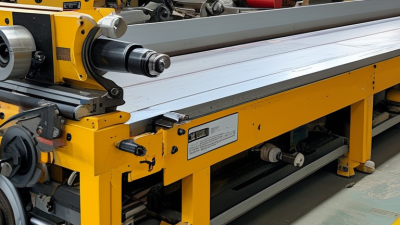
The demand for efficient production methods has led to increased interest in advanced machinery. Among these machines, the Belt Roll Cutting Machine stands out. This piece of equipment is designed to enhance workflow and improve cutting precision. Manufacturers in various industries recognize its potential.
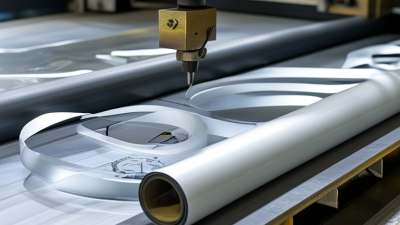
Efficient production relies significantly on reducing waste and optimizing resources. The Belt Roll Cutting Machine aims to address these challenges. It offers accuracy in cutting belt rolls, ensuring minimal material loss. Many companies are exploring its capabilities to stay competitive. However, some may overlook the importance of proper training and maintenance.
In the quest for efficiency, a Belt Roll Cutting Machine can transform production lines. It enables businesses to cut belts quickly and uniformly. Despite the advantages, operators must remain vigilant about operational protocols. Without adequate knowledge, the benefits of this machine might not be fully realized.
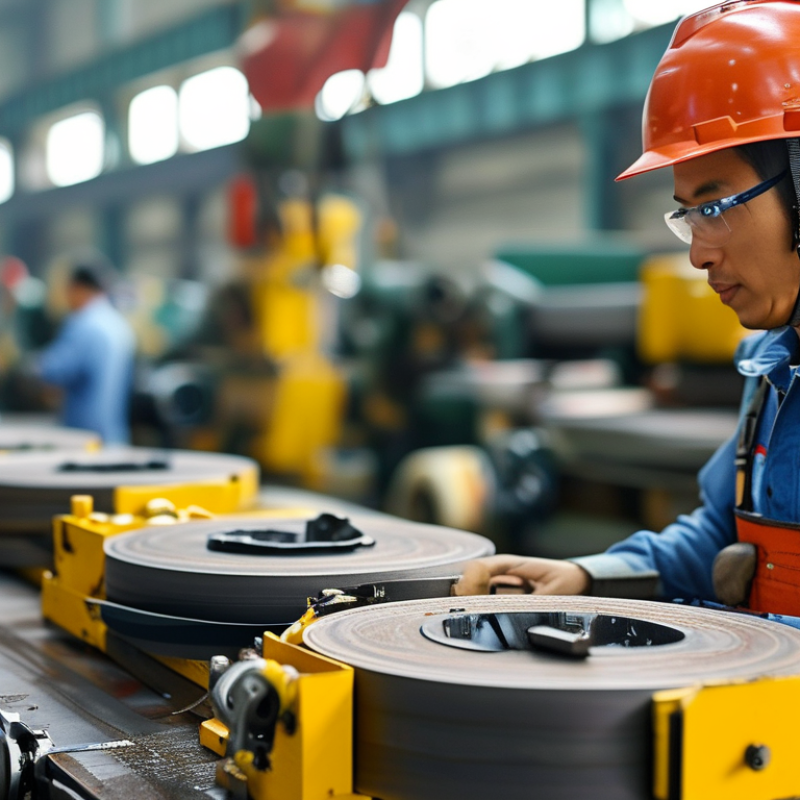
China's Belt Roll Cutting Machine: Overview of Advanced Technology
China's belt roll cutting machines are at the forefront of manufacturing technology. These machines utilize advanced features such as precision cutting and automated processes. Recent industry reports highlight a significant reduction in production time. For instance, efficiency improvements can reach up to 30% with modern machines compared to older versions. This shift not only boosts productivity but also reduces labor costs over time.
Tip: Regular maintenance of equipment can prolong machine lifespan and enhance performance. Operators should check for wear and tear to prevent unexpected breakdowns.
Advanced technology in these machines includes user-friendly interfaces and smart sensors. These features help in monitoring material flow and ensuring consistent cuts. According to recent data, companies adopting these technologies report higher accuracy levels, often surpassing 99%. Despite these advantages, challenges like initial investment costs remain a consideration for smaller businesses.
Tip: Assess your production volume before investing in new machines. A detailed cost-benefit analysis will provide clarity on the best options for your needs.
Key Features and Specifications of High-Performance Cutting Machines
When investing in a belt roll cutting machine, it’s vital to examine the key features. High-performance cutting machines often have adjustable cutting speeds. This allows users to customize operations for various materials. Precision is another important aspect. Many machines come with advanced guiding systems that ensure accurate cuts every time.
Additionally, the material of the cutting blade matters greatly. High-quality blades tend to last longer, maintaining sharpness over extended use. However, users must also be aware of the maintenance needs. Regular checks can prevent malfunctions and delays. A machine that requires too much upkeep might not be worth the investment.
Efficiency is a big selling point. Machines designed for rapid production can significantly reduce waste. Yet, users should consider the initial cost. A higher upfront investment could mean better long-term savings. In the end, it’s essential to balance features with practical needs. Flexibility and reliability are keys to maximizing productivity.
Industry Applications: Where Belt Roll Cutting Machines Excel
In the manufacturing sector, belt roll cutting machines play a crucial role across various industries. These machines are particularly effective in fabricating materials used in automotive, textiles, and packaging. According to recent market reports, the global demand for such machines is expected to grow at a CAGR of 5.2% from 2023 to 2028. This surge underscores their importance in streamlining production processes.
Automotive manufacturers, for instance, rely on belt roll cutting machines for precision cuts in rubber and other composite materials. The efficiency of these machines reduces waste during production, which is essential as the industry aims to minimize environmental impact. Textile sectors also benefit greatly. Accurate cutting leads to significant cost savings and improved material utilization. Unfortunately, not all machines deliver the same performance level. Issues like inconsistent cutting precision can arise, leading to increased material costs and project delays.
Packaging companies are increasingly investing in these cutting solutions. High-speed operations can enhance productivity. However, businesses must choose wisely. A poorly selected machine can hamper efficiency rather than improve it. Continuous adaptation and investment in technology remain vital as industries evolve.
Efficiency Metrics: Time and Cost Savings in Production Processes
The efficiency of production processes in the belt roll cutting industry is crucial. Companies seek machines that save time and cost. A well-designed cutting machine minimizes waste and maximizes output. This leads to significant savings for businesses, allowing for reinvestment in other areas.
Recent studies suggest that cutting machines can reduce production time by over 30%. Manufacturers are noticing a decrease in material waste as well. A machine that precisely cuts materials leads to fewer errors. This precision not only saves time but also enhances overall product quality. However, some operators report a learning curve.
Maintenance is another vital aspect. Regular upkeep can prevent downtime, which impacts productivity. While advanced machines offer efficiency, they also require skilled technicians. Training staff adequately can be a challenge for some companies. Despite these potential hurdles, the investment often pays off in enhanced efficiency and reduced costs.
Market Trends and Future Developments in Cutting Machine Technology
The cutting machine technology sector is rapidly evolving, driven by the demands of efficiency and precision. A recent report by MarketsandMarkets indicates that the global cutting machine market is projected to reach $7.2 billion by 2025, with a compound annual growth rate (CAGR) of 6.2%. This growth highlights the increasing reliance on advanced technologies in manufacturing processes, particularly in industries such as textiles and packaging.
Emerging trends show a significant shift towards automation and smart technology in cutting machines. For instance, the integration of IoT (Internet of Things) capabilities allows machines to provide real-time data analytics. This can enhance productivity by minimizing downtime. However, companies must also grapple with the challenges of adapting to new technologies. Many manufacturers are still using traditional systems, which can hinder efficiency and increase operational costs.
Moreover, sustainability is becoming a crucial focus. Organizations are exploring eco-friendly materials and processes, reflecting consumer demand for greener alternatives. According to a study by Grand View Research, 65% of manufacturers believe that sustainable practices lead to improved customer loyalty. Yet, achieving this balance between efficiency and environmental responsibility remains a complex task, urging continual innovation in cutting machine technology.
China Best Belt Roll Cutting Machine for Efficient Production
| Cutting Technology |
Efficiency (%) |
Production Rate (m/min) |
Market Share (%) |
Future Trends |
| Laser Cutting |
95 |
30 |
35 |
Increased Automation |
| Plasma Cutting |
90 |
25 |
25 |
Eco-friendly Solutions |
| Waterjet Cutting |
85 |
20 |
20 |
Material Innovation |
| Die Cutting |
88 |
15 |
10 |
Smart Manufacturing |
| Rotary Cutting |
92 |
18 |
10 |
Customized Solutions |