Top Electric Conveyor Belt Cutter for Efficient Cutting Solutions?
In today's fast-paced manufacturing environment, reducing downtime is crucial. The Electric Conveyor Belt Cutter stands out as a vital tool for enhancing productivity. Dr. James Turner, a leading expert in industrial automation, states, "Efficient cutting solutions drive the success of modern production lines." His insight underscores the importance of having reliable tools.
Electric Conveyor Belt Cutters offer precision and speed. They streamline the cutting process, minimizing waste and improving safety. Yet, many companies still rely on traditional methods, which can be slower and less efficient. This reliance can lead to increased costs and project delays.
Investing in an Electric Conveyor Belt Cutter isn't just about upgrading equipment. It’s about adopting a mindset focused on efficiency and innovation. The capabilities of these cutters can transform workflows. However, organizations must also consider the training and maintenance required to maximize their potential. Balancing these factors is essential for achieving optimal performance.
Overview of Electric Conveyor Belt Cutters
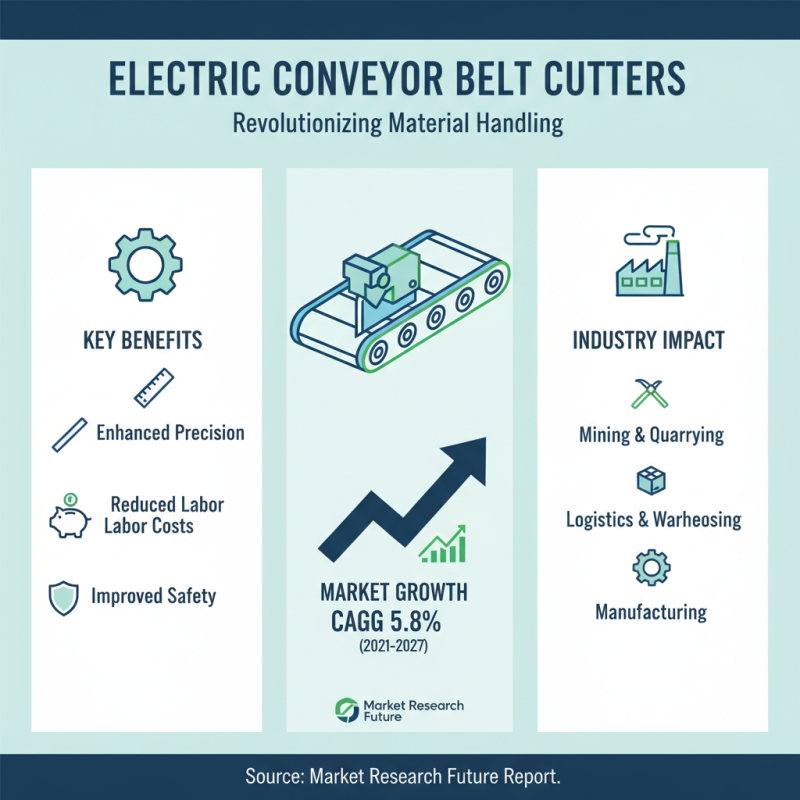
Electric conveyor belt cutters have revolutionized material handling in various industries. These tools enhance precision, reduce labor costs, and improve safety standards. According to a report by Market Research Future, the electric conveyor belt cutter market is projected to grow at a CAGR of 5.8% from 2021 to 2027. This statistic highlights the growing need for efficient cutting solutions.
These cutters often integrate advanced technology, ensuring faster and more accurate cuts compared to manual methods. An efficient electric conveyor belt cutter can reduce cutting time significantly. In many cases, it can perform tasks in a third of the time it takes with traditional tools. This speed not only increases productivity but also minimizes waste, addressing environmental concerns.
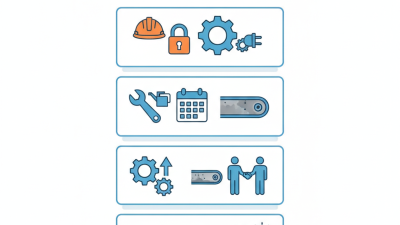
However, maintenance remains a significant challenge. Cutters require regular servicing to prevent breakdowns, which can halt production. Many users report that operational training is crucial; improper use can lead to accidents or damaged materials. Therefore, investing in staff training is essential for maximizing the benefits of these machines and ensuring safe operations. This aspect of implementation often gets overlooked, but it is key for successful integration in any material handling setup.
Key Features to Look for in Electric Conveyor Belt Cutters
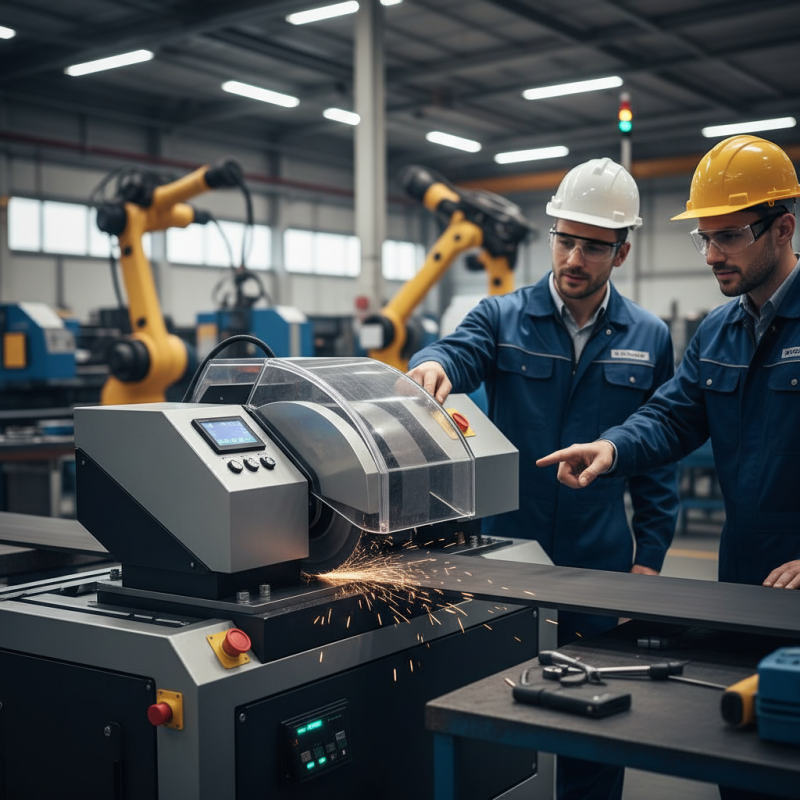
When selecting an electric conveyor belt cutter, there are key features to consider. First, the cutting efficiency is crucial. Look for adjustable cutting speeds, which can enhance precision for different materials. A powerful motor ensures that thicker belts can be sliced easily, reducing downtime during operations. Additionally, consider the blade type and design; they should be sharp and durable to withstand ongoing use without requiring frequent replacements.
Safety features are also paramount. Automatic shut-off functions protect users from accidental injuries. Ergonomic handles promote comfortable usage, especially during extended cutting sessions. It's beneficial if the device has a lightweight design for easy maneuverability. Furthermore, ensure that the cutter is compatible with a range of belt materials, as versatility can improve overall workflow.
Feedback from users is essential when assessing reliability. Some cutters may struggle with consistent performance or require frequent maintenance. Researching user reviews can provide insights into any lingering issues. Finding a balance between cost and functionality can be challenging. An expensive cutter does not always guarantee the best results. Evaluating features against your specific needs is vital for optimal purchasing decisions.
Top Electric Conveyor Belt Cutter for Efficient Cutting Solutions
| Model |
Cutting Speed (m/min) |
Blade Material |
Power (W) |
Weight (kg) |
Noise Level (dB) |
| Model A |
25 |
High-Speed Steel |
1500 |
12 |
78 |
| Model B |
30 |
Carbon Steel |
1200 |
15 |
80 |
| Model C |
20 |
Titanium Coated |
2000 |
10 |
75 |
| Model D |
28 |
Stainless Steel |
1800 |
14 |
82 |
Top Brands and Models of Electric Conveyor Belt Cutters
When it comes to selecting electric conveyor belt cutters, efficiency and precision are crucial. Industry reports suggest that using high-quality models can increase cutting speed by up to 50%. This significant improvement in productivity can greatly enhance operational workflows. Professionals often cite durability as a key characteristic when assessing performance. The right cutter should withstand heavy use without compromising effectiveness.
Several top brands in the market focus on ergonomic design and user safety. Featuring lightweight materials, they reduce operator fatigue during long tasks. Models equipped with automatic blade tensioning mechanisms also provide consistent results. Data indicates that these features can lead to a 30% reduction in maintenance costs over time. Users frequently express concern about noise levels, which can be a drawback in certain settings.
However, not all electric conveyor belt cutters are created equal. Some may struggle with thicker materials or require frequent blade replacements. This inconsistency can lead to delays and increased expenses. It’s essential to research and understand the specifications of each model. User experiences reveal the importance of thorough evaluations before making a purchase decision. Given the range of options, it's vital to find a balance between cost and functionality.
Advantages of Using Electric Conveyor Belt Cutters
Electric conveyor belt cutters offer significant advantages in various industries. They provide precise and efficient cutting solutions, streamlining production processes. Unlike manual methods, these tools can handle various materials without frequent adjustments. The ability to cut consistently improves the quality of the finished products. This reliability leads to decreased waste, saving both time and money.
Using electric cutters enhances worker safety. Manual cutting can pose risks of injuries. Electric models are designed to minimize these hazards with safety features. Operators can focus on their tasks rather than worrying about potential accidents. Moreover, these cutters can operate in a compact space, making them suitable for small workshops.
Despite the benefits, some challenges remain. Maintenance is crucial for optimal performance. Regular checks can prevent breakdowns, ensuring smooth operations. Workers need training to maximize efficiency and safety. So, while electric conveyor belt cutters are transformative tools, ongoing attention is required to harness their full potential.
Advantages of Using Electric Conveyor Belt Cutters
Applications and Industries Using Electric Conveyor Belt Cutters
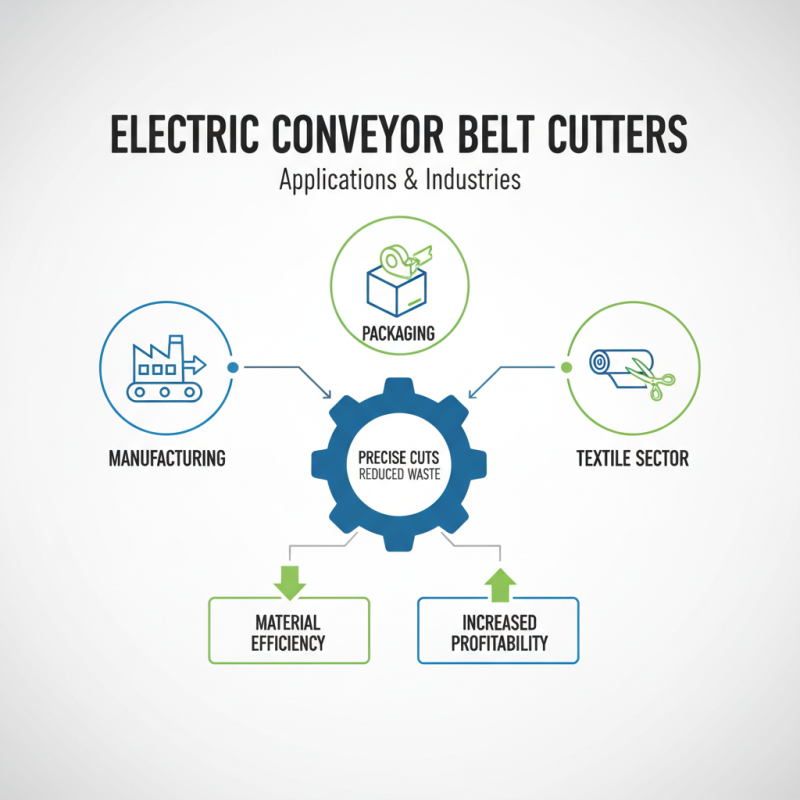
Electric conveyor belt cutters are widely used across various industries. Their applications range from manufacturing to packaging. For instance, in the textile sector, they enable precise cutting of fabrics. Accurate cuts help reduce material waste. This efficiency is crucial for maintaining profitability.
In food processing, these cutters ensure consistent portion sizes. They can slice meat, cheese, or bread with ease. The quick operation minimizes labor costs and increases throughput. However, ensuring hygiene during the cutting process remains a challenge. Regular maintenance and cleaning are essential to meet food safety standards.
Moreover, in the recycling industry, electric conveyor belt cutters play a critical role. They help in processing different materials, such as plastics and metals. This can lead to improved recycling rates. Yet, operators must be cautious about safety protocols. Unforeseen accidents can occur if proper procedures are not followed. Attention to detail is necessary for a safe and efficient operation.