Top 5 Slitter Rewinder Machine Features You Must Know?
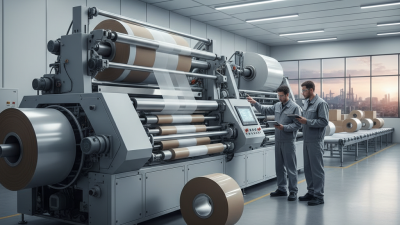
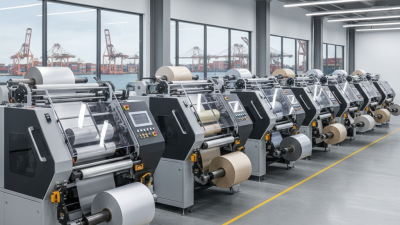
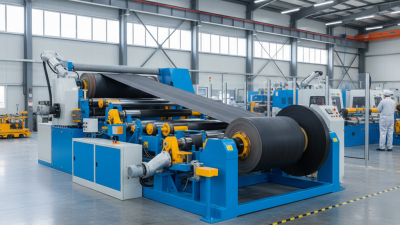
Understanding the features of a Slitter Rewinder Machine is crucial for manufacturers. This equipment plays a vital role in cutting large rolls of materials into smaller, more manageable sizes. It is used across different industries, such as packaging, printing, and textiles.
The efficiency of the Slitter Rewinder Machine can greatly impact production quality. Features like tension control, automation, and blade technology ensure precision and consistency. However, identifying the right machine requires careful consideration. Not all machines are created equal. Some may lack essential features, leading to inefficiencies.
Investing in a quality Slitter Rewinder Machine means understanding what you need. It’s essential to focus on features that enhance performance and reliability. This understanding allows businesses to optimize their production processes effectively. One must be reflective: does your current equipment meet industry demands? This article will explore the top features to consider when selecting a Slitter Rewinder Machine.
Key Features of Slitter Rewinder Machines: An Overview
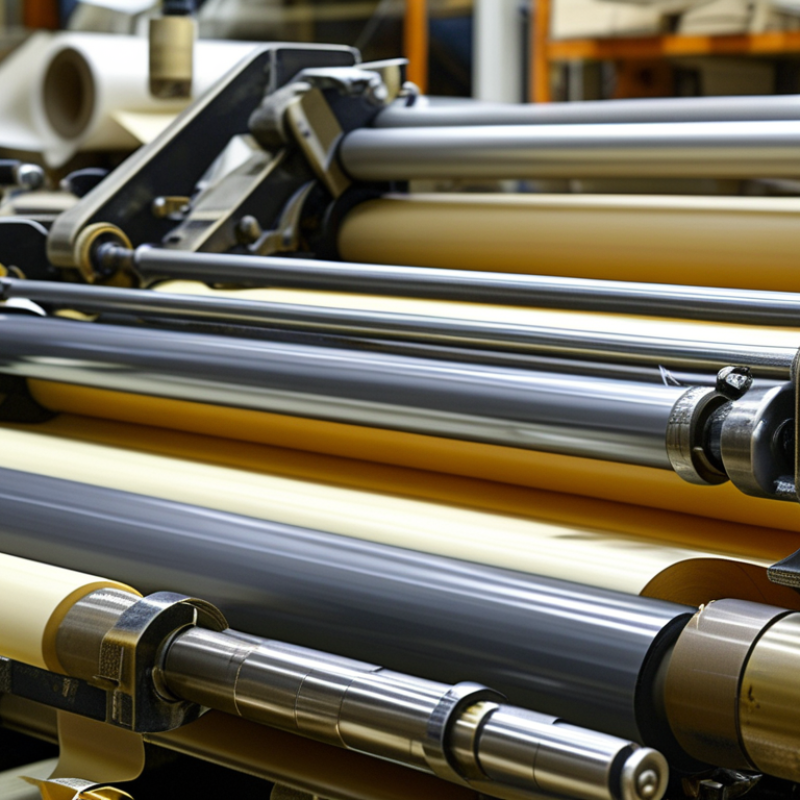
Slitter rewinder machines are critical in various industries, especially in converting processes. Their features play a significant role in operational efficiency and product quality. One essential aspect is the precision of the slitting process. High-precision slitting ensures uniform widths, which is vital for industries like textiles and packaging. Reports indicate that slitting inaccuracies can lead to material wastage of up to 5%. This has significant cost implications for manufacturers.
Another key feature is the speed of operation. Modern slitter rewinders can operate at speeds exceeding 600 meters per minute. This high throughput allows manufacturers to meet growing market demands efficiently. However, faster machines can lead to increased wear and tear, which could compromise quality if not managed properly. Regular maintenance is crucial to ensure optimal performance and avoid costly production downtimes.
The adaptability of slitter rewinder machines is also notable. They can handle various materials, including paper, film, and foil. Flexibility in changing slitting widths and core sizes is essential for maintaining competitiveness. Yet, the complexity of these adjustments can pose challenges. Operators may require comprehensive training to use these machines effectively. Investing in user-friendly controls could mitigate this issue, ensuring smooth operations despite varying production runs.
Understanding Blade Configuration and Cutting Precision
Blade configuration in slitter rewinder machines plays a crucial role in cutting precision. Different blade setups cater to various materials and thicknesses, impacting overall output quality. A proper blade angle can enhance cutting effectiveness and reduce wear. Regular maintenance and sharpening of the blades are key to sustained performance. Even a dull blade can lead to uneven cuts and increased waste.
Cutting precision is not solely determined by the blades. It also involves the machine's speed and alignment. Accurate feeding mechanisms ensure that the material moves consistently, reducing the chances of misalignment. Adjusting the tension of the material can also affect how cleanly it is cut. Operators must monitor these factors closely to ensure optimal performance. Despite the importance of precision, achieving perfect cuts can sometimes be elusive. Minor adjustments or external influences can lead to unexpected results.
Reflecting on blade configuration and cutting precision can provide valuable insights. It is essential to continually assess the cutting process and be ready to adapt. Understanding the material properties can further enhance decision-making. These steps ensure that the machine performs at its best and produces high-quality results.
Importance of Roll Handling and Tension Control Mechanisms
Effective roll handling is vital for the operation of slitter rewinder machines. Properly managed rolls can significantly reduce material waste. According to industry reports, up to 20% of material can be lost during rewinding due to improper tension. This highlights the need for precise tension control mechanisms. These systems ensure that rolls are consistently under the right amount of pressure.
Advanced slitting technology often incorporates tension control sensors. These sensors deliver real-time feedback to operators. This minimizes fluctuations that could cause defects in the final product. A well-tuned tension system can increase production efficiency by 15%. Operators must remain trained and vigilant, as mishandled rolls can lead to costly downtimes.
In addition to tension control, roll handling systems need to be robust. They must efficiently navigate different roll sizes and weights. Reports suggest that about 35% of machine downtime is linked to roll handling issues. Investing in ergonomic roll handling solutions not only improves safety but also ensures seamless operation. Observing these features can make a substantial difference in production quality and operational reliability.
Automation and Technology Enhancements in Slitter Rewinders
In today's manufacturing landscape, automation plays a critical role in slitter rewinder machines. Advanced controls and sensors allow for precise adjustments during the slitting process. This automation enhances production efficiency and reduces human error. Manufacturers can achieve higher accuracy with less supervision, leading to improved output quality. Yet, it is essential to note that reliance on automation can create vulnerabilities. Regular maintenance is crucial to avoid potential failures.
Technology enhancements extend beyond automation. Modern slitter rewinders now feature intuitive interfaces, making operation easier. Graphic displays guide operators through complex tasks, reducing training time. However, these advancements may outpace some workers' skills. Continuous training programs must keep staff updated on new technologies.
Moreover, integration capabilities have become vital. Modern machines can connect with existing production systems. This seamless connectivity facilitates data collection and analysis. While this can enhance decision-making, it can also generate an overwhelming amount of data. Companies need to develop strategies to leverage this information effectively. Balancing technological benefits with practical challenges is key to maximizing the potential of slitter rewinders.
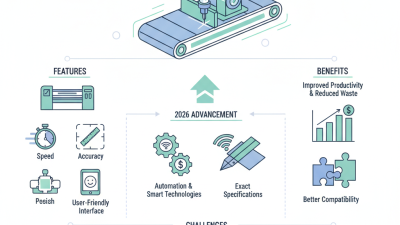
Top 5 Slitter Rewinder Machine Features You Must Know
| Feature |
Description |
Benefits |
Technology Used |
| High Precision Slitting |
Advanced blade technology to ensure accurate slitting. |
Minimizes waste and ensures consistent quality. |
Laser alignment systems and CNC interfaces. |
| Automatic Tension Control |
Continuous monitoring of material tension during slitting. |
Improves material handling and reduces defects. |
Load cell and PID control technologies. |
| User-Friendly Interface |
Intuitive touchscreen controls for easy operation. |
Reduces training time and enhances user experience. |
Graphic User Interface (GUI) software. |
| Compact Design |
Space-efficient layout without compromising performance. |
Maximizes floor space and operational efficiency. |
Modular design construction. |
| Real-Time Monitoring |
Continuous data tracking and analysis for operational insights. |
Facilitates predictive maintenance and reduces downtime. |
IoT and data analytics platforms. |
Maintenance and Durability Factors for Optimal Performance
When considering slitter rewinder machines, maintenance plays a crucial role in ensuring optimal performance. Regular inspections are vital. They help identify wear and tear before it escalates. For instance, checking the blade alignment can prevent costly production delays. Operators should also clean the machine consistently to avoid debris build-up, which can affect performance. Ignoring this can lead to unexpected downtime and impact production schedules.
Durability is another critical factor. Machines must withstand various environments and materials. A robust design can endure frequent use without degradation. Evaluate components for quality; inferior materials can compromise longevity. Furthermore, operators need training on proper usage. Misuse can lead to mechanical failures. It’s not uncommon for staff to overlook maintenance routines, leading to performance issues. Periodic training sessions can reinforce best practices. Regular evaluation of maintenance protocols may reveal areas for improvement, ensuring machinery remains efficient and reliable.