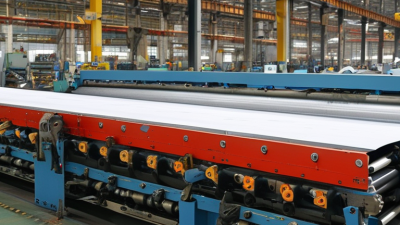
Choosing the right Conveyor Belt Slitting Machine begins with the material, not the price. Belt thickness, width, hardness, cover composition, and reinforcement all affect cutting performance. A machine designed for light rubber belts may struggle with thick steel-cord products. That mistake can cause uneven edges, excessive dust, and premature blade wear.
A practical evaluation should examine cutting width, blade adjustment, motor power, feeding method, and operator controls. Measure your widest belt and your most demanding material before comparing models. Check whether the machine supports repeatable slitting, because small width errors can create costly installation problems. Details matter. Ask for documented specifications, maintenance instructions, and test-cut evidence from the manufacturer. Reliable suppliers should explain blade materials, replacement procedures, guarding, emergency stops, and electrical requirements clearly.
Workshop conditions also deserve attention. A dusty floor, limited space, or inconsistent power supply can change machine performance. Leave enough room for belt handling and safe material movement. In real operations, convenience often matters as much as cutting speed. A fast machine is not useful if adjustments are difficult or training is unclear. No single model wins every job. That assumption fails.
Before purchasing, compare the machine with your production volume, available skills, and future belt sizes. Request a sample demonstration when possible. Observe the cut edge closely. It should remain clean, straight, and consistent across the belt. Review service availability and spare-part delivery times as well. A lower initial cost may become expensive after repeated downtime. Careful selection, verified performance, and honest reflection on daily workflow create a more dependable investment.
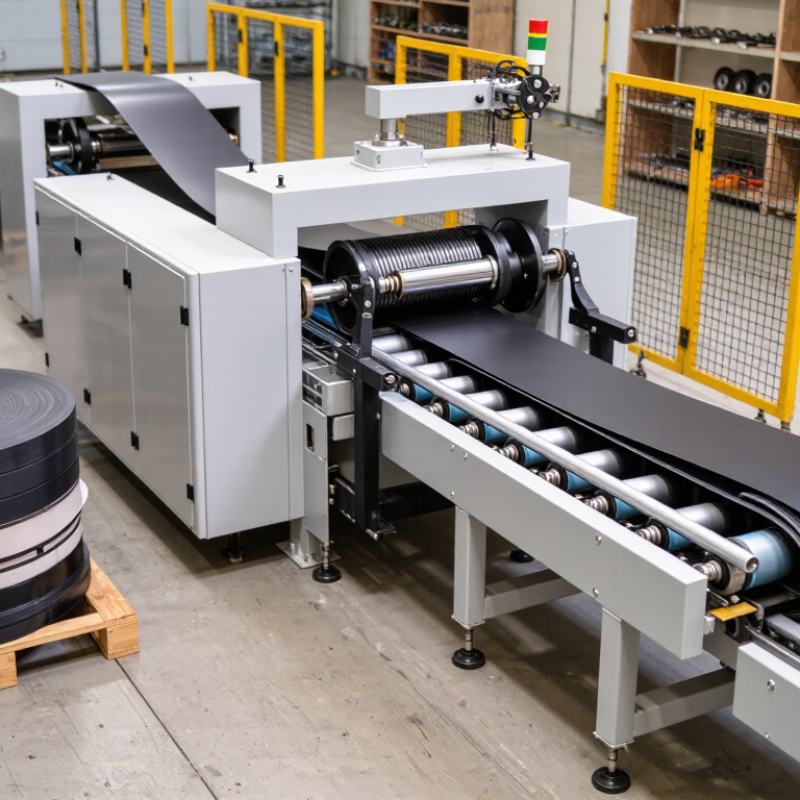
Choosing a conveyor belt slitting machine starts with understanding its functions, not its appearance. The machine cuts wide rolls into controlled widths for replacement belts, maintenance work, or production use. A reliable model should provide adjustable slit width, steady tension, clean edge control, and repeatable tracking. These functions matter when rubber, PVC, or reinforced belts pass beneath the blade.
Grand View Research reported that the global conveyor belt market was valued at about USD 5.6 billion in 2023, with continued growth expected through 2030. This expansion increases pressure on maintenance teams to process belts faster and reduce material waste. ISO 14890 also emphasizes consistent belt construction and suitable performance requirements. A machine with poor alignment can damage the belt edge. That problem is easy to underestimate.
Tips: Check the maximum roll width, belt thickness, cutting speed, and blade adjustment range. Ask for measured cutting accuracy, not vague claims. A wider machine is not always better. In practical workshops, simple tension control often improves results more than extra automation. Review emergency stops, guarding, and operator access before comparing capacity. Keep a test piece nearby. It reveals problems quickly. I would also inspect the cut edge under bright light; a rough edge may indicate incorrect pressure, blade wear, or unstable feeding. Performance reports can guide a purchase, but real workshop conditions should make the final decision.
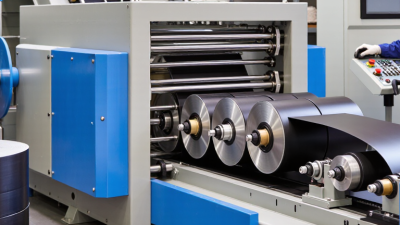
Choosing the right slitting machine starts with the belt, not the machine catalogue. Belt width, thickness, carcass material, and production volume determine the suitable type. A portable hydraulic slitter suits repair work and occasional cutting. A stationary automatic line fits wide belts and repeated production. A 2024 MarketsandMarkets report forecasts conveyor belt demand to grow by about 4% annually through 2029. More demand also means more variation in belt specifications.
Match the cutter to the belt’s construction. Fabric belts may need a controlled rotary blade, while steel-cord belts require stronger hydraulic power and precise tension control. Measure the belt before requesting a quotation. Record its width, thickness, tensile rating, cover rubber, and required strip tolerance. Grand View Research estimated the global conveyor belt market at more than USD 4 billion in 2023, with mining, logistics, and manufacturing as major users. That data suggests volume matters, but it does not replace a site trial. I would not choose a high-speed machine for low-volume maintenance work; the investment may simply sit idle.
Tips: Test a sample belt first. Check edge quality, cutting speed, blade replacement time, and operator access. Ask whether the machine handles skewed or slightly worn belts. A perfect specification sheet can still hide an awkward setup. Record the actual cutting result, not only the advertised tolerance.
Select the machine type according to belt construction, thickness, working width, and the required cutting consistency. The values below are typical planning ranges and should be verified against the actual belt and machine specifications.
Selection guide: Manual knife slitters are suitable for light-duty belts and occasional cutting. Powered rotary or blade slitters provide better consistency for medium-duty PVC, PU, and rubber belts. Heavy-duty longitudinal slitters are generally preferred for thick, reinforced, or steel-cord conveyor belts.
Choosing a conveyor belt slitting machine starts with measurable cutting capacity. Grand View Research’s 2024 conveyor belt market report forecasts industry growth at about 4.3% annually through 2030. This growth increases pressure on converters to process wider rolls, thicker materials, and more slit widths.
Check maximum belt width, thickness range, roll diameter, and blade count. Confirm whether the machine maintains speed under heavy tension. Accuracy matters more than advertised speed. A practical target is consistent width within your required tolerance, not simply a fast first cut.
Measure ten strips from one roll. Compare the first and last samples. Look for edge fraying, angled cuts, and heat marks. ISO 9001:2015 supports controlled inspection, but certification alone cannot guarantee cutting performance.
Tips: Test your actual belt samples before purchasing. Include rubber, PVC, polyurethane, fabric-reinforced, and steel-cord materials when relevant. Each behaves differently. Mordor Intelligence’s 2024 market analysis identifies material diversity as a major factor shaping conveyor equipment demand. Ask for repeatability records, blade-adjustment details, and tension-control data. A machine may cut cleanly in a showroom, then struggle with dusty or uneven rolls. I have seen specifications hide this weakness. That is worth questioning. Also inspect operator access, emergency controls, dust collection, and changeover time. A small setup delay can erase the benefit of higher cutting speed.
Choosing a conveyor belt slitting machine starts with safety, not advertised speed. In practical evaluations, I inspect guarding around the blade, access doors, and material entry points. Each door should stop the cutting cycle through a reliable interlock. Emergency stops must be reachable from both sides of the frame. Clear indicators help operators understand whether power, air, and blade motion are active. Small details count.
Automation should reduce decisions without hiding risk. Look for controlled tension, automatic width positioning, and sensors that detect belt skew or poor tracking. A programmable controller can store repeatable settings for common belt sizes. However, every saved recipe needs operator verification before cutting. A wrong width entered at the screen can waste an expensive roll within seconds. That happens. Prefer systems that require confirmation after adjustments and record alarms for later review.
Operating efficiency depends on stable cutting, quick changeovers, and accessible maintenance points. Measure setup time with a real roll, not an empty demonstration. Check how easily workers can replace blades, clean dust, and inspect rollers without reaching into hazardous areas. Good tension control limits uneven edges and reduces rework. Energy use, compressed-air demand, and idle behavior also affect long-term cost. I would test several speeds because the fastest setting may produce rough edges or more vibration. A machine that runs slightly slower, safely and consistently, often supports better output.
| Machine Configuration | Safety Features | Automation and Control | Operating Efficiency | Best-Fit Applications |
|---|---|---|---|---|
| Manual Slitting Machine | Emergency-stop buttons, fixed guarding around accessible cutting areas, and a lockable main isolator are recommended. Operators generally perform more manual setup and handling tasks. | Manual width adjustment and knife positioning. Basic controls may include start/stop push buttons and a simple speed control. |
Basic Typical setup time: approximately 15–30 minutes, depending on belt width and tooling. Output is strongly affected by operator experience. |
Low-volume work, occasional repairs, small workshops, and operations requiring a lower initial equipment cost. |
| Semi-Automatic Slitting Machine | Interlocked access doors, emergency stops, guarded knife assemblies, belt-presence sensing, and restart prevention after power interruption can reduce exposure to moving parts. | Motorized belt feeding and assisted knife positioning. A programmable controller may store repeat settings for common belt widths. |
Good Typical setup time: approximately 8–15 minutes. Consistent feed speed can reduce variation between operators. |
Maintenance departments and fabricators handling several belt sizes or moderate production volumes. |
| Automatic Slitting Machine | Fully enclosed cutting zones, safety-rated interlocks, emergency-stop circuits, overspeed or overload protection, and controlled access to the feeding and discharge areas are expected. | Servo or variable-frequency drive control, recipe storage, automatic width positioning, digital displays, and diagnostic alarms. Some systems support data logging. |
High Typical setup time: approximately 3–8 minutes for repeat jobs. Automated positioning improves repeatability and reduces non-cutting time. |
Regular production, multiple shifts, repeat orders, and operations where dimensional consistency is important. |
| CNC or Servo-Controlled Slitting Machine | Safety-rated control systems, monitored guards, dual-channel emergency-stop circuits, controlled torque, and programmable safe operating limits provide a higher level of risk control when correctly validated. | CNC or servo positioning, touchscreen recipes, automatic tool offsets, job recall, sensor feedback, and optional connection to production-monitoring systems. |
Very High Typical setup time: approximately 2–6 minutes for standardized jobs. Automated positioning can reduce material waste caused by manual measurement errors. |
High-volume production, narrow tolerance requirements, frequent job changes, and operations needing traceable process data. |
| Heavy-Duty Slitting Machine | Reinforced guarding, protected pinch points, emergency stops on both operator sides, overload protection, and a secure workholding system are important for heavy or rigid belts. | May use manual, semi-automatic, or automatic controls. Hydraulic or powered clamping can reduce manual handling during loading and alignment. |
Good to High Productivity depends on belt thickness, reinforcement type, cutting force, and loading equipment. Powered handling can reduce worker fatigue. |
Thick rubber conveyor belts, steel-cord belts, large belt rolls, and demanding maintenance or refurbishment environments. |
| Compact Workshop Slitter | Physical guarding, a stable base, emergency-stop access, blade protection, and clear operating instructions are essential. The compact footprint must not restrict safe access. | Usually manual or semi-automatic, with straightforward controls and limited recipe or data functions. |
Moderate Suitable for short runs and repair work. Compact machines can reduce material travel and floor-space requirements. |
Service centers, mobile maintenance facilities, small fabrication areas, and applications with limited throughput. |
| Continuous-Feed Production Slitter | Guarded infeed and outfeed zones, light curtains or presence sensing where appropriate, emergency stops along the line, and safe jam-clearing procedures are required. | Automatic feeding, tension control, synchronized cutting, speed regulation, length measurement, and optional integration with upstream or downstream equipment. |
High Reduces repeated loading and unloading. Actual throughput depends on belt construction, cut width, knife condition, and line speed limits. |
Long production runs, standardized belt materials, and facilities prioritizing high utilization and reduced handling time. |
Note: Performance figures are practical planning ranges rather than guaranteed specifications. Final selection should be based on belt width, thickness, reinforcement, required cut accuracy, production volume, available floor space, guarding requirements, and compliance with applicable workplace-safety regulations.
Selecting a conveyor belt slitting machine requires more than comparing cutting width and motor power. Maintenance access can decide whether production stays stable. Inspect the blade holder, shafts, bearings, and tensioning system before purchase. Each part should be reachable without removing half the machine.
Simple cleaning matters. Rubber dust often settles near guides and sensors. A slitter with open access can reduce cleaning time and inspection errors. Check how quickly operators can change blades, adjust widths, and verify alignment. Shorter changeovers can protect valuable production hours. They also reduce operator fatigue.
Installation costs are easy to underestimate. The machine may need a level floor, dedicated electrical supply, guarding, lifting equipment, and compressed air. Confirm these requirements before delivery. Leave enough space for material handling and service work. A crowded layout creates avoidable risks. Commissioning should include trial cuts, tension checks, emergency-stop testing, and operator training. Do not rely on a quick demonstration.
Total cost includes tooling, spare blades, energy, labor, freight, installation, and planned downtime. Ask for a maintenance schedule with realistic replacement intervals. A low purchase price can hide expensive consumables. I once focused too heavily on the initial quote and overlooked setup labor. That was a useful correction. Request service documentation, parts availability, and response times in writing. Small details often shape the machine’s long-term value.