Leave Your Message

China Top Leather Belt Cutting Machine Manufacturers?

Choosing among China’s top leather belt cutting machine manufacturers requires more than comparing catalog prices. A reliable supplier should understand belt production, material variation, and daily factory pressure. This article examines manufacturers through practical evidence, not attractive claims alone. It considers cutting accuracy, machine stability, after-sales support, customization, and export experience.

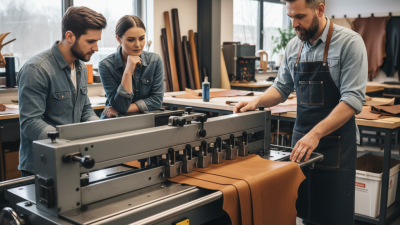
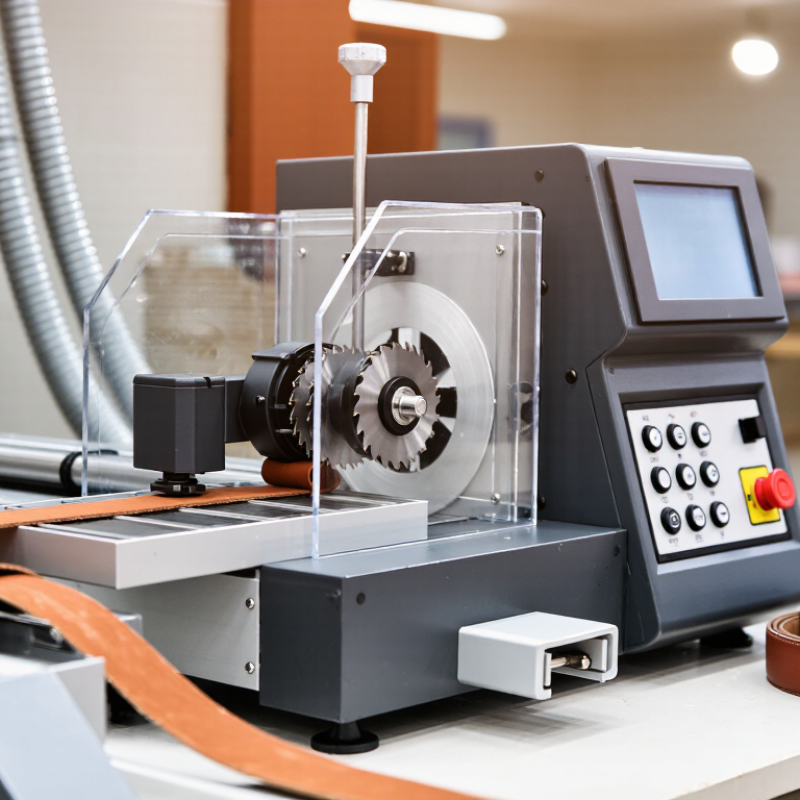
A capable Leather Belt Cutting Machine should produce clean edges across different leather thicknesses. It should also reduce material waste during repeated production. Buyers should inspect blade systems, feeding mechanisms, control interfaces, and emergency safety features. Factory videos can help, but direct testing is stronger evidence. Ask for sample cutting with your actual leather. Small details matter, including belt length tolerance, dust control, and operator access.

No supplier is perfect. That matters. Some manufacturers may offer advanced automation but limited technical support overseas. Others may provide responsive service yet lack flexible customization. This outline compares their strengths, limitations, production experience, and verification methods. It also explains how to assess certifications, spare-part availability, installation guidance, and customer feedback without relying on vague rankings. A careful buyer should request clear specifications, realistic delivery terms, and written warranty conditions. The best choice is not always the cheapest or most famous factory. It is the manufacturer that can repeatedly meet your quality requirements, communicate clearly, and improve when problems appear.
China Top Leather Belt Cutting Machine Manufacturers?

China’s Leather Belt Cutting Machine Market: 2024 Demand and Export Trends

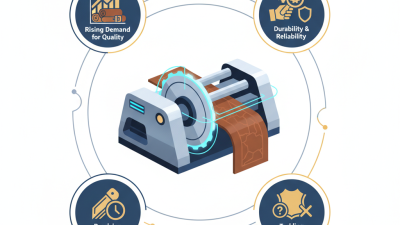
China’s leather belt cutting machine market strengthened in 2024, supported by steady demand from belt, handbag, footwear, and small leather-goods factories. Export inquiries increased across Southeast Asia, South Asia, the Middle East, and parts of Europe. Buyers usually seek stable cutting accuracy, lower material waste, and simple maintenance.

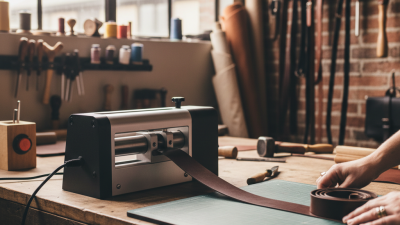
Manufacturers are responding with hydraulic, pneumatic, and CNC-assisted models. A practical machine can cut several belt blanks consistently, while adjustable dies support different widths and shapes. In production, blade sharpness matters as much as motor power. Poor alignment can leave rough edges, especially on thick vegetable-tanned leather.

Operators also value guarded cutting areas, clear controls, and accessible replacement parts.

Price remains important, but export buyers are checking total operating cost more carefully. Energy use, delivery time, training, and after-sales support can change the final investment. Customs data and supplier reports suggest continued export growth, although the available figures are not fully consistent. Some estimates combine complete machines with spare parts, which weakens direct comparisons. Demand may also slow if footwear orders fall or shipping costs rise. For manufacturers, reliable testing records, accurate specifications, and documented safety procedures are becoming stronger advantages than attractive quotations alone.
How CNC, Die, Laser, and Knife Cutting Technologies Differ

China Top Leather Belt Cutting Machine Manufacturers?

Choosing a leather belt cutting machine requires matching technology with material, volume, and design changes. CNC cutting uses a computer-controlled knife and handles varied belt shapes well. It reduces tooling costs and supports quick pattern adjustments. Die cutting is faster for repeated designs, especially with stable production orders. However, each new size may require another die. That cost is easy to underestimate.

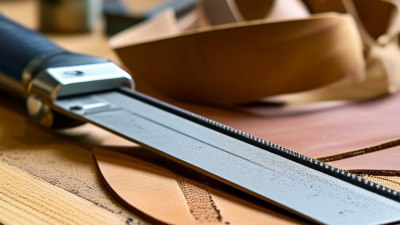
Laser cutting offers precise edges and detailed holes, but heat can darken vegetable-tanned leather or leave a slight odor. Strong extraction is essential. Knife cutting avoids heat and suits natural leather with sensitive finishes. It may produce softer edges, though blade wear can affect accuracy. In practical trials, a 3–4 mm belt blank may cut differently from a thin fashion strap. I would not trust catalog speed alone. Actual testing matters.

Tips: Send real leather samples. Check edge quality, nesting waste, noise, extraction, and operator training. Ask for repeated cuts, not one perfect sample.

Manufacturers in China should explain cutting force, table size, software compatibility, and maintenance access. Reliable suppliers document tolerance results and disclose limitations. Some machines look highly automated but still need careful manual loading. That is not necessarily a weakness. It becomes a problem when the workflow is unclear. A thoughtful buyer should compare total operating cost, not only the machine price.

Key Specifications: ±0.1 mm Accuracy, Cutting Speed, and Material Yield

China Top Leather Belt Cutting Machine Manufacturers?

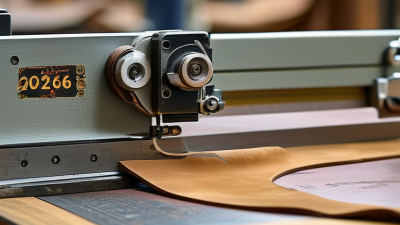
For leather belt production, ±0.1 mm accuracy is a practical buying benchmark, not a decorative number. It helps maintain consistent belt widths, buckle holes, and edge alignment. However, accuracy can change with hide thickness, surface tension, and blade wear. A factory trial matters more than a brochure claim.

Cutting speed should be measured with real belt layouts, not empty-table movement. The World Footwear Yearbook 2024 reported approximately 23.9 billion pairs of footwear produced globally in 2023. This scale shows why stable throughput matters. A suitable machine should record finished pieces per hour, setup time, and idle time. Faster is not always better. Excessive acceleration may create rough corners or misplaced holes.

Material yield deserves equal attention. According to Leather Naturally’s industry facts, leather remains a variable natural material, with scars, stretch marks, and uneven grain affecting usable area. Nesting software should leave narrow but safe gaps around defects. In production tests, compare usable belts per hide, scrap percentage, and re-cut frequency. A strong supplier should provide test samples, calibration records, and operator training. Some promised results may depend on ideal leather. That is the uncomfortable part. Buyers should request three material batches, repeat the ±0.1 mm test, and inspect every edge under normal workshop lighting.

Top Chinese Manufacturers: ISO 9001:2015, CE Compliance, and OEM Capacity

China Top Leather Belt Cutting Machine Manufacturers?

For leather belt production, a reliable manufacturer should provide more than a polished catalog. Look for ISO 9001:2015 certification and a traceable quality system. Ask how operators record blade changes, dimensional checks, and final inspections. A serious factory can show inspection samples, process records, and corrective actions. Small details matter.

CE compliance CE compliance should include clear technical documentation, risk assessment, safety labels, and an EU Declaration of Conformity. Check guarding around cutting areas, emergency stops, wiring quality, and noise information. Do not accept a certificate image without verification. Compliance is a process, not a decoration. I would also request a live video test using your leather thickness and belt width.

OEM capacity OEM capacity is equally important. Manufacturers with practical engineering experience can adjust feeding rollers, cutting dies, software settings, and table dimensions. They should support prototype testing before mass production. Ask for drawings, tolerance data, spare-parts lists, and English operating instructions.

A useful supplier also explains maintenance intervals and response times. My first specification was too vague once; the machine met it, but the result was not ideal. Clear samples prevent that mistake. A factory may promise flexibility, yet its workshop evidence should prove it. Look for stable welding, clean cable routing, labeled controls, and operators who answer technical questions directly.

How to Evaluate Suppliers: Warranty, Service, ROI, and Total Cost per Belt

China Top Leather Belt Cutting Machine Manufacturers?

When evaluating China-based leather belt cutting machine suppliers, start with the warranty details, not the headline price. A dependable warranty should state coverage for motors, control systems, cutting tools, and structural parts. Check its duration, response time, and exclusions. Ask how technical support works after installation. Can an engineer respond within one business day? Are spare blades available locally or only after international shipping? These details affect production more than a polished brochure.

Service quality becomes visible during testing. Send the supplier your actual leather samples, including uneven thickness and firm vegetable-tanned sections. Request cutting results, speed data, waste rates, and a short maintenance schedule. A practical supplier should explain blade adjustment, lubrication points, and operator training. Watch for vague promises. I have seen buyers accept remote support as sufficient, then lose several production days over a simple sensor fault.

ROI should be calculated from the total cost per belt. Include machine price, freight, installation, training, electricity, blades, labor, waste, and expected downtime. For example, saving two seconds per belt may matter little if material waste rises by three percent. Divide monthly operating costs by saleable belts, not attempted cuts. Ask for a twelve-month estimate using your production volume. Some figures will remain uncertain. That is normal, but unexplained assumptions deserve revision before signing.

How to Evaluate Leather Belt Cutting Machine Suppliers

The chart uses a 100-point benchmark scale to compare supplier proposals without showing company or brand names. Warranty coverage, service response, expected ROI, and total cost per belt should be verified in written quotations, production trials, and after-sales agreements.