How to Choose a Portable Water Well Drilling Rig for Your Needs?
Choosing the right Portable Water Well Drilling Rig is crucial for effective water sourcing. With the increasing demand for fresh water, more individuals and companies seek self-sufficiency. According to a recent industry report, the market for portable water well drilling rigs is expected to grow at a compound annual growth rate (CAGR) of 5.8% from 2022 to 2030. This growth reflects a significant shift towards sustainable practices.
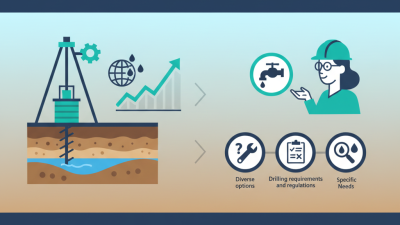
Understanding your specific needs is essential. Factors such as soil type, depth of water tables, and intended use can greatly influence your choice. For example, drilling through clay requires different equipment than drilling through sand. Market experts emphasize that not all rigs are suitable for every job. Choosing incorrectly could result in increased costs and operational delays.
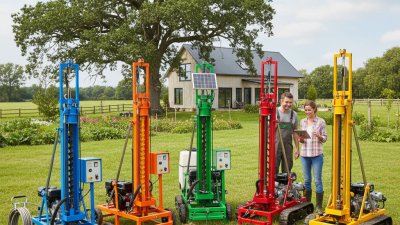
It’s also important to consider features like mobility, ease of setup, and efficiency. Some rigs may seem affordable but could lack durability. Reviews from users often highlight disappointments in performance versus expectations. Take the time to analyze user experiences and industry standards. By doing so, you can make a more educated decision about which Portable Water Well Drilling Rig best suits your specific requirements.
Understanding Portable Water Well Drilling Rigs: An Overview
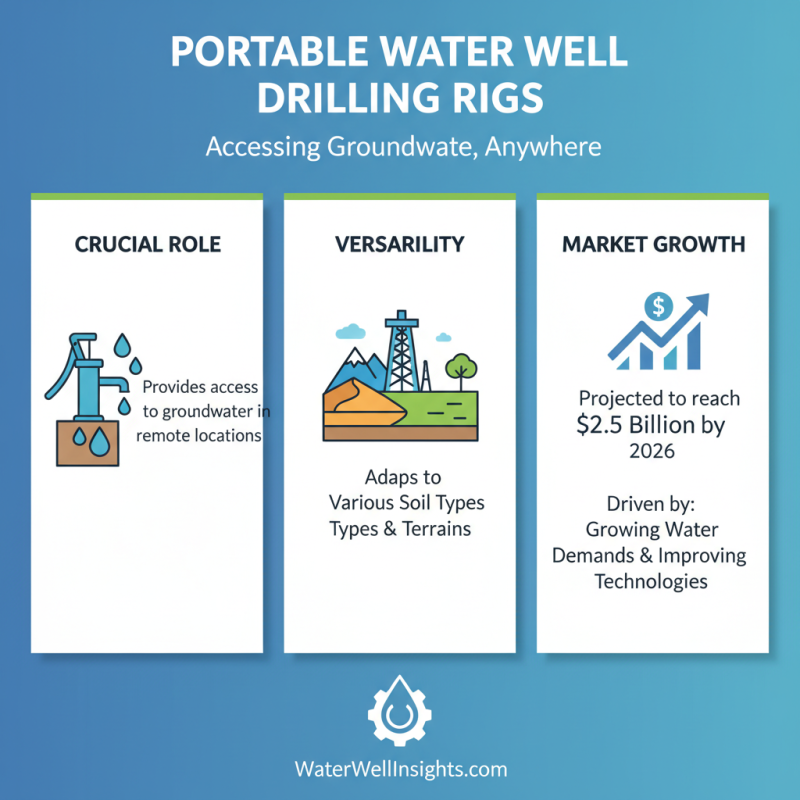
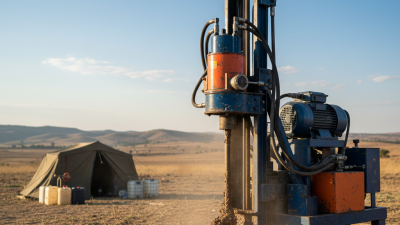
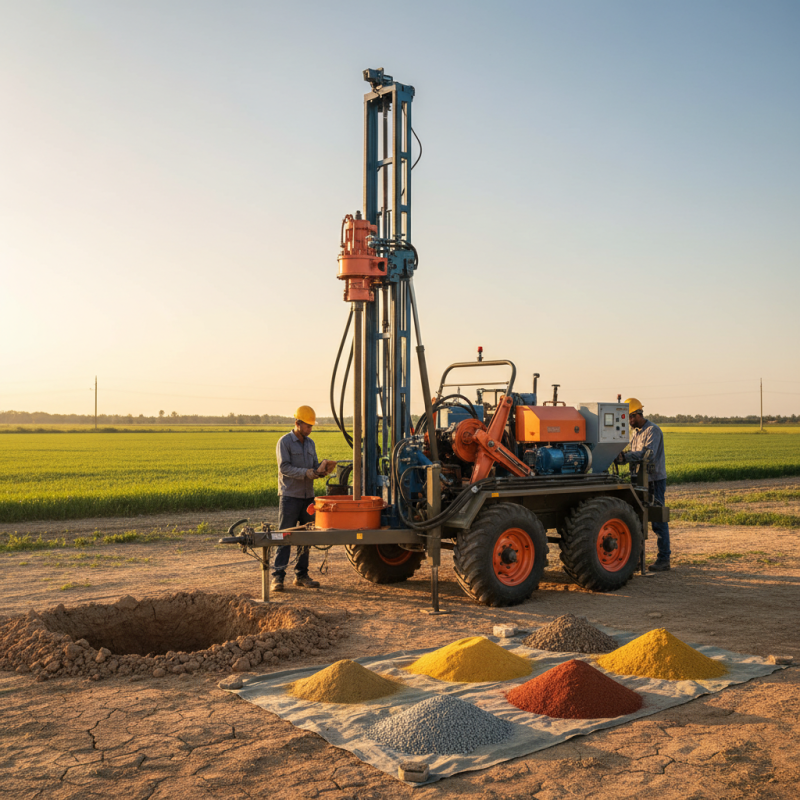
Portable water well drilling rigs play a crucial role in providing access to groundwater. They allow individuals and businesses to drill wells in remote locations. The versatility of these rigs is evident; they can easily adapt to various soil types and terrain. According to a recent industry report, the portable drilling rig market is expected to reach $2.5 billion by 2026, driven by growing water demands and improving technologies.
Understanding the specifications of these rigs is vital. Rig weight, drilling depth, and power source are critical factors to consider. For example, a lighter rig can maneuver more easily in tight spaces. However, this might mean sacrificing power or depth capacity. A 2022 analysis noted that about 40% of users prioritize ease of transport over drilling capabilities. Therefore, evaluating specific needs is essential for making the right choice.
Moreover, maintenance plays a significant role in the longevity of these rigs. Regular checks can prevent unexpected breakdowns, which may lead to project delays. According to data, approximately 30% of rig failures arise from inadequate maintenance practices. Being aware of these details is crucial for ensuring a successful drilling operation.
Key Specifications to Consider for Portable Water Well Drilling Rigs
When selecting a portable water well drilling rig, focus on key specifications that match your needs. Consider the rig's drilling depth capability. Rigs designed for shallow wells are more compact. If your site requires deeper drilling, look for rigs with enhanced depth capabilities. Weight also matters. A lighter rig is easier to transport but may sacrifice power.
Examine the power source. Diesel engines provide strong performance for challenging terrains. Electric options are quieter but may limit mobility in remote areas. Think about the drill type too. Rotational drills suit loose soil, while percussion rigs excel in rockier conditions.
Pay attention to the user manual and manufacturer support. Some rigs may lack clear instructions, leading to mistakes. Research user reviews to learn about common issues. Understanding these specifications helps avoid costly errors. Choosing the right rig is a balancing act. Proper equipment makes a significant difference in drilling efficiency.
How to Choose a Portable Water Well Drilling Rig for Your Needs? - Key Specifications to Consider for Portable Water Well Drilling Rigs
| Specification |
Details |
| Drilling Depth |
Up to 300 feet |
| Weight |
Between 2000 to 5000 lbs |
| Power Source |
Gasoline, Diesel, or Electric |
| Drilling Method |
Rotary, Percussion, or Auger |
| Rig Dimensions |
Variable, compact models available |
| Ease of Transport |
Trailer-mounted or skid-mounted options |
| User-Friendliness |
Simple control panels, easy setup |
Evaluating Drilling Depth and Diameter Requirements for Your Projects
When choosing a portable water well drilling rig, understanding your drilling depth and diameter requirements is crucial. Different projects require different specifications. For shallow wells, a rig that drills to a depth of 100 to 200 feet may suffice. However, deeper wells may require specialized rigs capable of reaching over 500 feet. Assessing the geology of your site can guide your decision.
Consider the diameter of the well. Most residential wells are around 4 to 6 inches in diameter. For larger projects, you may need a diameter of 8 inches or more. The size directly impacts the drilling rig needed. It is essential to gather detailed information about your site. Local geological surveys can provide insights about what to expect underground.
Tips for selecting a rig include evaluating soil and rock types in your area. Softer materials are easier to drill. Also, think about portability—if your project area is remote, choose a rig that is easy to transport. Lastly, assess your experience level. Some rigs are more user-friendly, while others may require technical skill. Choose wisely to avoid potential challenges during your drilling project.
Assessing Mobility and Setup Features for Enhanced Usability
When selecting a portable water well drilling rig, mobility and setup features are crucial. According to a recent industry report, over 70% of operators prefer rigs that can be transported easily, especially in rugged terrains. These rigs often come with a compact design, allowing them to fit in standard vehicles. This mobility is essential for projects in remote areas where access to water is limited.
Setup time is another critical factor. Research indicates that rigs designed for quick assembly can reduce labor costs by as much as 20%. Features such as integrated hydraulic systems and foldable components simplify the setup process. However, not all models are equally intuitive. Assessing user feedback reveals that some rigs require additional tools for assembly, which can complicate workflows.
It's also vital to evaluate the weight distribution and stability of the rig during operation. A well-balanced rig reduces the risk of accidents. Experience shows that rigs with adjustable feet can adapt to uneven ground, enhancing safety. Understanding these aspects can significantly impact the efficiency of the drilling process.
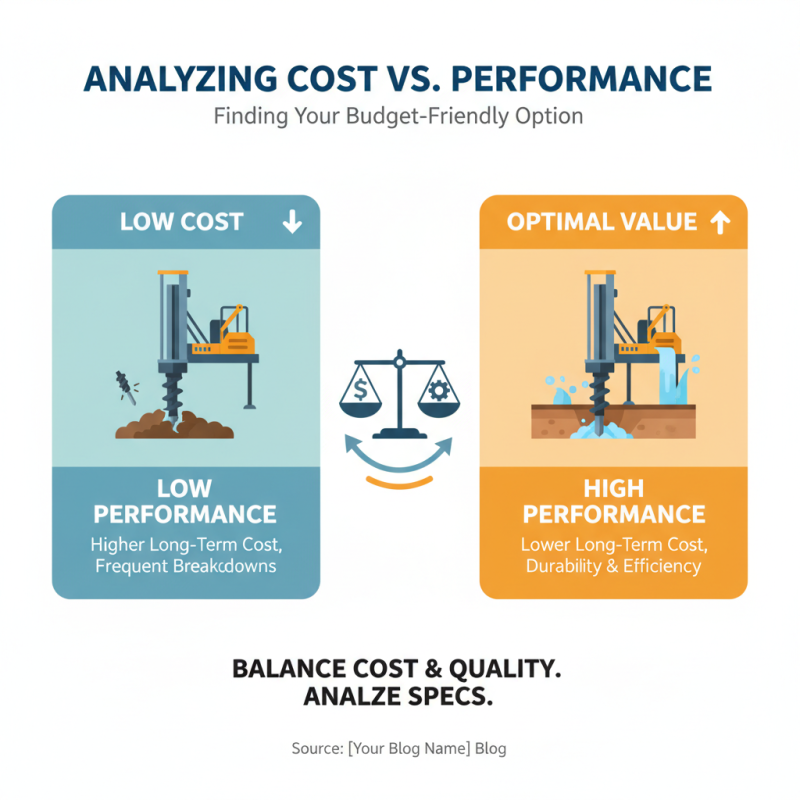
Analyzing Cost vs. Performance: Finding Your Budget-Friendly Option
When selecting a portable water well drilling rig, cost is a crucial factor. It can be tempting to prioritize affordability over performance. However, the balance between the two is essential. You might find a low-cost rig that performs poorly, leading to higher long-term expenses. It’s vital to analyze the specifications of each option closely. Efficiency and durability can make a significant difference in your overall investment.
Think about the projects you will tackle. Smaller rigs may be sufficient for personal use, while larger projects require robust equipment. It’s easy to overlook, but even minor features can impact performance significantly. For instance, the type of drill bits and motor power can vary widely across different models. This can affect both drilling speed and depth capability.
Your budget should reflect both your immediate needs and future goals. A cheaper rig may save money upfront but could lead to failures during use. Researching reviews and gathering feedback from experienced users can guide your decision. Consider asking questions about the rig's long-term reliability. A well-balanced choice can save you from costly repairs or replacements later on. Always keep performance in mind to avoid making a regrettable investment.