Leave Your Message

How to Choose the Best Electric Conveyor Belt Cutter

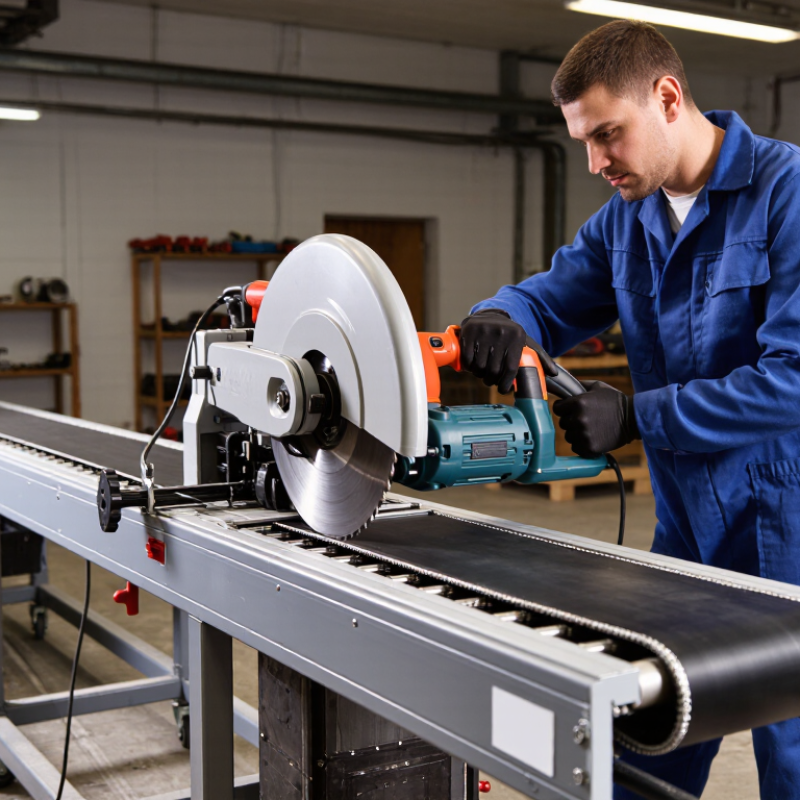
Choosing the right Electric Conveyor Belt Cutter is more than comparing motor power or purchase prices. In real maintenance environments, a cutter must match belt thickness, reinforcement, cutting frequency, and workplace conditions. A tool that performs well on a thin rubber belt may struggle with steel-cord reinforcement or produce uneven edges on thicker materials.

This guide examines the practical details that affect cutting performance. It considers blade design, cutting speed, handle comfort, power supply, safety features, and replacement-part availability. Small details matter. A stable guide rail can prevent drifting. A guarded blade can reduce accidental contact. A reliable motor can save time during urgent belt repairs.

There is no universal best model. That point is easy to overlook. Experienced technicians often choose differently because their belts, workspaces, and maintenance routines are not identical. A portable cutter may suit field repairs, while a heavier machine may provide better control in a workshop. Dust, moisture, limited lighting, and awkward working angles can also change the decision.

This article provides a clear framework for comparing models without relying only on marketing claims. It also highlights limitations, because even a well-designed cutter can require practice and careful setup. Before buying, users should verify technical specifications, operating instructions, and compatibility with their conveyor systems. A thoughtful choice improves cutting accuracy, reduces physical strain, and supports more dependable maintenance work.
How to Choose the Best Electric Conveyor Belt Cutter

Understanding Electric Conveyor Belt Cutters and Their Applications

Understanding electric conveyor belt cutters begins with the material, not the motor. A belt carrying abrasive ore needs more cutting force than a light packaging belt. The belt’s thickness, reinforcement, width, and installation space all matter. According to Fortune Business Insights, the global conveyor belt market reached about USD 5.85 billion in 2023. That growth reflects wider use in mining, logistics, agriculture, and manufacturing.

An electric cutter can reduce manual effort and produce a straighter cut. Look for adjustable depth control, guarded blades, stable clamping, and a handle that remains firm under pressure. OSHA machine-guarding guidance emphasizes preventing contact with moving components and controlling unexpected motion. That principle applies during maintenance, too. A cutter should remain steady on a dusty belt surface. Small design details matter.

Field maintenance teams often choose portable equipment for remote repairs. Fixed workshops may prefer heavier cutters with repeatable guides. Grand View Research identifies mining and material handling as major conveyor equipment applications, where downtime can become expensive quickly. Still, faster is not always better. Excessive speed can heat the blade, damage reinforcement, or create a rough edge. The awkward truth is that operator technique affects results as much as rated power. A trial cut on spare belt material is wise. It may feel unnecessary, but it exposes poor control before the real repair begins.
Assessing Belt Materials, Thickness, Width, and Cutting Requirements

How to Choose the Best Electric Conveyor Belt Cutter

Belt material determines the cutter’s first challenge. PVC and polyurethane belts usually cut cleanly with a sharp, controlled blade. Rubber belts create more drag and heat. Steel-cord belts require reinforced cutting systems, not ordinary workshop tools. ISO 14890 classifies conveyor belts by construction and application, so confirm the belt specification before choosing equipment. A 2024 Grand View Research assessment estimates steady global conveyor-belt growth, reflecting increasingly varied materials and cutting environments.

Thickness changes cutting force. A 3 mm food-processing belt needs different pressure from a 20 mm heavy-duty rubber belt. Measure the actual belt, including covers and textured surfaces. Do not rely on a supplier’s general label. CEMA’s Belt Conveyors for Bulk Materials, Seventh Edition, links belt width, tension, load, and operating conditions. Those relationships matter when selecting motor power and blade travel. A narrow belt may need a compact cutter, while a 2,000 mm belt demands stable alignment and a longer cutting path.

Cutting requirements should match the job, not only the machine’s rated capacity. Check straight cuts, angled cuts, splice preparation, daily volume, and available power. For steel-cord belts, verify cutting depth and blade wear with a qualified technician. Keep hands outside the cutting zone. OSHA machine-guarding guidance supports guarding moving parts and controlling unexpected starts. Small errors matter. I would test a short off-cut first, then inspect frayed edges, heat marks, and uneven penetration. The perfect setting is not always the fastest one.

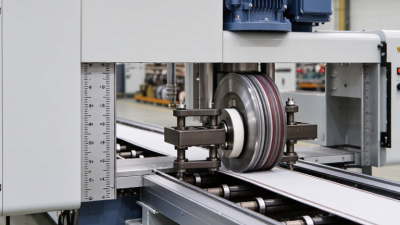
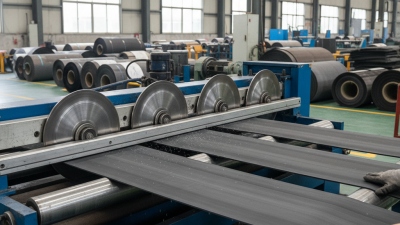
Belt material and construction determine the cutting method. Lightweight PVC and polyurethane belts are commonly thinner and can usually be handled with a manual or powered belt cutter. Rubber textile, solid-woven, and steel-cord belts are progressively thicker and require higher cutting force, greater blade durability, and stronger clamping. Always verify the belt manufacturer’s actual thickness, carcass construction, width, and splice requirements before selecting a cutter.

Comparing Blade Types, Motor Power, and Cutting Performance

How to Choose the Best Electric Conveyor Belt Cutter

Blade design strongly affects cutting quality. A serrated blade can grip thick rubber and layered fabric with less slipping. It often performs well on worn conveyor belts with uneven surfaces. A straight blade usually creates a cleaner edge on thinner belts. However, it may require steadier pressure and sharper maintenance. Oscillating blades can reduce heat buildup during longer cuts. They may also leave a slightly less polished edge.

Motor power should match belt thickness, density, and daily workload. A higher-power motor can maintain speed through reinforced layers. Excessive power, however, can increase vibration, weight, and operator fatigue. Check the cutter’s rated cutting depth instead of relying only on wattage. Battery models offer easier movement around large systems. Corded models usually provide steadier output during continuous work. That difference matters.

Cutting performance is more than speed. A reliable cutter should follow a straight line without forcing the operator sideways. Look for stable handles, balanced weight, and controlled blade movement. In practical use, I watch the cut edge after several passes. Frayed fabric, melted rubber, or drifting lines can reveal poor blade matching. I once chose a faster tool that overheated sooner than expected. That mistake changed my testing method. Now, I compare cut consistency, heat, vibration, and blade wear together. No cutter is perfect. The best choice fits the material, workload, and operator’s real technique.

Evaluating Safety Features, Portability, and Ease of Maintenance

How to Choose the Best Electric Conveyor Belt Cutter

Safety should lead the evaluation, not cutting speed. The U.S. Bureau of Labor Statistics recorded 5,283 fatal workplace injuries in 2023. This figure covers all industries, but it reinforces one point: small tools deserve serious controls.

Choose a cutter with a guarded blade, a stable handle, and an automatic shutoff. A trigger that requires continuous pressure can reduce accidental activation. Check whether the tool supports lockout procedures during blade changes. OSHA’s machine-guarding requirements emphasize preventing contact with moving parts. Portability matters, too. A lighter cutter reduces wrist strain, but excessive lightness may weaken control on thick belts. That trade-off needs testing. The UK HSE reported 604,000 non-fatal workplace injuries in 2023/24, showing why ergonomic design cannot be treated as decoration.

Tips: Test the cutter on your thickest belt sample. Keep the cable or battery clear of the work path. Inspect blade wear before every shift. Select tool-free blade access when possible, but confirm the guard still resets correctly. Clean rubber dust from vents and moving joints. Maintenance instructions should be readable at the job site. A monthly checklist helps, although monthly inspection alone may be insufficient in dusty environments. Record failed starts, overheating, and uneven cuts. These details often expose problems before a serious incident occurs.

Selecting the Best Cutter Based on Cost, Durability, and Workload

How to Choose the Best Electric Conveyor Belt Cutter

Selecting an electric conveyor belt cutter starts with cost, durability, and workload. A low purchase price can hide expensive downtime. Grand View Research’s 2024 conveyor belt market report forecasts steady growth through 2030, reflecting increased demand for reliable maintenance tools. That demand does not make every cutter suitable. Match the cutter to belt thickness, reinforcement type, cutting length, and daily usage. For occasional repairs, a compact model may offer better value. For continuous maintenance, choose a unit with a strong motor, replaceable blades, and thermal protection.

Durability depends on more than housing material. Check blade life, motor cooling, handle balance, and resistance to dust or moisture. The U.S. Bureau of Labor Statistics reported 2,607,900 nonfatal private-industry injury and illness cases in 2023. Safer handling matters, especially when cutting thick belts under time pressure. In field use, poor alignment often causes rough edges and repeated cuts. I have seen this waste more time than the original cutting operation. Still, published specifications can be overly optimistic. Test the cutter on your actual belt before a large purchase.

Tips: Record weekly cutting volume and average belt thickness. Compare total ownership cost, not only price. Ask about blade replacement time. Keep a spare blade available. A lighter tool may reduce fatigue, but it can struggle with reinforced belts. Choose the model that fits your real workload, not your best-case estimate.

How to Choose the Best Electric Conveyor Belt Cutter - Selecting the Best Cutter Based on Cost, Durability, and Workload

Cutter Category Typical Purchase Cost Recommended Belt Thickness Typical Cutting Speed Motor Power Range Expected Workload Durability Profile Best Application Value Assessment
Compact Electric Cutter Approximately US$300–700 Up to about 10 mm Approximately 5–10 m/min 0.25–0.55 kW Occasional or light-duty use Suitable for intermittent operation; components may wear faster under continuous use Small workshops, repair tasks, and low-volume belt maintenance Lowest entry cost when cutting frequency is limited
Portable Professional Cutter Approximately US$700–1,500 Up to about 15 mm Approximately 8–15 m/min 0.55–1.10 kW Regular maintenance and mobile service work Good balance of portability, reinforced construction, and serviceability Field repairs, installation contractors, and medium-volume operations Best overall balance for mixed workloads
Heavy-Duty Electric Cutter Approximately US$1,500–3,500 Up to about 25 mm Approximately 10–20 m/min 1.10–2.20 kW High-frequency industrial maintenance Designed for repeated cutting, thicker belts, and demanding working environments Mining, aggregates, logistics, and large material-handling facilities Strong long-term value where downtime is expensive
High-Capacity Production Cutter Approximately US$3,500–7,000+ About 25–40 mm, depending on belt construction Approximately 15–30 m/min 2.20–4.00 kW Continuous or near-continuous production work Highest structural strength and cooling capacity; requires disciplined maintenance Belt fabrication, large processing plants, and high-throughput service centers Best productivity for sustained heavy workloads
Battery-Powered Mobile Cutter Approximately US$900–2,500 Up to about 12–15 mm Approximately 5–12 m/min Battery-equivalent output commonly below 1.00 kW Remote, emergency, or location-sensitive service work Reduced cable wear; battery life and charging cycles limit extended operation Outdoor sites, elevated platforms, and areas without convenient power access Best mobility when access is more important than maximum throughput

Note: Figures are typical market ranges for electric conveyor belt cutters and vary according to belt construction, blade design, voltage, safety equipment, accessories, and regional pricing. Always verify the manufacturer's stated cutting capacity before purchase.