Top 10 Benefits of Rubber Belt Rewinder Machine for Businesses?
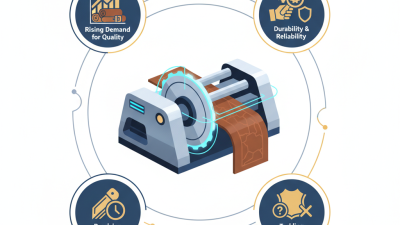
The Rubber Belt Rewinder Machine is an essential investment for modern businesses. It holds the potential to streamline operations, maximize efficiency, and reduce production costs. According to the latest industry reports, companies can save up to 30% on material costs by implementing this technology. This machine is particularly valuable in sectors like manufacturing and logistics, where belt wear can disrupt workflows.
Despite its benefits, some businesses overlook the importance of a rubber belt rewinder machine. This oversight can lead to increased downtime and higher maintenance costs. Research indicates that up to 20% of operational expenses stem from equipment inefficiencies. Investing in a durable and efficient rewinder machine can fundamentally change this scenario, ensuring consistent production quality.
Moreover, the adaptability of a Rubber Belt Rewinder Machine to various belt types adds to its appeal. Organizations that embrace this technology can achieve greater flexibility in their operations. However, companies must remain vigilant. Regular maintenance is crucial to avoid hiccups that may affect productivity. The long-term benefits far outweigh initial concerns, making this machinery a worthy consideration for forward-thinking businesses.
Overview of Rubber Belt Rewinder Machines in Modern Industries
Rubber belt rewinder machines play a crucial role in modern industries. They are designed to handle, unwind, and rewind rubber belts with efficiency. These machines streamline the production process, reducing manual labor and the risk of injury. Their automatic features ensure consistent tension and alignment, which is vital for high-quality output. The technology employed in these machines helps in maintaining precision during production, catering to diverse industrial needs.
Moreover, the use of rubber belt rewinders significantly minimizes waste. Business operations can maximize material usage by reducing excess scraps. This efficient approach not only cuts costs but also supports sustainable practices. However, some businesses may hesitate to adopt this technology due to initial investment concerns. As industries evolve, those who invest in such machinery often see impressive returns over time.
The integration of these machines can be seen in various sectors, including manufacturing and logistics. Their versatility allows for adaptation to different production environments. Some companies may still find the transition challenging. Training staff and ensuring a smooth workflow with new systems can take time. Overall, the potential benefits of rubber belt rewinder machines are substantial, and they continue to shape the efficiency of modern industries.
Efficiency Improvements Offered by Rubber Belt Rewinder Machines
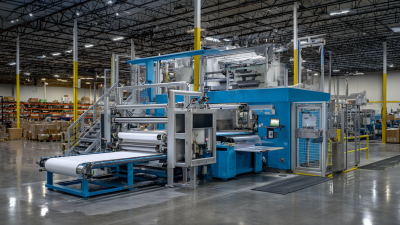
Rubber belt rewinder machines significantly enhance operational efficiency for businesses involved in manufacturing and logistics. These machines streamline the process of winding and rewinding rubber belts. By automating these tasks, companies save time and reduce human error during production. The precision offered by these machines ensures consistency in the final product, which is crucial for maintaining quality standards.
Implementing a rubber belt rewinder machine can lead to increased throughput. When production lines run smoothly, businesses can meet higher demand without the need for additional labor. Labor costs can be a significant portion of operational expenses. Investing in technology that improves consistency and speed can quickly justify the initial expenditure. Regular maintenance is important, as any downtime can offset these benefits.
Despite the advantages, there may be a learning curve for operators. Training staff to efficiently use these machines is essential. Poor handling can lead to inconsistent winding, which may not meet quality expectations. Businesses must balance investment in machinery with employee training. A thoughtful approach ensures that both the technology and workforce mature together. In this evolving landscape, embracing automation while remaining adaptive is key to sustained growth.
Top 10 Benefits of Rubber Belt Rewinder Machine for Businesses
Cost Savings and Economic Benefits of Using Rewinders
Cost savings play a critical role in the decision-making process for many businesses. Investing in a rubber belt rewinder machine can dramatically reduce costs associated with wasted materials and labor. These machines efficiently rewind rubber belts, which minimizes scrap and ensures better utilization of resources. Businesses can avoid the expensive losses incurred from defective products.
Moreover, the economic benefits extend beyond immediate savings. The increased productivity offered by rewinders leads to faster turnaround times. This efficiency enables companies to meet customer demands more effectively, improving overall performance. With a robust rewinding process, businesses can lower operational costs and potentially enhance profit margins.
However, businesses must consider the initial investment and maintenance costs of such machines. While the long-term benefits are substantial, it is crucial to analyze the short-term financial impact. This reflection encourages better budgeting and strategic planning. By weighing the pros and cons, companies can make informed choices that align with their financial goals.
Enhanced Product Quality Through Rubber Belt Rewinding
Rubber belt rewinding plays a crucial role in enhancing product quality across various industries. The process involves recovering rubber belts for repeated use, which not only saves costs but also maintains consistent performance. According to recent industry reports, businesses can experience up to a 20% increase in product durability through effective belt rewinding. This durability leads to less frequent replacements and minimizes production downtime, which is vital in maintaining a competitive edge.
Moreover, accurate rewinding ensures a smooth and uniform surface on the rubber belts. This uniformity reduces friction and wear, contributing to improved machine efficiency. Data shows that machines operating with well-maintained belts can run 15% more efficiently. However, improper rewinding practices can lead to inconsistencies in belt tension and alignment, which may adversely affect equipment life and performance.
Investing in a high-quality rubber belt rewinder machine also addresses environmental concerns. By recycling and reusing rubber materials, businesses can significantly reduce waste. Reports estimate that up to 30% less rubber waste is generated through efficient rewinding processes. This approach not only supports sustainability but also enhances the brand’s reputation in an increasingly eco-conscious market.
Customization and Versatility of Rubber Belt Rewinder Machines
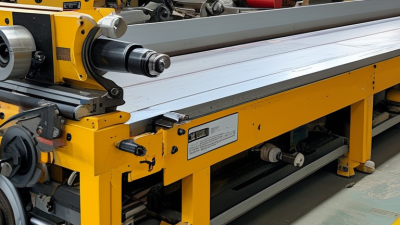
Rubber belt rewinder machines offer remarkable customization and versatility for businesses in various industries. These machines can easily adjust to different belt sizes and materials. This feature is vital for companies that need to manage diverse productions smoothly. From manufacturing to packaging, the ability to modify settings enhances operational efficiency. Businesses can optimize workflow and reduce downtime with these adaptable devices.
Customization extends beyond size; the technology also allows for tailored speed and tension settings. Such flexibility enables businesses to achieve precise rewinding processes. Less waste occurs when machines can fine-tune performance to suit specific requirements. This aspect can directly impact the bottom line, making operations more cost-effective. However, some businesses might encounter challenges when implementing these machines. Training staff to use advanced features can be a hurdle for some teams.
Investing in a rubber belt rewinder machine brings both advantages and considerations. While the customization features boost productivity, they also demand careful maintenance. A well-maintained machine runs smoothly, while neglect can lead to costly repairs. Balancing these factors is essential for long-term success. Businesses that integrate these machines effectively can experience notable improvements in their operations. Nevertheless, constant evaluation and training are crucial for maximizing their benefits.