What is a Slitter Rewinder Machine and How Does it Work?
In the world of manufacturing, the Slitter Rewinder Machine plays a vital role. This machine is essential for converting wide rolls of material into narrower strips. Experts, like David Thompson, a leading figure in the slitting industry, emphasize its significance: "The Slitter Rewinder Machine is the backbone of flexible packaging."
Understanding how this machine works can greatly enhance production efficiency. Generally, the process involves unwinding the material, slitting it to desired widths, and rewinding it back onto cores. Each step must be precise to ensure quality. However, many manufacturers overlook maintenance. Regular check-ups can prevent costly downtimes.
Moreover, the choice of blades and settings can greatly impact the final product. Often, operators face challenges with blade wear and alignment. These issues require attention and expertise to address effectively. Thus, realizing the nuances of a Slitter Rewinder Machine is crucial for successful operations in the industry.
Definition and Purpose of a Slitter Rewinder Machine
A slitter rewinder machine plays a crucial role in various manufacturing processes. It is designed to convert large rolls of material into smaller, more manageable pieces. This machine is widely used in industries like printing, packaging, and textiles. Its main purpose is to enhance efficiency and reduce waste during production.
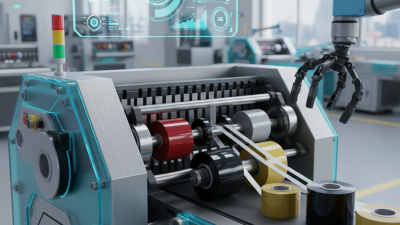
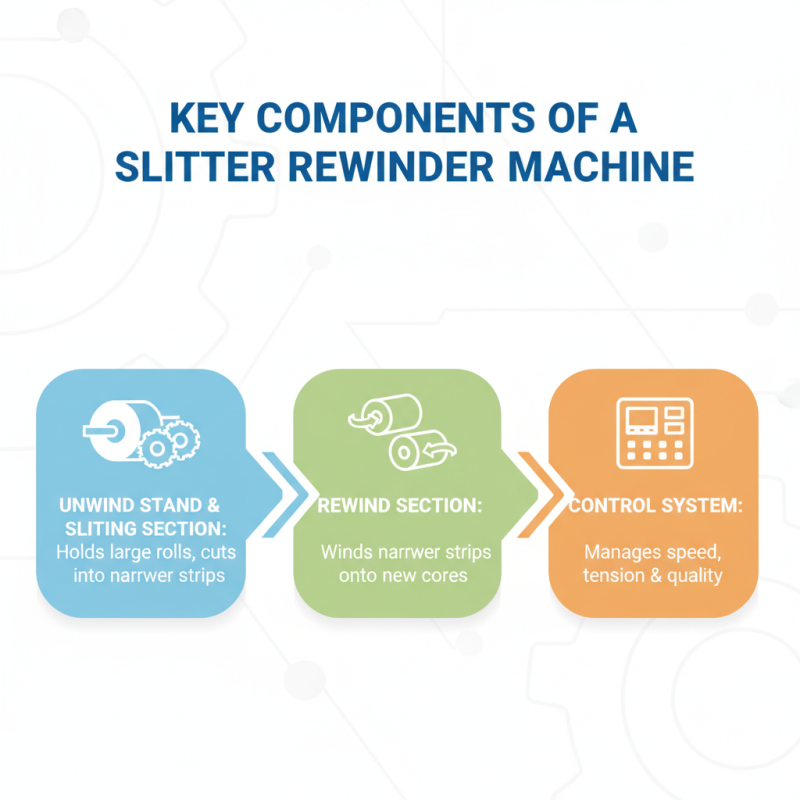
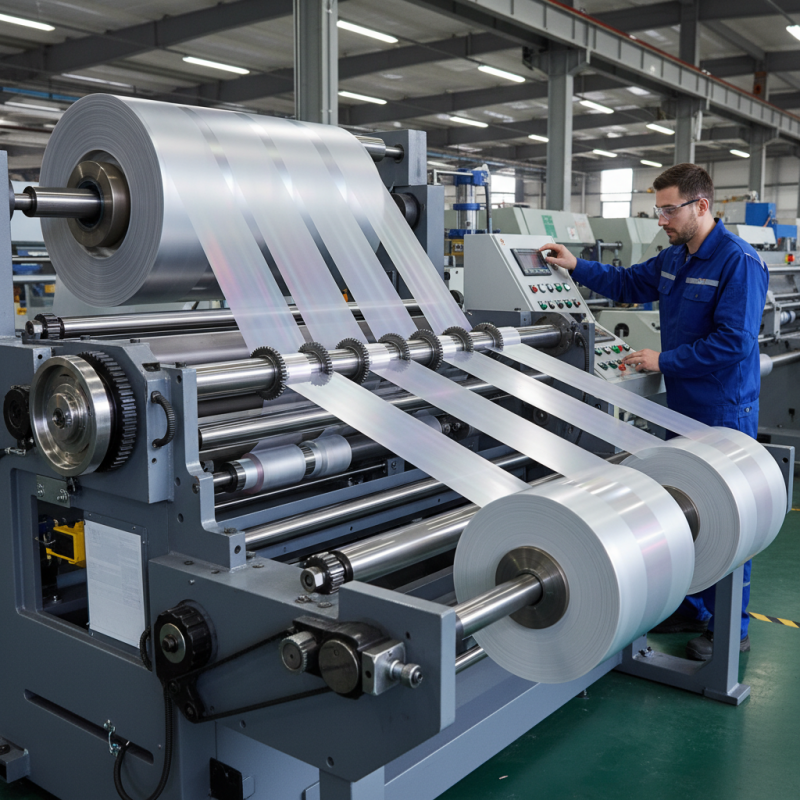
The operation of a slitter rewinder machine involves several key steps. First, a large roll of material is fed into the machine. Then, it uses blades to cut the material into narrow strips. After slitting, these strips are wound onto smaller rolls. This transformation makes it easier for manufacturers to handle and distribute the material.
However, using a slitter rewinder machine isn't without challenges. Ensuring precise measurements is essential; small errors can lead to significant waste. Regular maintenance is necessary to keep the machine running efficiently. Even experienced operators can face issues with maintaining consistent tension. This highlights the need for ongoing training and adjustment in operations.
Production Capacity of Slitter Rewinder Machines by Industry
How a Slitter Rewinder Machine Operates
A slitter rewinder machine is essential in various industrial processes. Its primary function is to cut large rolls of material into smaller, more manageable sizes. This machine is versatile, handling materials like paper, plastic films, and metal foils. It is crucial in industries such as packaging, printing, and textiles. Understanding its operation helps enhance productivity and quality.
The operation of a slitter rewinder machine involves several key components. First, the machine feeds the large roll into a slitting area equipped with sharp blades. These blades cut the material into narrower widths based on specific requirements. The slits are then guided to a rewinding section, where they are rolled into smaller, finished products. Operators often need to adjust blade settings and tension to ensure accuracy and avoid material waste, a challenge that requires experience.
Calibration and maintenance are critical to success. Even the best machines can underperform if not handled properly. Regular checks help identify wear on blades and other parts. Operators sometimes neglect this step, resulting in uneven cuts or jams. It's essential to stay vigilant and proactive in maintenance routines to ensure consistent quality. Such reflections contribute to a more efficient workflow.
Types of Materials Processed by Slitter Rewinder Machines
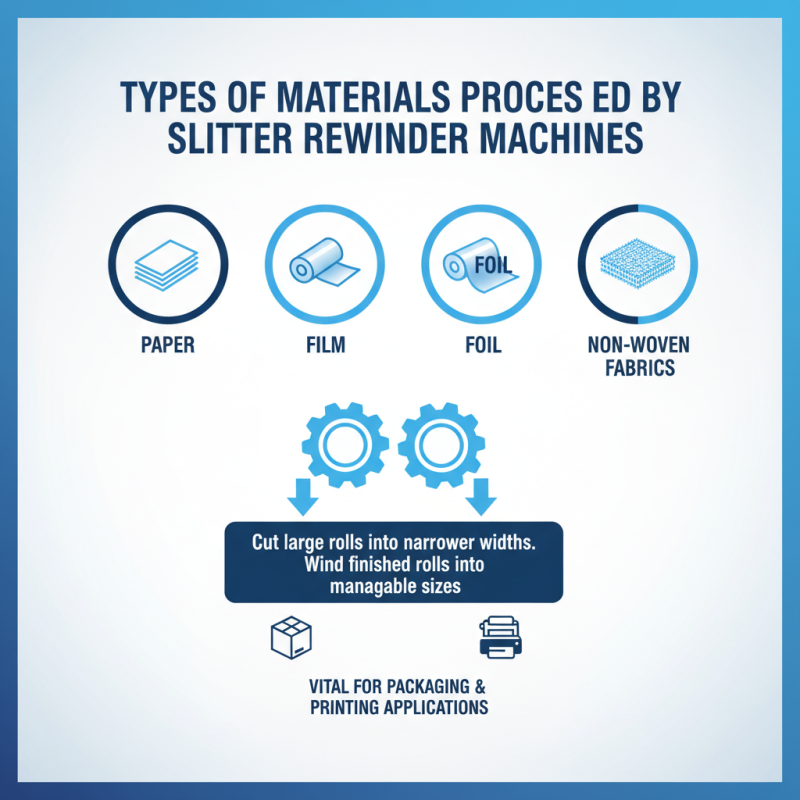
Slitter rewinder machines are essential in various industries. They process materials like paper, film, foil, and non-woven fabrics. These machines cut large rolls into narrower widths. They also wind the finished rolls into manageable sizes. This makes them vital for packaging and printing applications.
The materials processed vary widely. For instance, flexible packaging often requires thin films. Plastics are another common material. They are used extensively in food packaging. In 2022, the global flexible packaging market was valued at over $250 billion. This number reflects a growing demand for these materials.
Tips: Ensure proper material alignment in the slitter. Misalignment can lead to waste and reduced efficiency. Regular maintenance of the machine is crucial. A well-maintained machine enhances performance and longevity. Always test different materials to find optimal settings. This experimentation can reveal the ideal speed and pressure for each job.
Applications and Industries Utilizing Slitter Rewinder Machines
Slitter rewinder machines are essential in various industries. They convert large rolls of material into smaller, manageable rolls. This process is crucial for businesses dealing with flexible materials like films, laminates, or paper. According to the market report from Research and Markets, the slitting machines market is projected to grow at a CAGR of 5% from 2023 to 2028. This growth indicates the increasing importance of efficiency within manufacturing processes.
In packaging, slitter rewinders enhance productivity. They ensure precise cuts, reducing waste and improving quality. Industries such as food packaging and pharmaceuticals rely heavily on these machines. For instance, the food sector utilizes slitter rewinders for packaging films that maintain product safety and freshness. The flexibility of these machines allows them to handle various materials, catering to dynamic market demands.
Moreover, the printing industry benefits significantly from slitter rewinders. They help in producing printed materials with high precision, aligning with stringent quality standards. However, faulty adjustments can cause material damage, leading to inefficiencies. Regular maintenance and operator training are critical, yet often overlooked. As industries evolve, innovative solutions in slitting technology must be explored to address these challenges effectively.
What is a Slitter Rewinder Machine and How Does it Work? - Applications and Industries Utilizing Slitter Rewinder Machines
| Dimension |
Specification |
Application |
Industry |
| Max Web Width |
1600 mm |
Label Production |
Packaging |
| Max Speed |
300 m/min |
Film Slitting |
Food Industry |
| Rewind Diameter |
600 mm |
Flexible Packaging |
Cosmetics |
| Unwind Diameter |
800 mm |
Cold Seal |
Pharmaceutical |
| Control System |
PLC-based |
Paper Converting |
Textiles |