What is a Rubber Belt Traction Machine and How Does it Work?
The Rubber Belt Traction Machine plays a pivotal role in various industries, particularly in material handling and transportation. According to a report by MarketsandMarkets, the global market for conveyor systems, which includes rubber belt traction machines, is projected to reach USD 7.8 billion by 2025. This growth highlights the increasing demand for efficient and reliable material transport solutions.
These machines utilize rubber belts to provide traction and facilitate the movement of goods. The design allows for flexibility in handling different materials, making them essential in sectors like mining, manufacturing, and logistics. However, despite their importance, some challenges persist. Issues such as belt slippage and wear can lead to operational downtime, which many companies find frustrating.
Understanding how a Rubber Belt Traction Machine functions can help industries mitigate these problems. By investigating its mechanics and potential improvements, companies can enhance efficiency and reliability. Yet, there is always room for reflection on how much more can be achieved with advancements in technology and design. Recognizing these areas for improvement can foster innovation and drive industry standards higher.
What is a Rubber Belt Traction Machine?
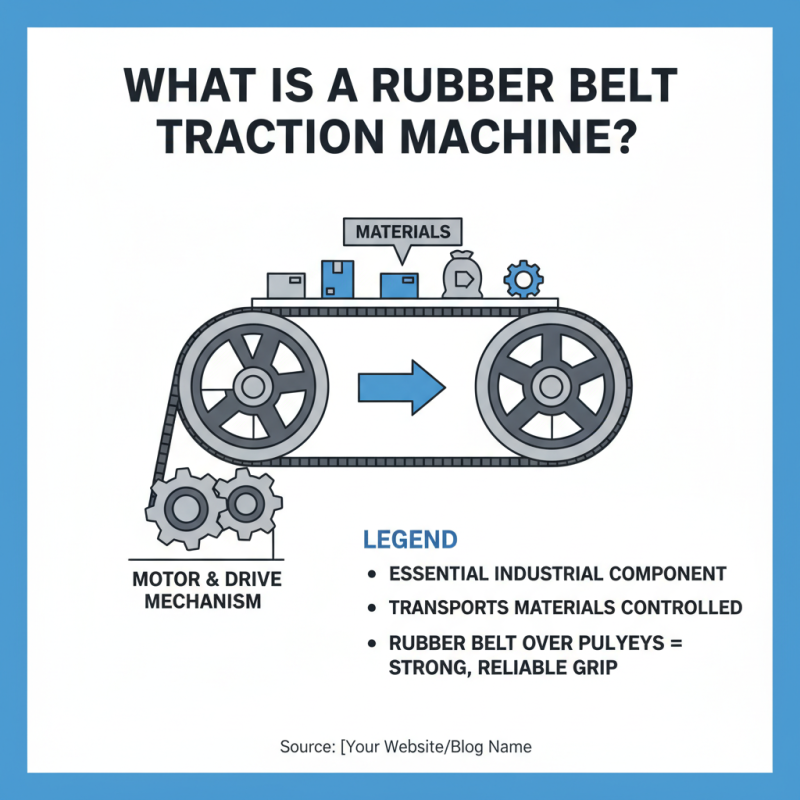
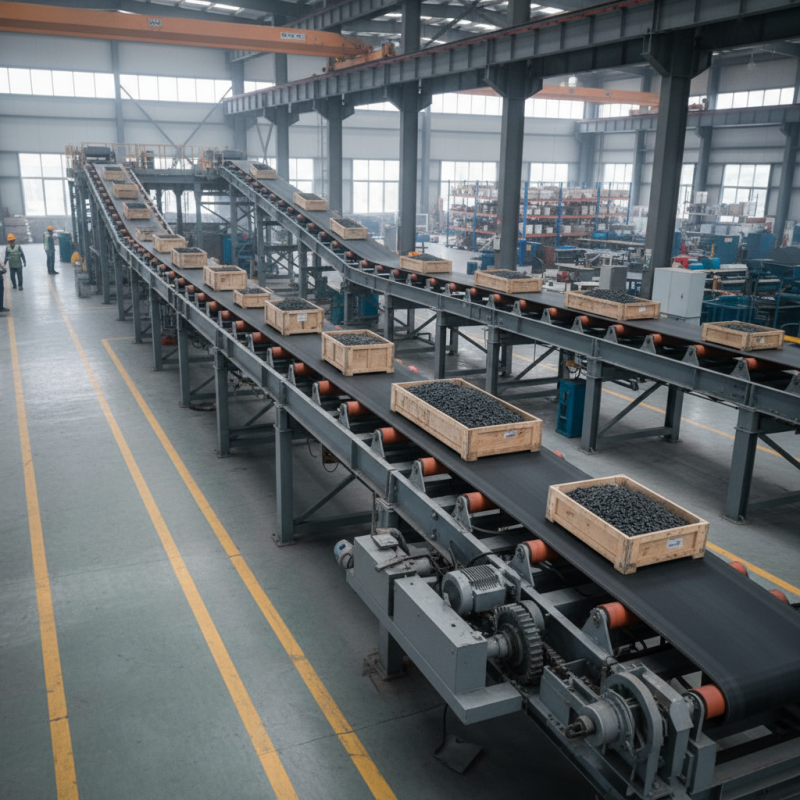
A rubber belt traction machine is an essential component in various industries. It is primarily used to facilitate the transportation of materials through a controlled system. This machine consists of a rubber belt that moves over pulleys, providing a strong and reliable grip on the materials it carries.
The design of these machines allows for efficient movement across different terrains. The rubber belt is flexible yet durable. This feature ensures that it can withstand heavy loads without significant wear and tear. However, users often overlook regular maintenance, which can lead to unexpected downtime. Monitoring the belt's condition is crucial, as any signs of damage can compromise the entire operation.
Understanding the working principle is key. As the rubber belt rotates, it uses friction to generate traction. This movement allows for the movement of heavy objects, from grains to assembly line parts. Improper adjustments in tension can hinder performance. A well-calibrated machine can enhance productivity, but many operators sometimes ignore the manual, leading to operational inefficiencies. Careful attention to detail is essential for optimal functionality.
Key Components of a Rubber Belt Traction Machine
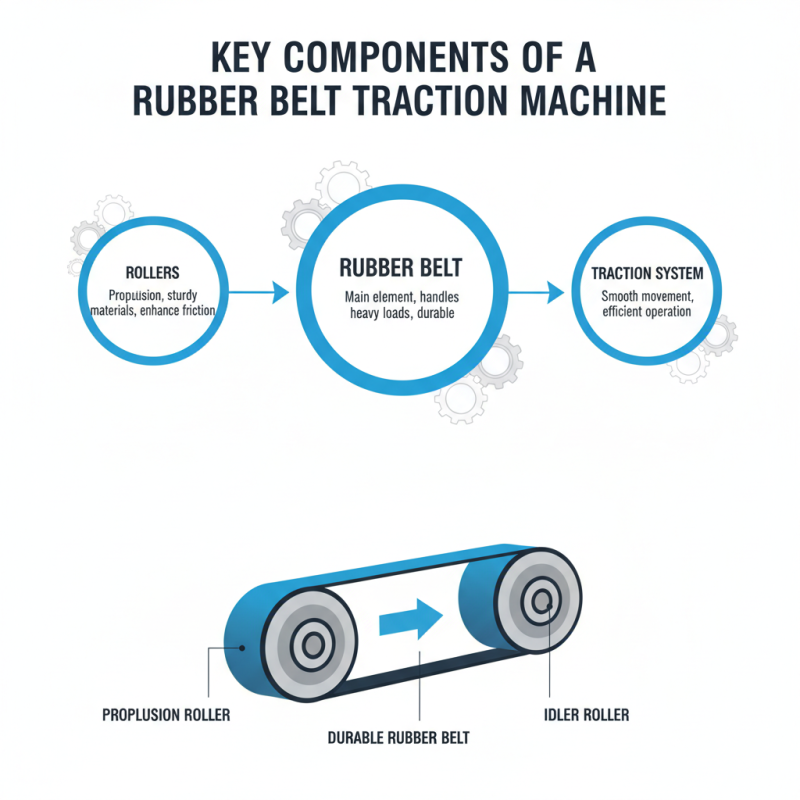
A rubber belt traction machine is primarily composed of several key components. The rubber belt serves as the main element, facilitating smooth movement. This belt is designed to handle heavy loads while maintaining durability. It wraps around rollers, which help in the propulsion of the entire system. These rollers, often made from sturdy materials, enhance friction and traction, allowing for efficient operation.
Another essential component is the motor. The motor powers the system, driving the rollers and ensuring the belt moves at a consistent speed. It also allows for adjustments in speed, accommodating different operational needs. Furthermore, the tensioning system plays a critical role. It maintains the proper tension on the belt, preventing slippage and ensuring reliability. Without adequate tension, the machine may underperform or even break down.
While these components sound straightforward, their interactions can be complex. For instance, the belt’s wear and tear must be regularly monitored. Neglecting this can lead to inefficient performance. When the rubber cracks or thins, the risk of failure increases. Regular maintenance is crucial. Operators should remain vigilant about the condition of all components to ensure optimal functionality.
Principle of Operation for Rubber Belt Traction Machines
Rubber belt traction machines are fascinating devices commonly used in various industries. Their principle of operation centers around the friction generated between the rubber belt and the surface it contacts. This friction allows the machine to grip and pull heavy loads efficiently. The rubber's flexibility and durability make it an excellent choice for this application, adapting to different surfaces while maintaining high traction.
One important aspect of these machines is their adjustable tension settings. Proper tension ensures optimal performance. Too loose, and the belt might slip; too tight, and it can cause premature wear. Regular monitoring of the belt condition is vital. Signs of wear can lead to lower efficiency and increased downtime.
**Tips:** Always inspect the rubber belt for cracks or fraying. Replace worn belts immediately to avoid accidents. When operating the machine, maintain a steady load. Sudden changes can strain the system. Understanding these nuances helps improve reliability and extends the machine's lifespan.
Rubber Belt Traction Machine Performance Analysis
This bar chart illustrates the performance metrics of a rubber belt traction machine, showcasing its operational parameters such as speed, torque, load capacity, and efficiency. These metrics are critical for understanding the machine's efficiency and effectiveness in various applications.
Applications of Rubber Belt Traction Machines in Industry
Rubber belt traction machines are essential tools in various industries. These machines use rubber belts to transmit motion. They exhibit versatility in function, enabling efficient transportation of materials in mining, agriculture, and manufacturing sectors.
In mining, rubber belt traction machines excel in moving heavy loads. According to a 2022 report by the Mining Equipment Institute, these machines can improve operational efficiency by up to 30%. They reduce the need for manual labor and lower the risk of accidents.
In agriculture, farmers utilize these machines for bulk grain handling. They simplify transport from fields to storage, saving time and energy.
Tip: Regular maintenance of rubber belts is crucial. Check for wear and tear frequently, as this affects performance.
In manufacturing, rubber belt traction machines streamline production lines. They enhance the speed at which products are processed. However, some industries still rely on outdated systems. Transitioning to modern rubber belt systems could yield greater productivity. It’s essential to assess current machinery and consider integration where possible.
Tip: Engage with industry experts to identify best practices. Staying informed can aid in overcoming resistance to change.
Advantages of Using Rubber Belt Traction Machines
Rubber belt traction machines offer several advantages, making them a popular choice in various industries. These machines use rubber belts instead of traditional metal or chain drives. This design reduces noise and vibration, creating a more comfortable working environment. According to a report from the American Society of Mechanical Engineers, the reduction in noise levels can be as much as 40%. This is a significant benefit for workplaces where sound levels can impact safety and productivity.
Another key advantage is the enhanced grip provided by the rubber belt system. The materials used allow for higher friction, which translates to better efficiency in transferring power. Research indicates that these machines can achieve over 90% energy efficiency in operation. This not only leads to reduced energy costs but also supports sustainability initiatives. However, users must be aware that maintenance can be more complex. Rubber belts may wear out faster than metal options, requiring regular inspections and replacements.
Finally, rubber belt traction machines are versatile. They can be adapted for different applications, from material handling to conveyor systems. Studies show that over 60% of industries report improved performance with custom rubber belt designs. However, customizations can lead to challenges in initial setup and cost management, aspects that businesses should consider.