Why Investing in a Belt Cutting Machine Can Enhance Production Efficiency by 30 Percent
The manufacturing sector is constantly striving for enhancements in production efficiency, and innovative machinery plays a pivotal role in achieving this goal. Among the myriad of options available, the Belt Cutting Machine stands out as a significant contributor to operational effectiveness. According to a report by Market Research Future, the global demand for cutting machinery is anticipated to grow at a CAGR of 4.5% between 2021 and 2026. This surge in demand demonstrates the industry's reliance on advanced cutting solutions, particularly as companies seek to optimize their processes and reduce waste.
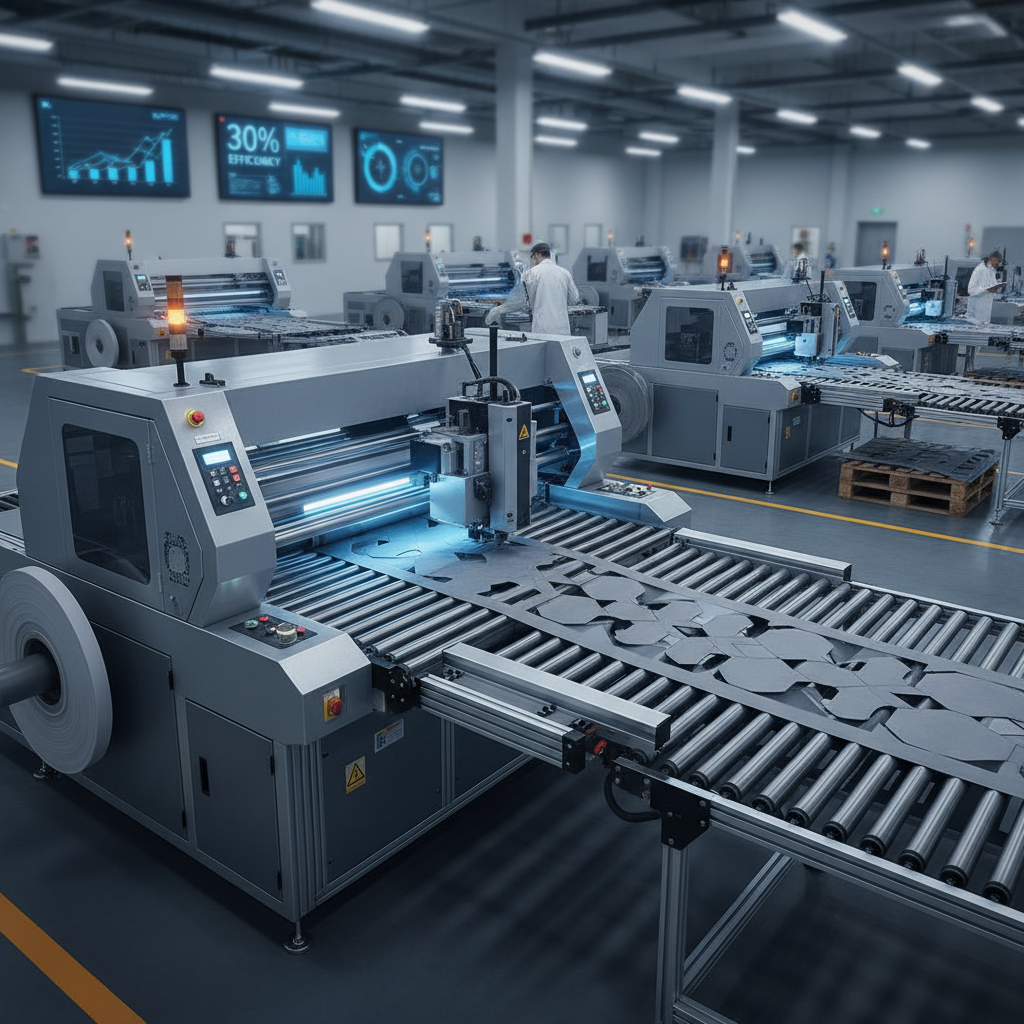
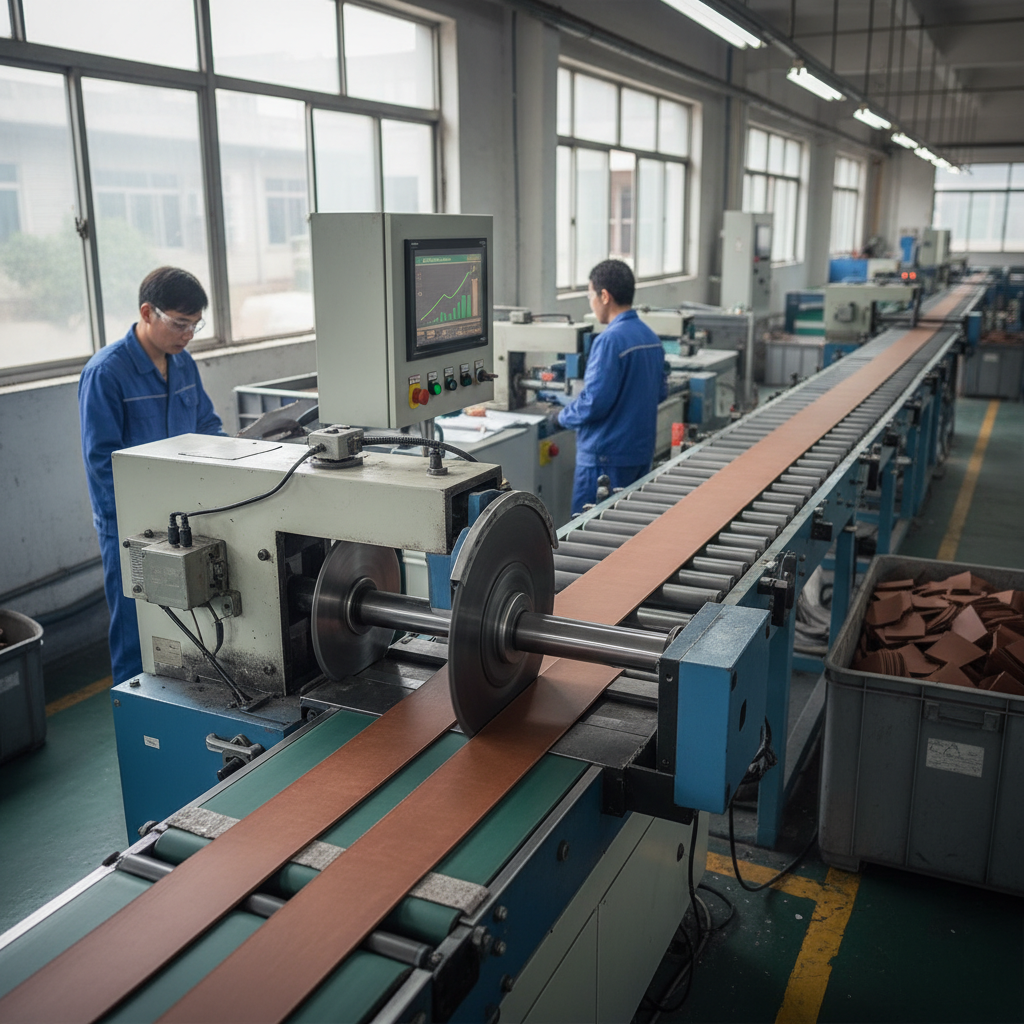
Investing in a Belt Cutting Machine not only streamlines cutting processes but also enhances precision and speed, resulting in a notable increase in productivity. Industry studies indicate that businesses incorporating these machines can experience a production efficiency boost of up to 30 percent. This improvement is particularly critical in sectors such as textiles and manufacturing, where precision cutting is essential for quality assurance and operational efficiency. Moreover, with the rising trends in automation and smart technology integration, the Belt Cutting Machine represents an essential asset for companies aiming to stay competitive in a rapidly evolving marketplace.
Benefits of Belt Cutting Machines in Modern Manufacturing Environments
Investing in a belt cutting machine can provide manufacturers with significant advantages in modern production environments. These machines enhance cutting precision and speed, allowing for more efficient material usage, which can lead to a remarkable 30 percent increase in overall production efficiency. In today's competitive landscape, where every second and resource counts, the adoption of such advanced technology is essential for staying ahead of the curve.
One key benefit of belt cutting machines is their ability to integrate with AI and automation systems, improving adaptability in production processes. By leveraging AI, companies can achieve predictive maintenance, which minimizes downtime and optimizes machine performance. This synergy between cutting machines and smart technology not only enhances operational efficiency but also elevates product quality through precise and consistent cuts.
Tips for Maximizing Efficiency with Belt Cutting Machines:
- Regular maintenance and calibration of cutting machines ensure peak performance and longevity.
- Invest in training for operators to fully utilize the advanced features of belt cutting technology.
- Pair the cutting machines with optimized software solutions to streamline workflow and enhance production planning.
Key Features that Improve Production Efficiency in Belt Cutting Machines
Investing in a belt cutting machine can significantly enhance production efficiency, specifically due to its advanced features that streamline operations. One of the essential characteristics is precision cutting technology, which minimizes material waste and reduces the time spent on adjustments. According to a report by MarketsandMarkets, companies that utilize automated belt cutting systems can experience up to a 30% increase in production efficiency, as these machines operate at higher speeds and accuracy than manual methods.
Another key feature that drives efficiency is the integration of artificial intelligence and software automation. These systems often come equipped with smart monitoring capabilities, allowing for real-time adjustments based on production demands. As highlighted in a research publication by the International Journal of Advanced Manufacturing Technology, businesses implementing these technologies have reported a reduction in downtime by as much as 20%. Consequently, the combination of precision cutting and intelligent automation makes belt cutting machines a vital investment for companies looking to optimize their manufacturing processes and improve their bottom line.
Why Investing in a Belt Cutting Machine Can Enhance Production Efficiency by 30 Percent
| Feature |
Description |
Efficiency Improvement (%) |
Impact on Production |
| Automatic Feed System |
Automatically feeds the material, reducing manual handling. |
15 |
Increases speed and reduces labor costs. |
| Laser Cutting Technology |
Provides high precision cuts with minimal waste. |
20 |
Improves material utilization and reduces quality issues. |
| User-Friendly Interface |
Intuitive controls for easy operation and quick training. |
10 |
Faster onboarding of new operators, reducing downtime. |
| Energy Efficiency |
Uses less power compared to traditional machines. |
5 |
Lower operational costs and environmental impact. |
| Maintenance Alerts |
Built-in alerts for routine maintenance, preventing breakdowns. |
5 |
Minimizes unexpected downtimes and extends machine life. |
Cost-Effectiveness: How a Belt Cutting Machine Reduces Operational Expenses
Investing in a belt cutting machine can significantly reduce operational expenses, especially in sectors where precision and efficiency are paramount. These machines streamline the cutting process, minimizing material waste and labor costs associated with manual cutting methods. As companies face growing cost pressures and shrinking profit margins, adopting a belt cutting machine can be a strategic move to enhance cost-effectiveness. This transition not only maximizes resource utilization but also leads to consistent quality, reducing the likelihood of costly errors that may arise from manual processes.
Moreover, as industries increasingly turn towards automation and advanced technologies to maintain competitiveness, a belt cutting machine represents a pivotal investment. Similar to the trends seen in warehouse robotics and predictive maintenance in mining, these machines optimize production workflows and contribute to a leaner operation. By decreasing the overall time spent on cutting tasks, businesses can redirect resources and focus on higher value activities, thereby improving their bottom line and fostering sustainable growth in a volatile marketplace.
Impact of Investing in a Belt Cutting Machine on Production Efficiency
This chart illustrates the significant improvement in production efficiency after investing in a belt cutting machine, showing an enhancement of 30% from 70% to 100% efficiency.
Comparative Analysis: Traditional Cutting Methods vs. Belt Cutting Machines
In the realm of manufacturing, efficiency is paramount, and the choice of cutting methods can significantly impact production outcomes. Traditional cutting methods, such as manual or guillotine cutting, often suffer from limitations related to speed and precision. A study by the Industry Efficiency Report notes that these methods can result in up to 20% material waste due to inaccurate cuts, ultimately leading to increased costs and downtime. Moreover, labor-intensive processes typically require more workforce hours, which further hampers the production line's efficiency.
On the other hand, belt cutting machines offer a transformative solution that integrates advanced technology to optimize production workflows. According to a recent analysis by the Manufacturing Technology Association, companies that switched to automated belt cutting systems reported an impressive enhancement in efficiency—up to 30%. These machines reduce material waste significantly due to their precision cutting capabilities, which minimizes errors and maximizes output. Additionally, they require fewer operators, allowing businesses to reallocate valuable labor resources to other critical areas in the production process. The shift from traditional methods to belt cutting machines is not just a trend; it’s a strategic move towards smarter manufacturing.
Real-World Case Studies Demonstrating 30% Efficiency Gains with Belt Cutters
Investing in a belt cutting machine can significantly enhance production efficiency, as evidenced by real-world case studies that showcase gains of up to 30%. For instance, a prominent automotive parts manufacturer implemented a belt cutting solution and reported a remarkable reduction in waste. According to a report by the International Journal of Advanced Manufacturing Technology, automated cutting machines not only streamline production but also minimize material wastage by approximately 15%, contributing to overall efficiency improvements.
Another case is seen in the textile industry, where a leading fabric manufacturer adopted modern belt cutting technology. The integration of these machines allowed for faster cutting speeds and improved precision, which led to a 25% increase in throughput. The Machinery Market Analysis published by Smithers Pira indicates that companies that utilize advanced cutting technologies can achieve up to 30% higher productivity compared to traditional methods. This increase in output not only boosts profitability but also enhances the ability to meet rising consumer demands effectively.