Choosing an Automatic Strap Cutter is a practical decision about line speed, cut quality, and operator workload. Deloitte and the Manufacturing Institute’s 2024 manufacturing workforce study estimates that 3.8 million U.S. manufacturing jobs may be needed by 2033, with 1.9 million potentially unfilled. The estimate covers manufacturing broadly, not strap-cutting roles. Still, it highlights why manufacturers examine automation when staffing is difficult.
A cutter that fits one factory may disappoint in another. Start with the strap material, width, thickness, required cut length, and cuts per minute. Then check whether the machine handles your actual production pattern, including short runs and frequent length changes. Ask suppliers for cycle-time data and a demonstration using your own strap. Watch the blade cut, the strap feed, and how easily operators clear jams. Small details matter.
Compare guarding, blade access, spare-part availability, and integration needs alongside purchase price. Request a written specification, and verify performance under realistic conditions rather than relying on a headline speed. A clean sample cut is useful. It is not the whole story. A spreadsheet can also miss the awkward changeover that slows a shift. That deserves a closer look. The right Automatic Strap Cutter should meet measurable production needs while remaining safe, serviceable, and straightforward for the people who use it.
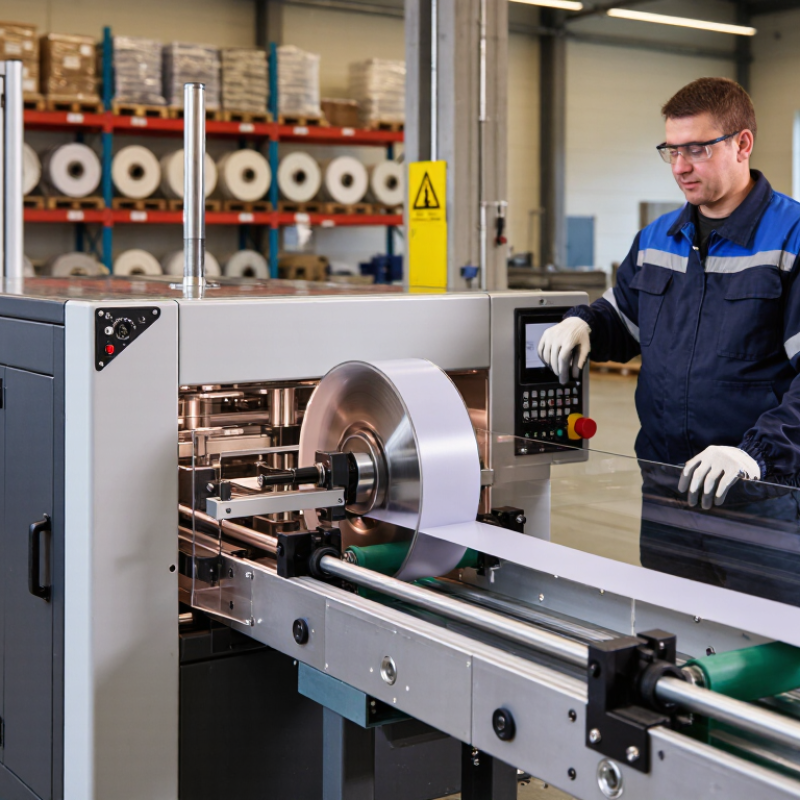
An automatic strap cutter feeds material from a coil, measures a selected length, and cuts it with a powered blade. The strap usually passes between feed rollers that grip and move it forward. A sensor or encoder tracks that movement. The control unit compares the measured length with the operator’s setting, then signals the cutter to act. The blade may move electrically or through compressed air. The exact sequence varies by machine.
The cut looks simple. The setup is not always. Uneven tension, dusty rollers, or a worn blade can affect feeding and edge quality. For example, a slippery plastic strap may shift more than a textured one. Operators should check the feed path, set the correct length, and test a few cuts before production. Keep hands clear of the cutting area, and use the machine’s guard as designed. I would not assume that every cutter handles every strap equally well. Review its manual and material limits; this description cannot replace either. A clean cut is useful, but consistent feeding is what makes the cycle dependable.
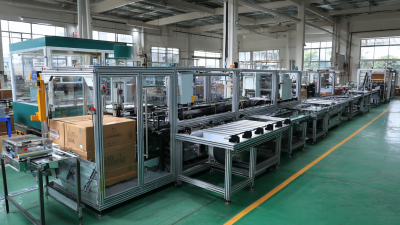
An automatic strap cutter should be selected around the strap you actually use, not a generic “standard” specification. Identify whether it is polypropylene, polyester, or steel, then record its width, thickness, surface finish, and tension. A slick, narrow PP strap can feed differently from a stiff PET strap. Steel needs a cutter rated for metal.
PlasticsEurope’s Plastics – the Fast Facts 2023 reports that packaging represented about 39% of European plastics conversion in 2022. That figure describes packaging broadly, not strapping alone, but it shows why material assumptions need checking.
Set the cutter’s working range against your narrowest and widest straps, then confirm the stated thickness and cut capacity. Also define the job: cuts per minute, manual or automatic feed, bundle access, and whether the cut end must stay controlled.
The European Environment Agency reported 188.7 kilograms of packaging waste per person in the EU in 2021; this is not a machine-sizing figure, but it reflects the scale and variety of packaging handled.
Small differences matter. Ask for a trial using your own strap, especially if it is printed, dusty, or unusually stiff. A catalog table may look clear; a real cut can reveal feed slip or frayed edges. Measure twice. One detail is easy to miss: leave enough clearance for the cutter head and the operator’s hands.
When choosing an automatic strap cutter, compare its rated capacity with the strap you actually use. Check width, thickness, material, and the maximum number of cuts per minute. A machine rated for light polypropylene may struggle with thicker polyester strap. Ask for a test using your own material, not just a catalog sample. That gap matters.
Feed systems affect consistency. Powered rollers can keep strap moving at a steady pace, while coil-fed systems reduce manual handling. Look for guides and sensors that prevent wandering or double-feeding. PMMI’s 2023 State of the Industry report estimated U.S. packaging machinery shipments at about $10.9 billion in 2022. This signals a large, evolving equipment market, but it does not prove any cutter’s speed or reliability. Verify those figures on the shop floor.
Cutting methods also shape the result. A guillotine-style blade can make clean, repeatable cuts; a rotary blade may suit continuous feeding. Inspect the cut edge for fraying, crushed fibers, or loose strands. Confirm blade-change time and guarding, too. I would still question a high cycle-rate claim unless it includes your strap type and real feed conditions. A small test run often reveals more than a polished specification sheet.
A good automatic strap cutter makes routine adjustments clear, not buried in menus. Check whether operators can set strap width, feed speed, and cut length without guesswork. A readable display and tactile buttons help when the work area is noisy or gloves are worn. Test the controls with the actual strap material; settings that work on thin plastic may not suit thicker stock.
More automation is not always better. Safety matters. Look for a guarded cutting area, an accessible emergency stop, and sensors that pause operation if a cover opens or material jams. Ask how the cutter behaves after a power interruption. A restart that resumes unexpectedly can surprise an operator, even when the machine is functioning as designed. Training should cover safe clearing procedures, not just the normal cutting cycle.
Maintenance affects consistency. Check whether blades can be inspected and replaced without awkward disassembly, and whether dust or strap fragments collect around the feed rollers. Ask about cleaning intervals, blade life, and the availability of replacement parts. A simple maintenance log can reveal dull cuts before they cause wasted material. One detail is easy to miss: a machine may be easy to clean but difficult to recalibrate. Request a demonstration with your own material, and note any steps that feel unclear.
An automatic strap cutter should match the work you actually run, not an optimistic peak-volume forecast. Record daily strap usage, shift length, and the number of size changes. A line cutting 300 straps per shift has different needs from one cutting 3,000. Check the machine’s rated speed, but also ask how quickly it handles feeding, measuring, and clearing offcuts. Speed on paper is not the whole story.
For low or uneven volumes, a simpler machine may cost less to buy and maintain. If operators spend hours cutting by hand, however, automation may recover that time even without running continuously. For steady, high-volume production, compare cycle rate with real shift output and planned downtime. Ask about blade replacement, setup adjustments, and the cost of spare parts. Small details add up. A machine that needs frequent attention can interrupt a line and erase expected savings.
Estimate the total cost per usable cut, including labor, maintenance, scrap, and energy. Then compare it with your current process over a realistic period, such as a year. A spreadsheet can still flatter the estimate if it assumes full utilization every day. It rarely happens. Leave room for demand swings, trial runs, and operator training. If possible, test the cutter with your own strap material and measure cut consistency across a full batch. One imperfect result is worth investigating before purchase.
| Production Profile | Typical Daily Volume | Indicative Output Rate | Suitable Machine Features | Typical Staffing | Indicative Purchase Price (USD) | Best Fit |
|---|---|---|---|---|---|---|
| Low-volume or varied orders | Up to 2,000 cuts | About 300–800 cuts/hour | Programmable length control, manual loading, basic blade guard, and a simple control panel | One operator for loading, monitoring, and bundling | $2,000–$6,000 | Small workshops and businesses with frequent product changes and short production runs |
| Regular small-batch production | 2,000–8,000 cuts | About 800–2,000 cuts/hour | Automatic feeding, digital length and quantity settings, repeat-job storage, and an emergency stop | One operator; a second person may help with packing during peak runs | $5,000–$12,000 | Operations needing consistent lengths and better output without a dedicated production line |
| Medium-volume production | 8,000–25,000 cuts | About 2,000–5,000 cuts/hour | Servo-controlled feed, batch counting, adjustable cutting speed, and support for multiple strap materials | One operator, with periodic material replenishment and quality checks | $10,000–$25,000 | Manufacturers running repeat orders across one or more shifts |
| High-volume production | 25,000–60,000 cuts | About 5,000–10,000 cuts/hour | High-speed feeding, automated counting and batch separation, larger material capacity, and production diagnostics | One operator can monitor the cutter; staffing depends on material handling and packing | $20,000–$50,000 | Facilities with long, repeatable runs and sustained daily demand |
| Continuous or integrated production | More than 60,000 cuts | 10,000+ cuts/hour, subject to setup | Custom feeding and discharge systems, line integration, automated handling, and dedicated safety controls | Operator oversight plus maintenance and line-support coverage | $40,000–$100,000+ | Large-scale production where reduced handling time and line uptime justify a custom system |
Planning note: Output rates and prices are indicative estimates, not guaranteed specifications. Actual performance depends on strap material, width and thickness, cut length, feeding method, changeovers, and quality requirements. Prices are approximate equipment-only USD estimates; confirm current quotations, installation, shipping, taxes, and safety requirements with suppliers.