What is a Fibc Belt Cutting Machine and How Does It Work?
The Fibc Belt Cutting Machine is a critical tool in the packaging industry. It specializes in cutting flexible intermediate bulk containers (FIBCs) with precision. These machines ensure that the production of FIBCs is efficient and consistent. A well-designed Fibc Belt Cutting Machine can enhance productivity and reduce waste.
This machine operates by utilizing a belt-driven mechanism. The blades are sharp and precise, ensuring clean cuts. Operators often praise its reliability and ease of use. However, like any machinery, it requires regular maintenance. Neglecting this can lead to inefficiencies and increased operational costs.
Understanding the Fibc Belt Cutting Machine is essential in today’s manufacturing landscape. This knowledge empowers companies to make informed decisions. Emphasizing quality and efficiency in the production process is vital. While investing in a cutting machine can seem daunting, the benefits often outweigh the risks. Investing wisely may lead to significant improvements in output and quality.
What is a Fibc Belt Cutting Machine?
A FIBC belt cutting machine is specifically designed for cutting flexible intermediate bulk container (FIBC) belts efficiently and accurately. These machines play a crucial role in the manufacturing process of FIBCs, which are widely used for storing and transporting powders and granules. According to the Flexible Intermediate Bulk Container Association (FIBCA), the global market for FIBCs is projected to reach nearly $3 billion by 2025, highlighting the increasing demand for efficient manufacturing techniques.
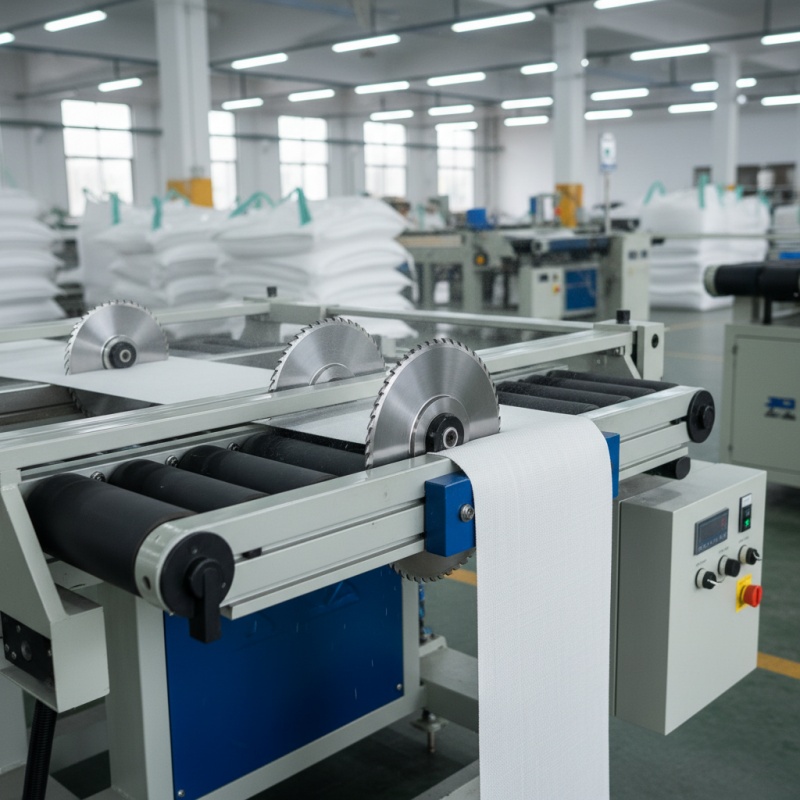
The operation of a FIBC belt cutting machine involves several key components. The machine typically features a precision cutting blade that can handle various belt materials, ensuring clean edges and minimal waste. Advanced models may include automatic feed systems, reducing labor costs and increasing production speed. However, the setup and maintenance of these machines can be complex. Operators must be trained extensively to use them effectively, which can sometimes lead to operational errors.
Additionally, maintaining the cutting quality over time poses challenges. Continuous use can dull the blades, leading to inconsistent cuts and increased material wastage. According to industry reports, improper maintenance can increase operational costs by up to 30%. Regular inspections and timely blade replacements are crucial to ensure reliability and optimal performance of the cutting machine. Addressing these challenges can significantly improve the overall efficiency in FIBC belt production.
What is a Fibc Belt Cutting Machine and How Does It Work?
| Feature |
Description |
| Functionality |
Cuts FIBC belts to specified lengths and widths efficiently. |
| Cutting Mechanism |
Uses rotary knives or blades for precise cutting. |
| Material Compatibility |
Designed to cut various materials such as polypropylene, polyester, and woven fabrics. |
| Automation Level |
Can be fully automated or semi-automated to enhance efficiency. |
| Safety Features |
Equipped with emergency stop buttons and safety guards. |
| Applications |
Primarily used in FIBC manufacturing, textile processing, and packaging industries. |
| Maintenance |
Regular maintenance is required for optimal performance and longevity. |
Components of a Fibc Belt Cutting Machine
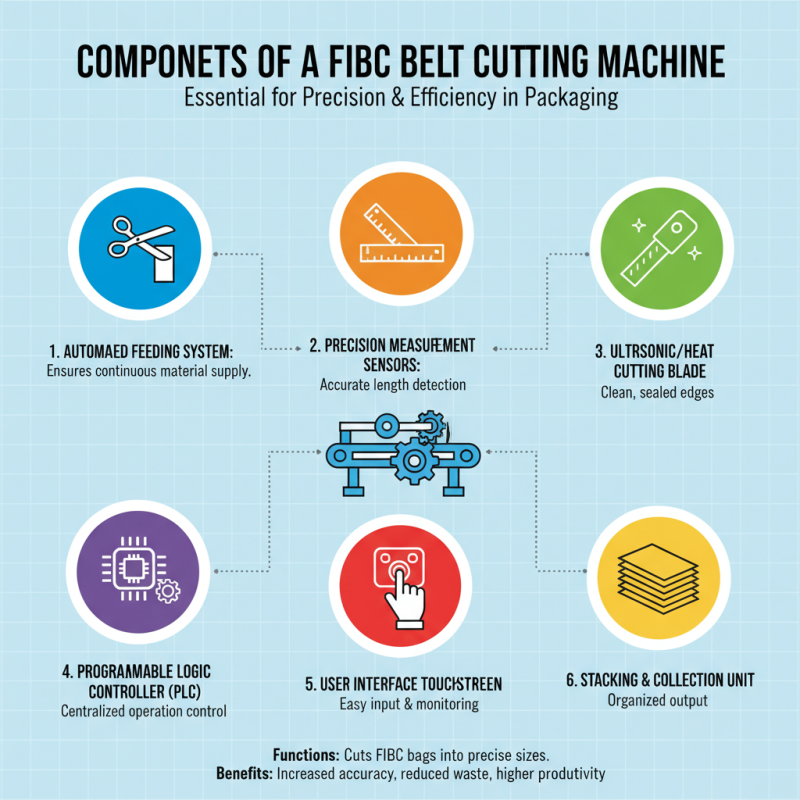
A FIBC (Flexible Intermediate Bulk Container) belt cutting machine is essential in the packaging industry. This machine precisely cuts FIBC bags into desired sizes for various applications. Its components play a crucial role in ensuring efficiency and accuracy during operation.
Key components of a FIBC belt cutting machine include the cutting blade, the conveyor system, and the control panel. The cutting blade is typically made of high-quality steel, ensuring durability and sharpness. A robust conveyor system feeds the bags continuously, minimizing downtime. The control panel allows for easy operation, enabling users to set cutting lengths with precision. According to industry reports, machines with advanced automation can reduce labor costs by up to 20%.
Tips: Regularly check the blade for wear and tear. A sharp blade guarantees cleaner cuts, leading to less waste. Additionally, clean the conveyor system often to avoid disruptions in workflow.
Another component to consider is the safety features, which protect operators during use. Emergency stop buttons and safety shields are pivotal in preventing accidents. Reports highlight that robust safety measures can reduce workplace injuries by significant margins. Investing in modern equipment can lead to improved operational efficiency, but older machines may require more attention, reflecting on their reliability.
How Does a Fibc Belt Cutting Machine Operate?
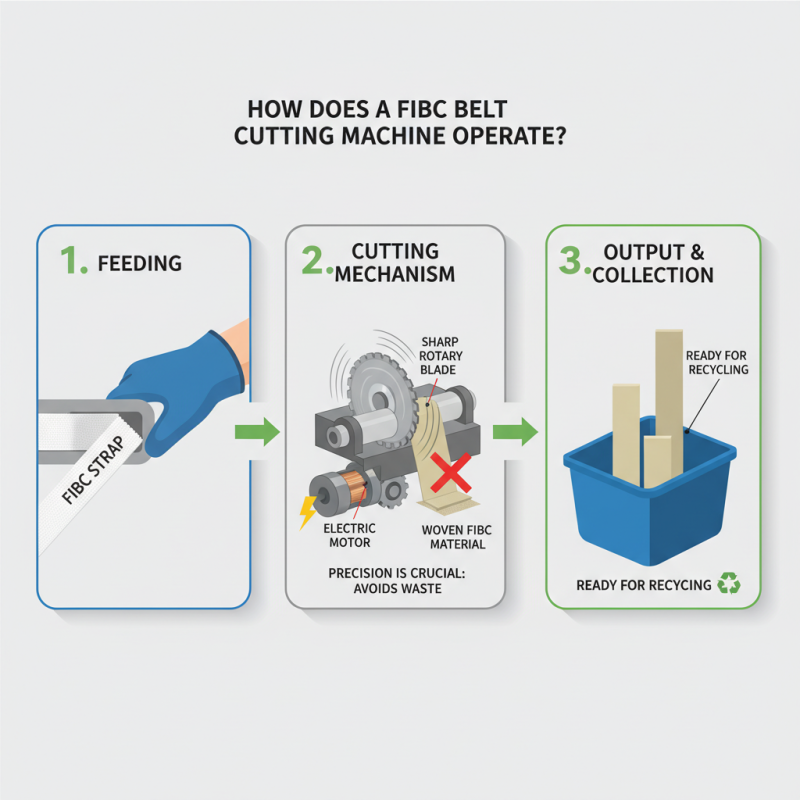
A FIBC belt cutting machine is essential in industries that use flexible intermediate bulk containers. It efficiently cuts the straps of these containers to ensure they are ready for use or recycling. The machine operates with an electric motor that powers a sharp blade. This blade moves rapidly to slice through the thick woven fabric of the FIBC belts. The precision of the blade is crucial; any misalignment can lead to wasted materials.
Operation involves placing the belt into the machine's feeding area. Operators need to ensure proper alignment. A misfeed can cause uneven cuts, leading to further complications. Once the belt is secure, the machine is activated. The blade travels down, making a clean cut. It’s important to monitor the process closely. Any irregularities can affect the container's integrity in later stages.
Maintaining the cutting machine is vital. Regular inspections can prevent issues that arise from wear and tear. Operators must be trained to handle the equipment safely. They should recognize when the blade needs sharpening or replacement. This ensures the machine runs smoothly and effectively. Even with the best technology, human error can occur, prompting ongoing assessment and adaptation in operational protocols.
Applications of Fibc Belt Cutting Machines in Industry
Fibc belt cutting machines play a crucial role in various industries. These machines cut flexible intermediate bulk containers (FIBCs) into precise dimensions. This process enhances efficiency in packaging and transportation. Many factories use these machines to streamline operations and reduce waste. They help businesses meet strict requirements for bulk material handling.
In industries such as agriculture, construction, and chemicals, fibc belt cutting machines improve productivity. Farmers may require specific sizes for transporting grains, while construction sites need custom-cut bags for cement. These machines also cater to the unique needs of each sector. However, not all machines handle every material equally. It is essential to consider the type of bulk material when selecting a cutting machine.
Despite their advantages, the limitations of fibc belt cutting machines warrant reflection. Maintenance is critical for optimal performance. Failure to service these machines can lead to inaccuracies in cuts. Operators must also be trained properly to ensure safety. Investing in quality equipment and ongoing training can help mitigate these issues. But challenges remain, suggesting the need for continuous improvement in these cutting-edge technologies.
Benefits of Using a Fibc Belt Cutting Machine
A FIBC belt cutting machine is a specialized tool used in the textile and packaging industries. It efficiently cuts flexible intermediate bulk containers (FIBCs) with precision. The machine works by utilizing blades that slice through the fabric, ensuring clean edges and consistent sizes. This process enhances the quality of the final product.
One of the key benefits of using a FIBC belt cutting machine is accuracy. Manual cutting methods often lead to uneven edges and fabric waste. Automation reduces human error, providing a more reliable output. Additionally, the machine can handle various fabrics, making it versatile. This adaptability helps businesses meet varying production needs.
Here are some tips for successful operation: Always check the blade condition before starting. A dull blade can ruin the fabric and affect cuts. Training staff on proper usage is vital. They should know the machine’s features and limitations. Regular maintenance keeps the machine in top shape. Ignoring upkeep can lead to breakdowns and downtime.
FIBC Belt Cutting Machine Efficiency Comparison
This chart illustrates the cutting speed of different FIBC belt cutting machines. Machine D showcases the highest efficiency with a cutting speed of 30 m/min, followed by Machine C at 25 m/min. Such comparisons can help in selecting the most efficient machine for FIBC cutting tasks.