10 Essential Tips for Choosing the Right Belt Cutting Machine for Your Needs
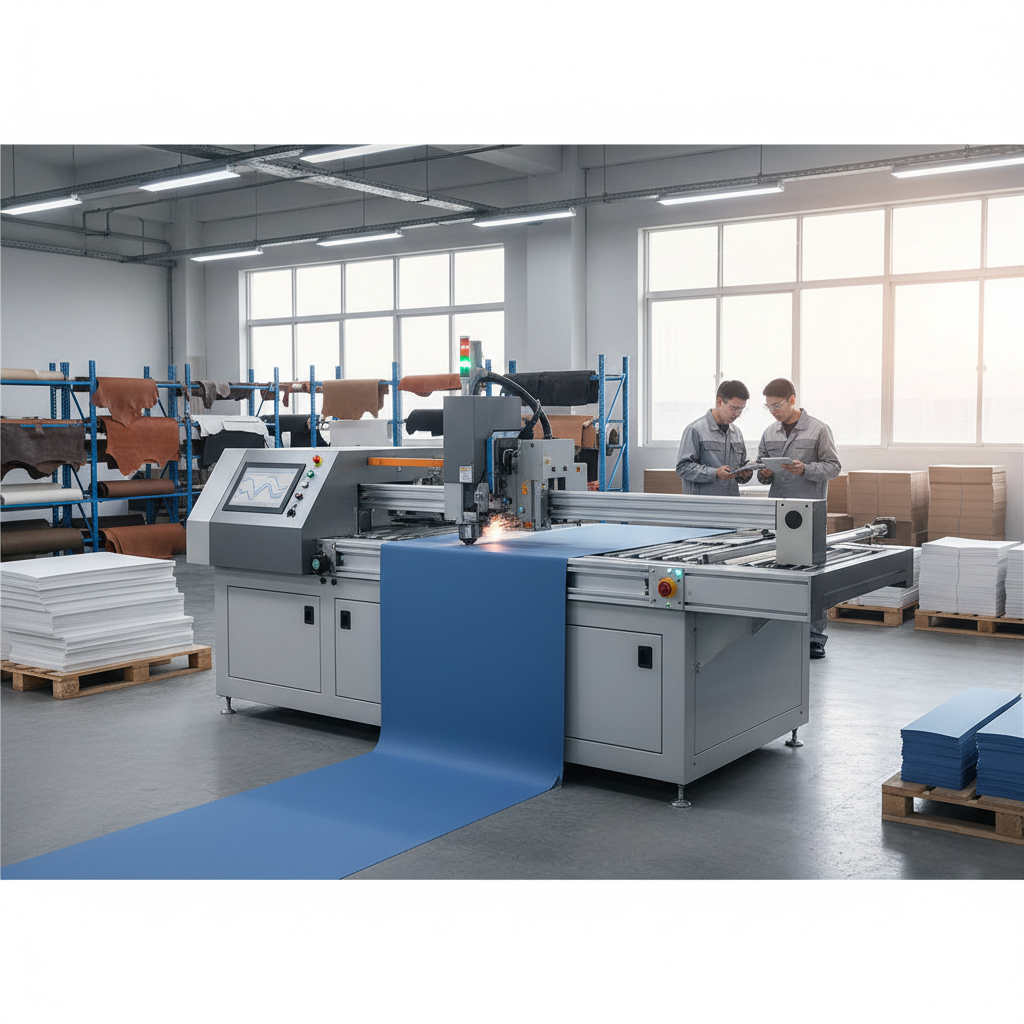
When it comes to streamlining production processes in various industries, selecting the right equipment is crucial. One such essential piece of machinery is the Belt Cutting Machine, which plays a vital role in ensuring precise and efficient cutting of materials. With numerous options available on the market, making the right choice can be overwhelming. This article presents 10 essential tips for choosing the Belt Cutting Machine that best aligns with your specific needs, enhancing your operational efficiency and productivity.
Understanding the functionalities and features of Belt Cutting Machines is the first step in making an informed decision. These machines come in various designs and specifications, tailored to handle different types of materials and cutting requirements. Whether you're in the textile, automotive, or packaging industry, having a proficient understanding of your unique needs will enable you to identify the most suitable machine.
In this guide, we will explore key considerations such as the machine's cutting capacity, operational speed, maintenance requirements, and technology integration. By the end, you will be equipped with the knowledge necessary to select a Belt Cutting Machine that not only meets your immediate requirements but also supports your long-term goals in production efficiency and cost-effectiveness.
Key Features to Look for in Belt Cutting Machines
When selecting a belt cutting machine, understanding key features is crucial for making an informed decision. One fundamental aspect to consider is the machine's cutting precision. According to a recent industry report by MarketsandMarkets, precision cutting technology is projected to grow at a CAGR of 7.3% from 2020 to 2026, underscoring its importance in manufacturing processes. A high-quality belt cutting machine should enable accurate cuts with minimal waste, significantly enhancing overall efficiency.
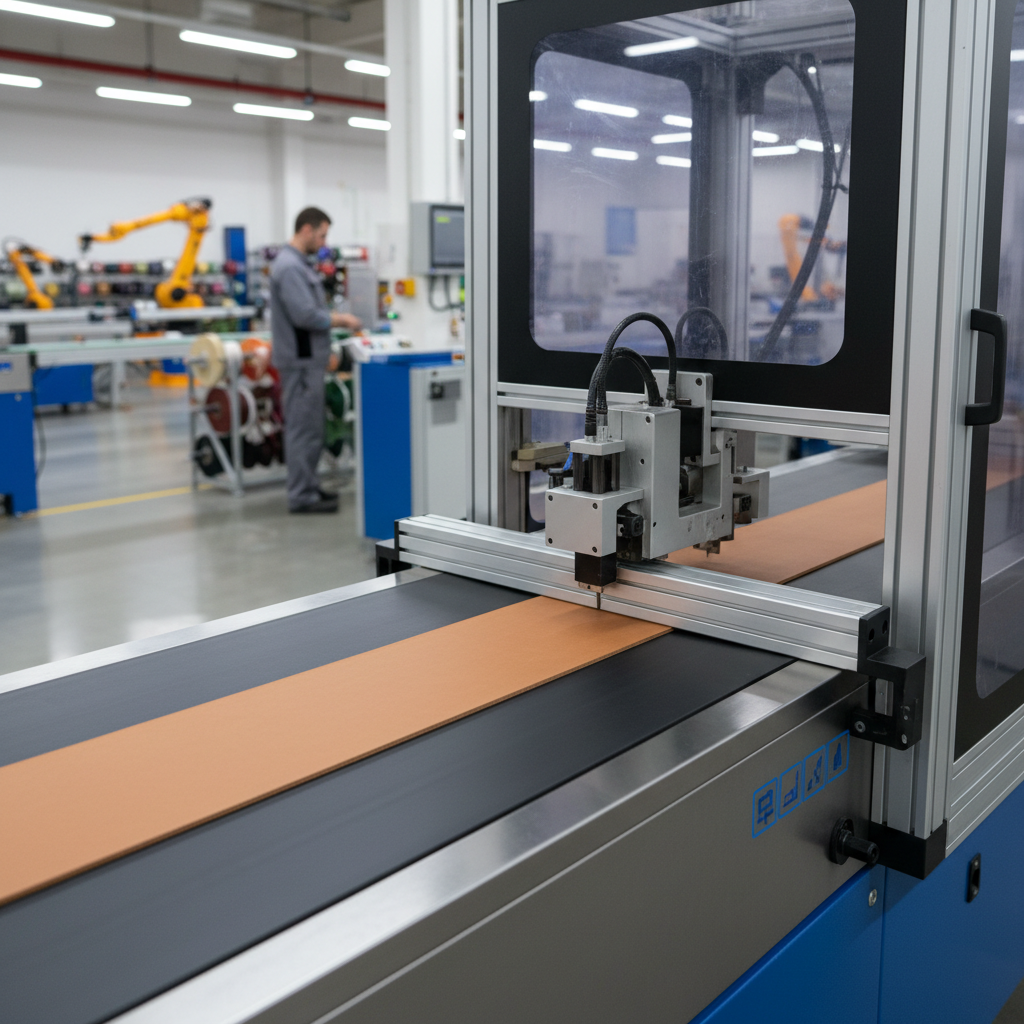
Another essential feature is the versatility of the machine. Many modern belt cutting machines come equipped to handle various materials, including leather, fabric, and synthetic options. This adaptability is vital, especially for businesses that require customization in production. A study published by Technavio indicates that the global demand for versatile cutting machines is expected to rise as manufacturers increasingly seek to optimize production lines. Features such as adjustable blade settings and programmable cutting patterns are beneficial for accommodating diverse project requirements, ensuring that the chosen machine can grow alongside your business needs.
Understanding Different Types of Belt Cutting Machines
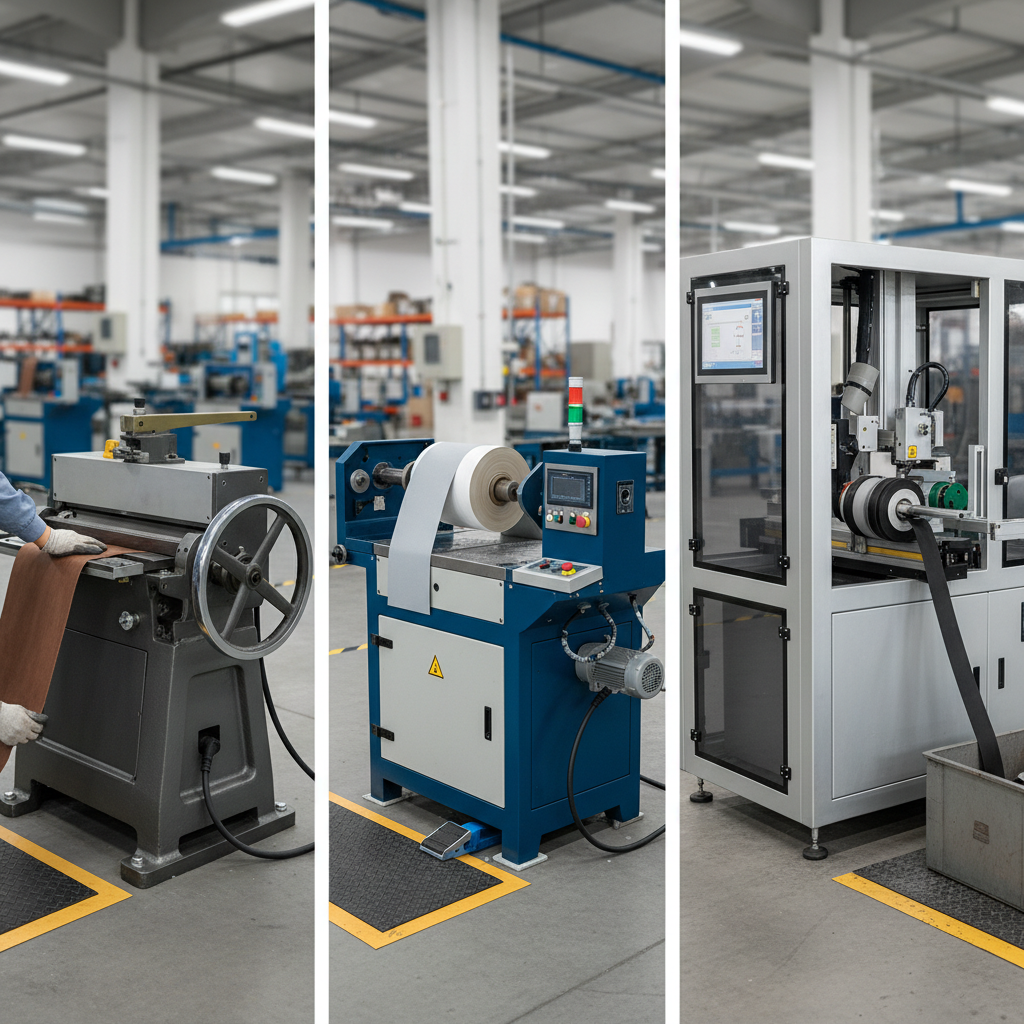
When selecting a belt cutting machine, understanding the different types available is crucial for meeting your production needs. Generally, there are several categories of belt cutting machines, including manual, semi-automatic, and fully automatic models. According to a 2021 market analysis by Research and Markets, the demand for fully automatic cutting machines has surged by 15% annually, driven by the need for increased efficiency and precision in manufacturing processes.
Manual belt cutting machines are often favored by small workshops due to their lower initial cost and simpler operation. However, they require more labor input and might not keep pace with higher volume production demands. In comparison, semi-automatic and fully automatic machines, which leverage advanced technologies such as computer numerical control (CNC), offer significant advantages in speed and repeatability. The International Journal of Machine Tools and Manufacture reported that businesses utilizing automatic systems improved their production efficiency by up to 30%, highlighting the economic benefits of investing in advanced equipment for larger scale operations. Understanding these distinctions helps businesses to choose a cutting machine that aligns with their specific operational requirements and budget considerations.
Evaluating Machine Size and Capacity for Your Production Needs
When selecting a belt cutting machine, one key factor is evaluating machine size and capacity in relation to your production needs. The size of the machine directly affects its ability to handle different materials and thicknesses. A compact model may be suitable for small-scale operations or workshops, while larger industrial models are necessary for high-volume production. Always consider the dimensions of the materials you'll be cutting and ensure the machine can accommodate them.
Another important tip is to assess the cutting capacity. This involves not only the maximum thickness the machine can cut but also its speed and efficiency. A machine with a higher capacity can save time and increase productivity, which is crucial in a fast-paced manufacturing environment. It's advisable to match your machine's cutting specs with your production goals. Closely analyze your workflow, as choosing a machine that aligns with your specific needs can drastically improve operational efficiency and output quality.
10 Essential Tips for Choosing the Right Belt Cutting Machine for Your Needs
| Machine Model |
Cutting Capacity (mm) |
Belt Width (mm) |
Weight (kg) |
Power (HP) |
Price ($) |
| Model A |
50 |
100 |
300 |
5 |
1500 |
| Model B |
75 |
120 |
450 |
7.5 |
2200 |
| Model C |
100 |
150 |
600 |
10 |
3000 |
| Model D |
125 |
200 |
800 |
12 |
4000 |
Important Safety Considerations When Choosing a Belt Cutting Machine
When selecting a belt cutting machine, safety should be at the forefront of your decision-making process.
One critical aspect is ensuring that the machine includes safety features such as emergency stop buttons and blade guards. These features can prevent accidents and protect users from potential injuries during operation. Furthermore, operators should be trained on the proper use of safety gear, such as gloves and goggles, to minimize risks associated with the cutting process.
Another key safety consideration is the machine's stability and design. A reliable belt cutting machine should have a sturdy construction to avoid tipping or movement during cutting, which can lead to significant injuries. Additionally, consider machines with safety interlocks that prevent operation when safety guards are not properly in place. It is essential to review the manufacturer's safety guidelines and any relevant safety certifications to ensure a secure working environment. Prioritizing these safety measures will help create a safer and more efficient cutting process, ultimately protecting operators and enhancing productivity.
Budgeting: Finding the Right Belt Cutting Machine Within Your Price Range
When selecting the right belt cutting machine, budgeting plays a crucial role in ensuring you find a model that meets your operational needs without straining your finances. Start by determining your budget range based on your specific requirements and the frequency of machine use. This analysis will help you narrow down your choices, allowing you to focus on machines that not only fit within your budget but also offer the functionalities you need.
Once you have a budget set, consider the long-term costs associated with the machines you are looking at. While it might be tempting to opt for the cheapest option available, it's essential to evaluate factors like durability, maintenance costs, and the availability of replacement parts. Investing in a reliable machine that may have a higher initial cost can save you money on repairs and downtime in the future. Additionally, research financing options or promotional deals from manufacturers, as they often provide flexible payment plans that can help you manage your budget more effectively while acquiring a quality belt cutting machine.