How to Cut a Conveyor Belt With a Grinder Effectively?
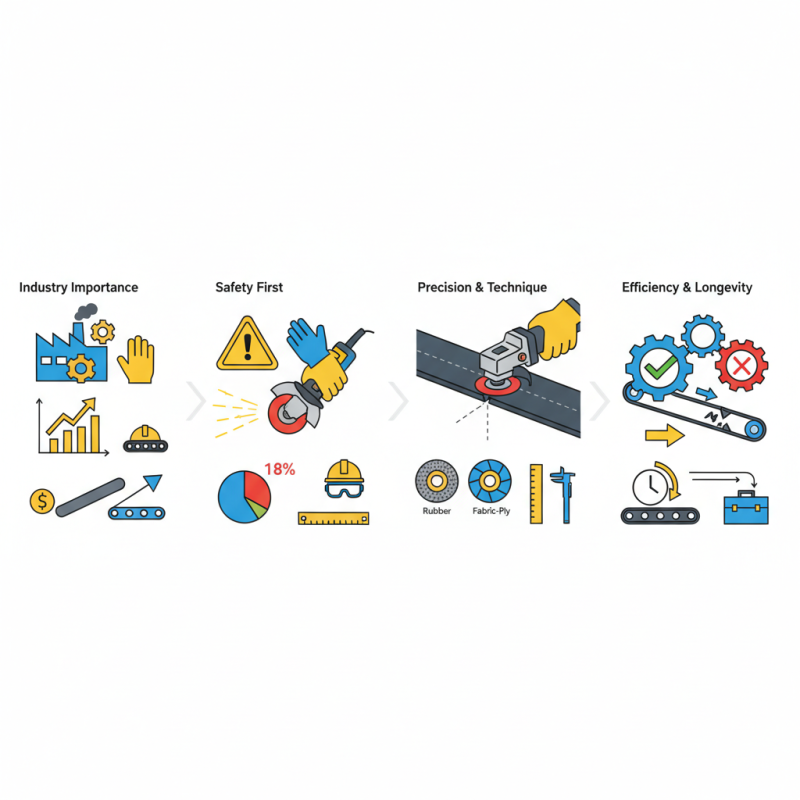
Cutting conveyor belts is an essential task in various industries. With the rise of automation, more emphasis is placed on maintaining and modifying equipment. The global conveyor systems market is projected to reach $9.4 billion by 2025, highlighting the importance of effective conveyor maintenance. Cutting conveyor belts with a grinder requires precision and skill, as improper techniques can lead to damage and costly downtime.
Many workers underestimate the dangers involved. According to industry reports, nearly 18% of conveyor-related accidents stem from improper maintenance. A grinder can be a powerful tool, but it can also cause injuries if not used correctly. It’s crucial to follow safety protocols and use the right equipment while attempting tasks such as cutting conveyor belts.
Effective cutting techniques can improve efficiency and safety. Using a grinder effectively involves choosing the right blade and technique for the material. Mistakes can lead to misalignment and increased wear on the conveyor system. Understanding the best practices for cutting conveyor belts with grinders can save time and resources, ensuring smoother operations in industrial environments.
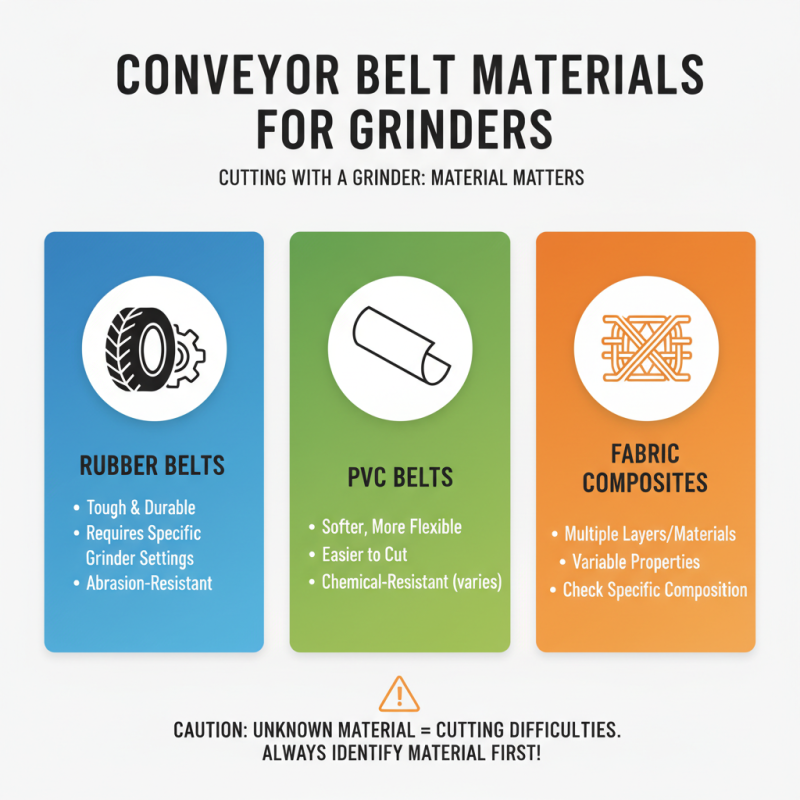
Understanding the Types of Conveyor Belt Materials for Grinders
When cutting a conveyor belt with a grinder, understanding the material is crucial. Different conveyor belts use various materials like rubber, PVC, and fabric composites. Each material has specific properties that affect how they should be cut. For instance, rubber belts can be quite tough. They may require different grinder settings compared to PVC. If you don’t know the material, you could face difficulties.
Tips: Always wear personal protective equipment. Cutting can create sparks and debris. Ensure your workspace is clear of flammable materials.
The cutting process can be messy. Dust and rubber shavings can accumulate. Cleaning as you go might help maintain visibility. Check your grinder's disc regularly. An appropriate disc will make cutting more efficient. The wrong one may dull quickly.
Tips: Test your grinder's effectiveness on a scrap piece first. It helps gauge how the belt will react. Don’t hesitate to adjust your technique based on what you observe.
Selecting the Right Grinder for Cutting Conveyor Belts
Selecting the right grinder for cutting conveyor belts is crucial for efficiency and safety. There are various types of grinders available. Each type has its unique strengths and weaknesses. For instance, an angle grinder can offer precision but might be challenging for some users. A bench grinder provides stability but may not be as versatile. It's essential to match the grinder with the specific type of conveyor belt you're working on.
Tips: Always ensure the grinder blades are sharp. Dull blades can cause jagged cuts and longer work times. Use protective gear to avoid injuries.
When choosing a grinder, consider the size of the belt. Larger belts may require a more powerful machine. Also, check for adjustable speeds. This feature can help you control the cutting process better. Remember, using the wrong tool can lead to inaccurate cuts. It often leads to frustration and wasted materials.
Tips: Take your time to practice cutting on scrap materials. This will help you gauge the grinder's effectiveness. Misjudgments during cutting can result in more problems later. Always keep your workspace clean and organized. It makes a significant difference in safety and efficiency.
Conveyor Belt Cutting Performance by Grinder Type
Preparation Steps Before Cutting the Conveyor Belt
Cutting a conveyor belt with a grinder requires careful preparation to ensure safety and effectiveness. Begin by gathering your tools and materials. You will need a suitable grinder, protective gear, and a measuring tape. Clear the workspace of any debris or obstacles. It’s crucial to have ample space to maneuver the grinder safely.
Next, measure the section of the belt to be cut. Mark the cutting line clearly. Using a straight edge can help ensure a straight cut. Double-check your measurements; mistakes here can lead to accidents. Always wear safety goggles and gloves. They protect against sparks and debris. If the belt is under tension, release it carefully to prevent sudden movement during cutting.
Finally, inspect the grinder. Ensure it's in good condition. Check the blade for wear and tear. An inappropriate blade can lead to uneven cuts. Take your time to assess everything. Rushing may cause problems. A focused mindset helps in executing a clean cut. Remember, safety is paramount, and being prepared can mitigate risks effectively.
Techniques for Efficient and Safe Cutting of Conveyor Belts
Cutting a conveyor belt with a grinder requires focus and technique for efficiency and safety. Start by securing the belt on a stable surface. Use clamps to hold it in place. This prevents any movement during cutting. Choose a grinder with a suitable cutting blade. A blade too fine might overheat. A wider blade can be more effective but could lead to rough edges.
When cutting, apply steady pressure. Too much force can cause the blade to bind. Make sure to maintain a consistent speed. Watch for sparks; they can fly unexpectedly. Always wear protective gear—gloves, goggles, and a dust mask are essential.
After cutting, inspect the edges carefully. Uneven cuts can interfere with the belt’s function. You may need to use a file to smooth sharp edges. Reflecting on the process helps identify areas for improvement. Maybe adjust your technique next time or choose a different angle. It's always about learning and enhancing your skills. Remember that safety should never be compromised, even in the quest for efficiency.
Post-Cutting Procedures and Belt Maintenance Tips
Cutting a conveyor belt is just the beginning. The post-cutting stage is crucial for ensuring the belt’s longevity. After a cut, inspect the ends for rough edges. Smooth these out using a grinder or sander. According to industry standards, a clean cut can reduce wear by up to 30%.
Belt maintenance involves more than just cutting. Regular inspections are critical. Check for signs of fraying or damage. Industry research indicates that about 20% of conveyor failures stem from neglecting maintenance. Keep the belt clean and free from debris. A cleaner belt operates more efficiently and can increase productivity by 15%.
Tips: Use a protective coating on the belt edges. This can shield it from moisture and dust. Consider issuing a maintenance schedule. Routine checks promote timely repairs and can extend the belt's lifespan. Remember, cutting is only one part of the maintaining process.