What is a Conveyor Belt Cutting Machine and How Does It Work?
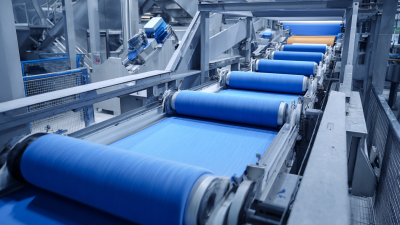
A Conveyor Belt Cutting Machine is vital in manufacturing industries. It simplifies the process of cutting conveyor belts into desired lengths and shapes. These machines are tools that enhance efficiency and accuracy.
These devices operate using powerful blades. They slice through various belt materials with ease. For instance, rubber and PVC can be cut quickly and precisely. However, potential errors can occur during adjustments, leading to waste or misalignment. Operators must pay close attention.
Understanding how a Conveyor Belt Cutting Machine functions is essential. It allows for improved workflows and reduces downtime. Yet, not all machines provide the same level of quality. Selection and maintenance are critical aspects that demand reflection. In conclusion, the effectiveness of these machines depends on proper usage and care.
What is a Conveyor Belt Cutting Machine?
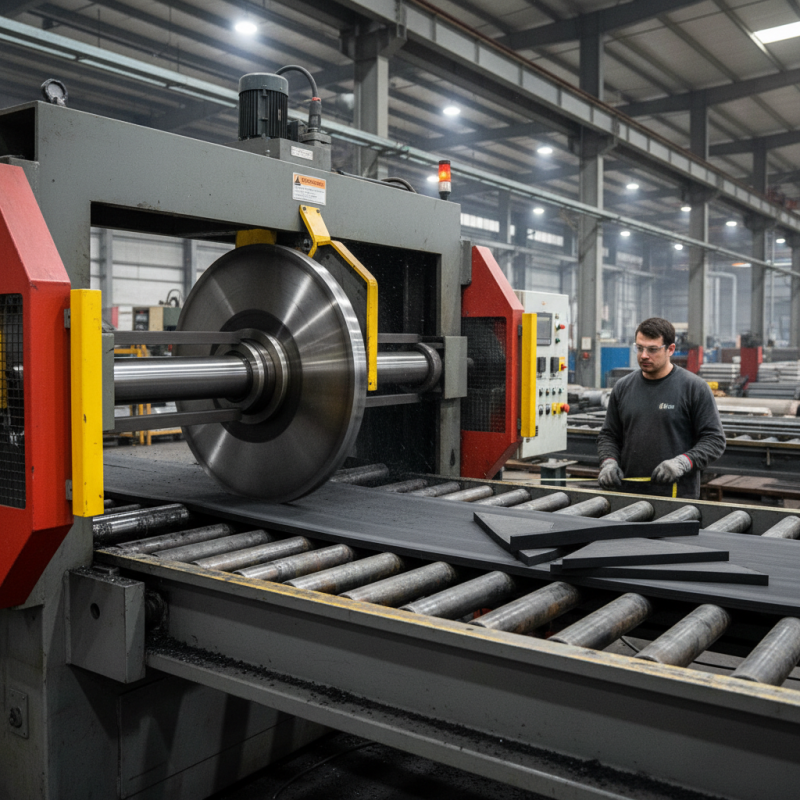
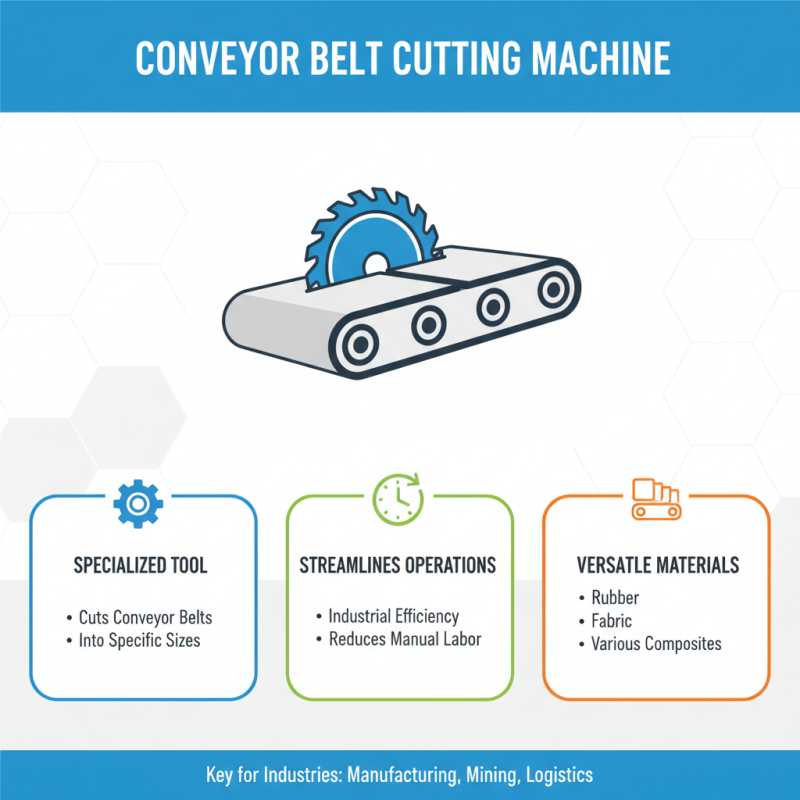
A conveyor belt cutting machine is a specialized tool designed for cutting conveyor belts into specific sizes. It streamlines operations in industries that require conveyor systems. These machines can efficiently handle various belt materials, including rubber and fabric.
The cutting process involves precise measurements and sharp blades. Different machines employ various mechanisms, such as automated systems or manual cutters. Some machines are designed for heavy-duty work, while others cater to lighter materials. Users must understand their specific needs to choose the right machine.
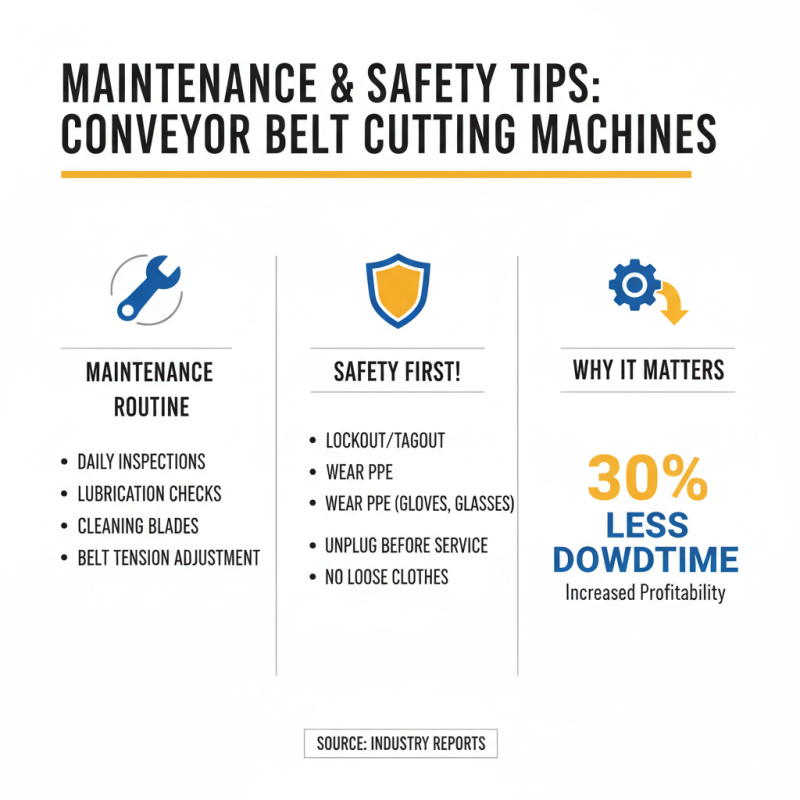
**Tip:** Always keep the blades sharp for clean cuts. Dull blades can lead to uneven edges and affect the belt's performance. Regular maintenance of the machine is essential for durability.
Setup and alignment are also crucial for optimal cutting. Even minor misalignments can cause significant issues. Operators should double-check measurements before cutting.
**Tip:** Don’t rush the setup process. Take your time to ensure everything is in place. This can save you from wasting materials and time. Reflect on past mistakes to improve future cuts.
Components of a Conveyor Belt Cutting Machine
A conveyor belt cutting machine plays a crucial role in various industries. It is designed to cut rubber, fabric, and other materials used in conveyor belts. Understanding the components of this machine is essential for optimal operation and efficiency.
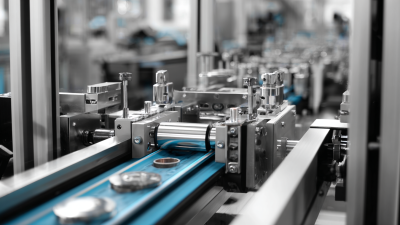
One key component is the cutting blade. It can be made of high-speed steel or carbide for durability. The blade’s sharpness directly impacts the clean cut of the material. Regular maintenance is needed to ensure cutting efficiency. Another important part is the control system, often equipped with programmable logic controllers (PLC). These systems enable precise cutting and reduce waste. According to industry reports, advanced control systems can improve productivity by up to 30%.
Additionally, the frame of the machine must be sturdy. A strong frame minimizes vibrations, allowing for smoother cutting operations. Many machines also have adjustable supports to accommodate different belt sizes. This flexibility is crucial, as conveyor belts come in various widths and thicknesses. Some operators often overlook the importance of regular inspections. Neglect can lead to unexpected breakdowns and downtime. Industry studies show that routine maintenance lists can increase machine lifespan by 20%.
How Conveyor Belt Cutting Machines Operate
Conveyor belt cutting machines are essential in many industries. They help cut materials into specific sizes. This process improves efficiency and reduces waste. Understanding how these machines operate can enhance productivity.
These machines use sharp blades for cutting. The conveyor belt moves the material into the cutting area. Operators adjust the settings based on the required dimensions. Safety features are crucial, but they aren’t foolproof. Operators must be vigilant to prevent accidents. Misalignment can cause uneven cuts. Regular maintenance is vital to keep the machines running smoothly.
The cutting process is relatively straightforward. Material feeds into the machine, where the blade engages. Sometimes, the blade needs sharpening. Dull blades can slow down production and affect quality. Operators often overlook this, leading to frequent issues. Monitoring performance metrics helps identify these moments. Proper training on machine operation is necessary, yet often underemphasized. A knowledgeable operator can make a significant difference.
Conveyor Belt Cutting Machine Usage by Industry
Applications of Conveyor Belt Cutting Machines
Conveyor belt cutting machines play a crucial role in various industries. They are essential for producing precise cuts on different materials. The need for efficiency in manufacturing drives the demand for these machines. In the automotive and aerospace sectors, conveyor belt cutting machines are integral to streamlining operations. Reports indicate that the market for cutting machines is projected to grow at a CAGR of 4.5% by 2027.
In the textile industry, these machines enable quick and accurate cutting of fabric. The average time saved in production can be up to 30%. Accurate cuts reduce waste, which is vital in times of rising material costs. In food processing, precise cutting ensures uniformity. This aspect can affect cooking time and presentation. Consumers today demand consistency. Meeting these expectations may necessitate further investment in advanced cutting technologies.
Logistics and packaging also benefit from conveyor belt cutting machines. Efficient cutting processes speed up the packaging of goods. However, the integration of these machines can sometimes lead to challenges. Operators must regularly maintain the machines to prevent breakdowns. It's essential to balance efficiency with reliability in production processes. The conversation around automation continues to grow, highlighting the need for ongoing innovation and adaptability in the industry.
What is a Conveyor Belt Cutting Machine and How Does It Work? - Applications of Conveyor Belt Cutting Machines
| Dimension |
Specification |
Applications |
| Cutting Width |
30 - 2000 mm |
Manufacturing, Recycling |
| Cutting Speed |
5 - 30 m/min |
Logistics, Material Handling |
| Power Consumption |
1 - 5 kW |
Industrial Production, Food Processing |
| Material Compatibility |
Rubber, PVC, Fabric |
Mining, Agriculture |
| Control System |
Digital, PLC-Based |
Textile, Automotive |