How to Choose the Right Belt Roll Cutting Machine for Your Business Needs
In the fast-paced world of manufacturing, selecting the right equipment is crucial for operational efficiency and product quality. One essential tool for businesses involved in the production of belts is the Belt Roll Cutting Machine. As noted by industry expert, John Smith, a seasoned engineer with over 20 years of experience in the field, "Understanding the specific needs of your production line is key when choosing the right Belt Roll Cutting Machine to enhance your workflow and meet market demands."
This statement underscores the importance of a tailored approach when investing in cutting machinery. Not all Belt Roll Cutting Machines are created equal; various factors such as material type, cutting speed, and machine automation level can greatly impact your production capabilities. The right selection not only boosts productivity but also aligns with your business goals, providing a competitive edge in the market.
In this guide, we will explore key considerations and features to evaluate when choosing a Belt Roll Cutting Machine, ensuring that your decision supports both your current needs and future growth. Whether you're a startup or an established manufacturer, the insights provided here will help you navigate the complex landscape of machinery choices with confidence.
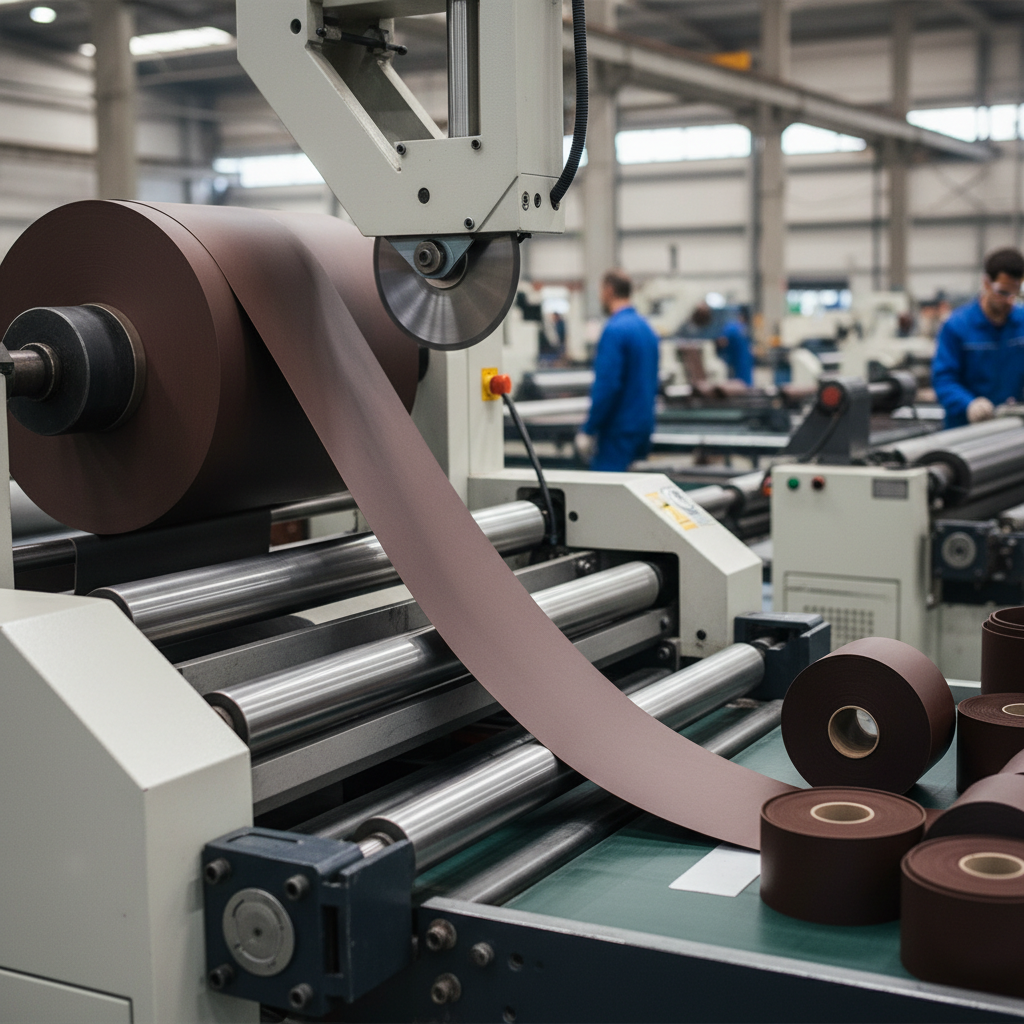
Understanding Your Business Requirements for Belt Roll Cutting Machines
When selecting a belt roll cutting machine, understanding your specific business requirements is paramount. According to a recent report by
MarketsandMarkets, the global belt manufacturing industry is projected to grow at a CAGR of 3.2% from 2021 to 2026. This growth emphasizes the need for efficient, high-quality cutting equipment tailored to production demands. Businesses must consider factors such as the thickness and type of materials they work with, as different machines are optimized for various specifications. For example, a machine designed for thicker polyester belts may not perform well with thinner materials like rubber.
Another critical aspect is the machine's cutting speed and precision. The International Journal of Industrial Engineering & Production Research highlights that precision cutting can reduce waste by up to 15%. This metric is crucial for businesses aiming to enhance operational efficiency and minimize costs. Moreover, considering the scalability of the machine is essential; as your production needs evolve, the ability to adapt your equipment will significantly impact long-term success. Thus, conducting a comprehensive analysis of these factors will provide a solid foundation for choosing the right belt roll cutting machine tailored to your business's unique requirements.
Key Features to Look for in a Belt Roll Cutting Machine
When selecting a belt roll cutting machine for your business, it's essential to focus on several key features that can enhance efficiency and productivity.
First, consider the machine's cutting accuracy. A reliable machine should offer precise cuts to reduce material waste and minimize rework. Look for machines equipped with advanced cutting technology that ensures uniformity in every roll, which is crucial for maintaining quality standards in your products.
Another critical aspect to evaluate is the machine's capacity and speed. Depending on your business needs, you may require a machine that can handle different thicknesses and widths of belt materials. Ensure the machine has adjustable settings to accommodate varying production sizes and can operate efficiently without compromising on quality.
Tips: Always check the machine's ease of use, including its control interface and maintenance requirements. A user-friendly machine can reduce training time and operational errors. Additionally, consider the warranty and customer support provided by the manufacturer, as this can be invaluable for troubleshooting and maintenance down the line.
Comparing Different Types of Belt Roll Cutting Machines on the Market
When selecting a belt roll cutting machine, it's crucial to understand the different types available in the market and how they align with your operational requirements. One of the main types is the manual cutting machine, which is ideal for smaller businesses or start-ups with limited production volumes. These machines are typically more affordable and easier to operate but may lack the precision and speed required for larger-scale operations.
In contrast, fully automatic belt roll cutting machines are designed for high efficiency and large-scale production. They offer advanced features such as pre-programmed settings and automated feeding systems, which significantly reduce labor costs and increase output. For companies that prioritize precision and consistent quality, investing in a digital cutting machine can provide the best results. These machines utilize computer numeric control (CNC) technology, ensuring precise cuts and complex patterns tailored to specific business needs. Each type of machine offers unique advantages, making careful comparison essential for optimizing production efficiency.
Comparison of Different Types of Belt Roll Cutting Machines
This chart provides a comparison of various types of belt roll cutting machines available in the market based on their cutting speed, precision, and cost. The data helps businesses identify which machine best fits their operational needs.
Evaluating the Cost vs. Benefit of Belt Roll Cutting Machines
When evaluating the cost vs. benefit of belt roll cutting machines for your business, it's essential to consider not just the initial investment but also the long-term advantages they offer. These machines can significantly increase productivity by streamlining the cutting process, allowing for precise cuts that minimize waste. This efficiency translates into lower operating costs over time, making the investment more justifiable.
Tips: When selecting a machine, assess your production volume and the types of materials you will be cutting. A machine that can handle a variety of materials may provide even greater value. Additionally, consider the level of support and maintenance offered by the manufacturer, as this can affect both uptime and overall satisfaction.
Another factor to evaluate is how the technology could integrate with your existing systems. For example, implementing advanced cutting machines alongside efficient inventory management can optimize your supply chain and reduce costs further. Always stay informed about ongoing advancements in technology, as manufacturers often release updates that enhance functionality and efficiency without significant additional investment.
Maintenance and Support Considerations When Choosing a Machine
When selecting a belt roll cutting machine, maintenance and support considerations are paramount. Regular maintenance is crucial, as studies from the Machinery Maintenance Institute indicate that poorly maintained machines can lead to up to 30% downtime in production processes. Choosing a machine from a manufacturer that offers comprehensive maintenance services and support can mitigate such risks. For instance, machines that have a robust support network enable businesses to receive timely repairs and regular servicing, which is essential for ensuring operational efficiency.
Additionally, understanding the availability of spare parts and technical support is vital. A recent report from the International Association of Machinery Manufacturers highlighted that businesses with readily available spare parts experience a 25% increase in machine longevity compared to those that do not. When assessing vendors for belt roll cutting machines, inquire about their support structure, response times for service requests, and the availability of technical documentation. Investing in a machine with a solid support framework can ultimately lead to a decrease in maintenance costs and an increase in overall productivity for your business.