How to Choose the Best Small Borehole Drilling Machine?
In the ever-evolving field of drilling technology, the demand for efficient Small Borehole Drilling Machines is on the rise. According to recent industry reports, the global market for borehole drilling is projected to reach over $4 billion by 2025. This growth highlights the increasing need for reliable and high-performance drilling solutions.
When selecting a Small Borehole Drilling Machine, various factors come into play. These machines are crucial for applications in agriculture, mining, and environmental studies. However, not all machines are suitable for every task. It's essential to consider aspects like drilling depth, soil conditions, and portability. Each of these factors significantly impacts operational efficiency and project outcomes.
Investing in the wrong equipment can lead to increased costs and project delays. The options available often seem overwhelming. Therefore, a critical evaluation of features and specifications is necessary for anyone looking to choose the best option. Balancing expert advice with personal research can mitigate risks. This approach ensures that the chosen Small Borehole Drilling Machine aligns well with specific project requirements.
Understanding Small Borehole Drilling Machines: An Overview of Types
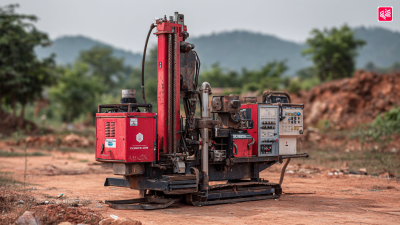
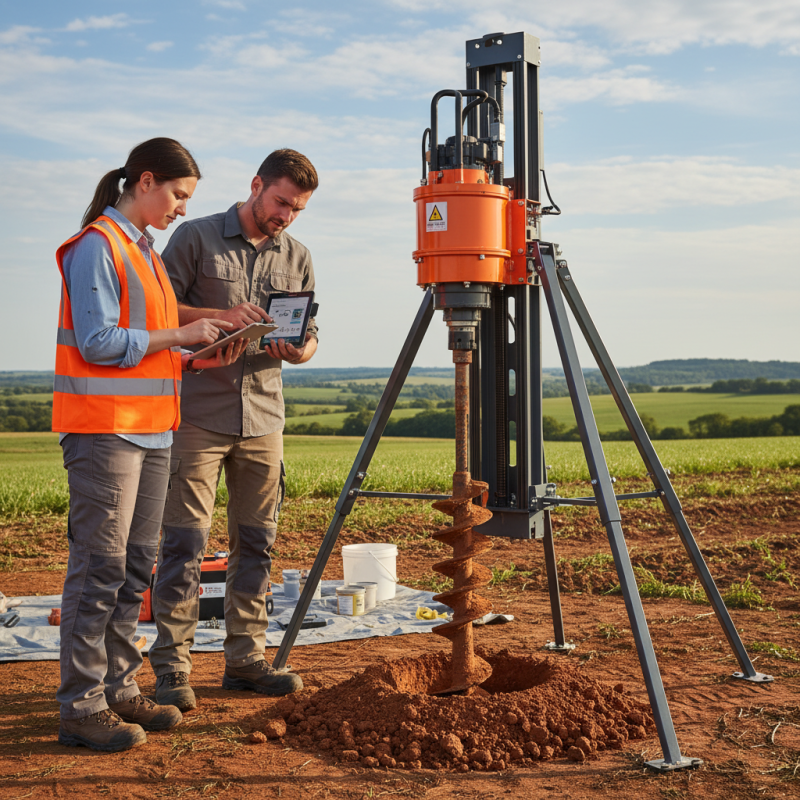
When choosing a small borehole drilling machine, understanding the different types is essential. There are various designs and functions available. Each type serves specific purposes, such as water well drilling, geothermal drilling, or mineral exploration. Portable machines are great for small-scale operations. They are easy to transport and set up, making them appealing for DIY enthusiasts and small contractors. In contrast, larger models deliver higher capabilities for more extensive projects.
Tips for selecting the right machine include assessing the soil type in your area. Different soils require different drilling techniques. Also, consider your project's depth requirements. If you need to reach deeper formations, ensure the machine you choose can handle that.
Reliability and performance should also be top priorities. Reading user reviews can provide insights into a machine's long-term reliability. Do not overlook customer service either. A manufacturer that offers solid support can make a significant difference when issues arise. Remember, investing in a more reliable model now can save you time and money in the long run.
How to Choose the Best Small Borehole Drilling Machine?
| Type |
Drilling Depth (m) |
Weight (kg) |
Power Source |
Typical Use |
| Manual Borehole Drill |
10 |
15 |
Human Power |
Small Scale Water Wells |
| Auger Drill |
20 |
30 |
Electric |
Geothermal Installation |
| Rotary Drill |
50 |
100 |
Diesel |
Commercial Drilling |
| Pneumatic Drill |
30 |
70 |
Air Compressor |
Mining Exploration |
| Compact Drill |
15 |
25 |
Battery |
Garden/Borehole |
Key Factors to Consider When Choosing a Borehole Drilling Machine
When selecting a small borehole drilling machine, several key factors play a crucial role in ensuring efficiency and effectiveness. One of the primary considerations is the drilling depth capability. You need to know how deep you plan to drill. Machines vary in depth capacity, and understanding your needs can prevent costly mistakes.
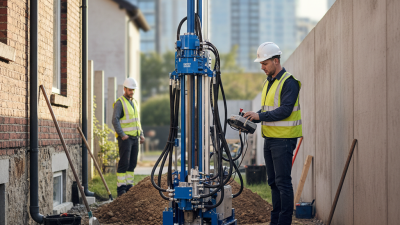
Another important factor is mobility. If your drilling site has limited access, a compact and lightweight machine may be essential. Many small machines offer excellent portability. However, they might lack the power of larger counterparts. Assess your project requirements honestly.
**Tips:** Regular maintenance of your drilling machine significantly extends its lifespan. Look for machines with easy access to parts for repairs. Always check reviews and feedback from previous users. This can provide valuable insights into performance and reliability. Testing machines in real conditions might also reveal their limitations.
Overall, considering these elements can help you make a more informed choice. Each project has unique challenges. Remember that what works for one may not work for another. Be mindful of your specific needs and budget.
Analyzing Performance Metrics: Depth, Diameter, and Efficiency Ratios
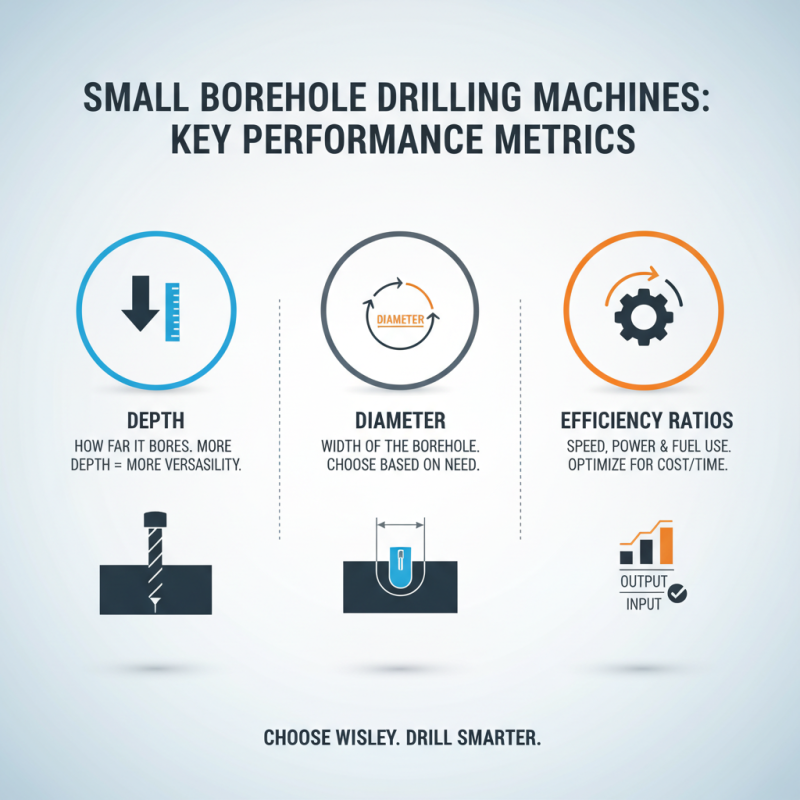
Choosing the right small borehole drilling machine involves evaluating key performance metrics. Depth, diameter, and efficiency ratios are vital to understand before making a purchase. Depth refers to how far the machine can bore into the ground. A machine that reaches substantial depths will often be more versatile for various projects.
Diameter plays a critical role too. A wider diameter can facilitate larger installations. However, larger diameter machines may sacrifice depth capabilities. You need to assess the specific requirements of your projects. Keep in mind, though, that opting for wider drilling can lead to increased time and resources spent on maintenance.
Tips: Consider evaluating the efficiency ratios of different machines. This metric highlights how much energy and time is required for a certain task. Machines with higher efficiency ratios often result in lower operational costs. Also, think about your experience with similar equipment. If you're just starting, investing in a machine that has a balance of depth and diameter might be wise. Reflect on your long-term needs. Sometimes, bigger isn't always better.
Comparative Analysis of Leading Brands and Their Specifications
When choosing the best small borehole drilling machine,
understanding the specifications of leading brands is essential. Key features include the
motor power, drilling depth, and portability. These elements significantly influence
efficiency in different types of soil or rock.
Many models vary in weight, which affects maneuverability on job sites. Some lighter
machines are easier to transport but may sacrifice drilling strength.
In-depth comparisons often reveal trade-offs between performance and ease of use. For
instance, a robust motor can handle tough terrain but might be heavier, making it a
challenge to transport. Another consideration is the drill bit type. Different materials
and designs serve distinct drilling purposes. Assessing user reviews can provide insight
into real-world performance. However, be cautious—what works for one user
may not suit another's needs.
Battery life and operational simplicity also weigh heavily in decision-making. Some
advanced models offer longer battery life and user-friendly
interfaces. Yet, technology can also introduce complexity. New users might struggle with
machines that have extensive features. Balancing advanced capabilities with straightforward
usage is crucial. Reflecting on these aspects will help narrow down choices effectively.
Budgeting for Your Borehole Drilling Project: Costs and ROI Considerations
Budgeting for your borehole drilling project is crucial. The costs can vary widely, depending on several factors. Assess the soil type, depth required, and location. These factors influence the machine's specifications and the overall budget.
Costs often include equipment rental, labor, and permits. Unexpected expenses may arise. It’s essential to allocate funds for contingencies. Some may overlook maintenance costs. Regular checks can prevent larger issues in the future.
Considering ROI is just as vital. Water quality can enhance agriculture or household use. Evaluate how long it takes to recoup costs. Areas with a high water demand often yield quicker returns. Research the potential benefits before diving into the project. Each step can significantly impact the project's success.
This chart illustrates typical cost components and expected return on investment (ROI) when selecting a small borehole drilling machine. Initial equipment costs dominate the budget, followed by operational and maintenance expenses. Water yield reflects daily output capacity influencing overall project profitability, while ROI percentage indicates the potential financial return relative to total investment.