How to Choose the Best High Speed Air Drill for Your Needs?
Choosing the right High Speed Air Drill can be challenging. With many options on the market, knowing which features matter most is crucial. A High Speed Air Drill is not just about speed; it’s also about precision and efficiency.
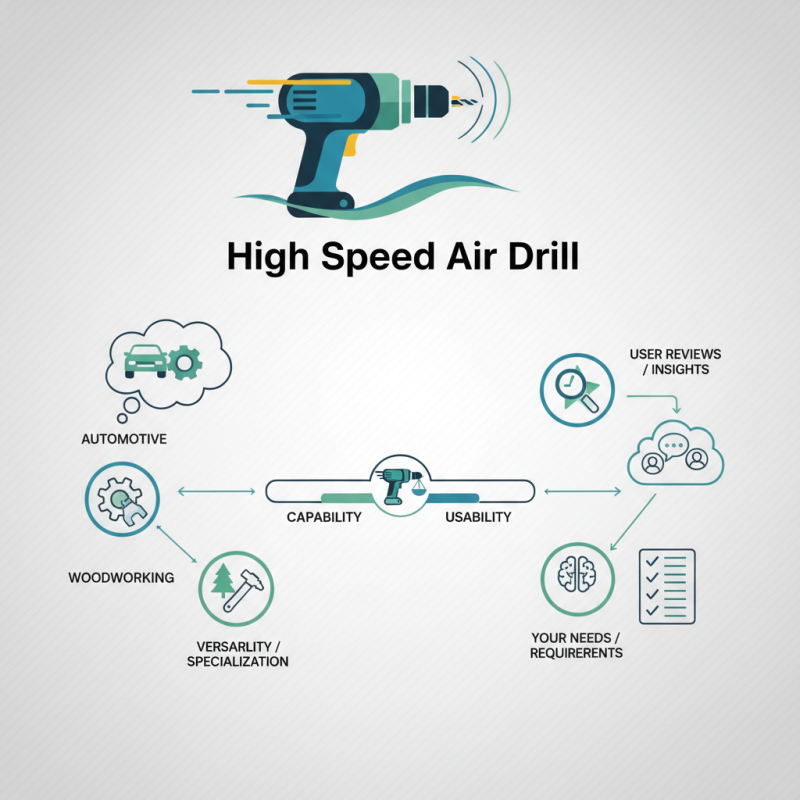
Consider your specific needs. What materials will you be working with? Do you need a versatile tool or a specialized one? Some drills excel in automotive work, while others are better for woodworking. Take time to evaluate these factors carefully.
User reviews can also provide valuable insights. They can highlight strengths and weaknesses that you might not consider. However, remember that individual experiences may vary. Reflecting on your requirements is essential for making the right choice. Selecting a High Speed Air Drill is about finding a balance between capability and usability.
Understanding Different Types of High-Speed Air Drills Available
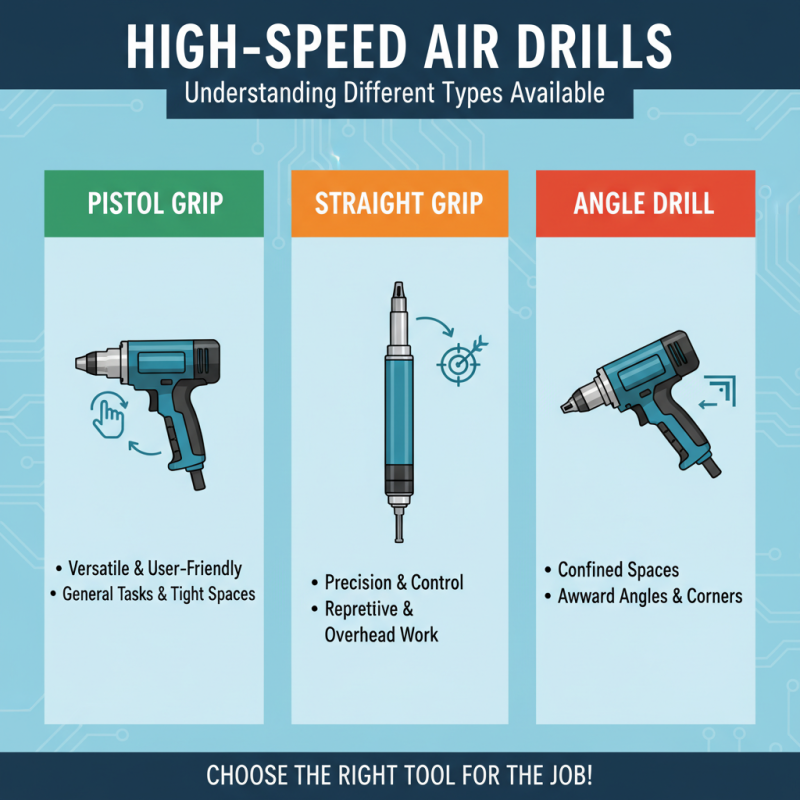
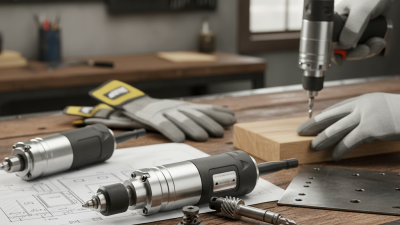
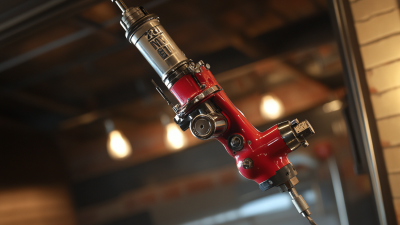
When choosing a high-speed air drill, it's essential to understand the various types available. Each type serves unique purposes and has distinct features. Common types include pistol grip, straight grip, and angle drills. Pistol grip drills are versatile and user-friendly, making them ideal for general tasks. Their design allows for better control during operation, especially in tight spaces.
In contrast, straight grip air drills are often used for precision work. They provide better access to hard-to-reach areas. Angle drills are another type, popular in automotive and construction settings. Their angled heads allow users to work efficiently in confined spaces. According to a report from the Industrial Fasteners Institute, over 30% of professionals prefer angle drills for their efficiency in tight spots.
However, selecting the right drill can be tricky. Performance should be evaluated based on RPM and torque ratings. High-speed air drills can reach up to 30,000 RPM, making them ideal for tasks requiring speed. But, higher speeds can lead to overheating. Understanding the balance between speed and control is crucial. Many users report difficulties managing drills at maximum speeds, leading to inconsistent results.
Key Features to Consider When Choosing an Air Drill
When selecting a high-speed air drill, essential features can make a significant difference. The drill's RPM, often a crucial indicator of speed, should be carefully considered. A higher RPM typically equals faster drilling. However, speed alone isn't enough. The torque rating is equally important. Too much speed without sufficient torque might lead to inefficient drilling.
The drill's weight and ergonomics also play a vital role. A lightweight drill reduces stress on the user during prolonged use. An ergonomic handle can lessen hand fatigue, improving overall control. Look for models with adjustable speed settings. This allows better precision for various materials. If precision is overlooked, you may end up with sloppy work.
Durability matters as well. Choosing robust materials can extend the life of your air drill. Don't forget about the air consumption rate. A tool that requires excessive air could strain your compressor. This could lead to operational inefficiencies. It's essential to balance speed, torque, and reliability. Each factor impacts your overall efficiency and finish quality.
Assessing Power and Speed Requirements for Your Projects
When selecting a high-speed air drill, understanding power and speed requirements is crucial. A recent industry report indicates that for most industrial applications, drills need to achieve speeds between 2,000 and 25,000 RPM. This range allows for optimal drilling in various materials, from soft metals to hardwoods. However, not every project demands the highest speed. It's common for users to overlook the actual requirements of their tasks, which can lead to inefficiency.
Assessing your specific needs can enhance performance. For example, soft materials typically require lower speeds combined with higher torque. Conversely, harder materials benefit from higher RPMs but may need reduced torque. A study published in the Journal of Manufacturing Science highlights that improperly matched power can cause premature wear on both the drill and the workpiece. Understanding these dynamics empowers users to choose the right tool for their unique applications.
It's essential to reflect on your typical tasks. Do you often switch between materials? Are there instances where your drill struggles? Such questions can reveal gaps in your current selection. The ideal high-speed air drill should align with your practical needs, rather than exceeding them unnecessarily. By prioritizing the right combination of power and speed, users can achieve better results and prolong tool life.
Evaluating Brands and Customer Reviews for Reliability
When selecting a high-speed air drill, evaluating brands and customer reviews is crucial. Industry data shows that over 70% of buyers rely on reviews before making a purchase. High ratings often correlate with product longevity and efficiency. However, not all customer feedback is reliable. Some reviews may be skewed by bias or lack of experience. It’s crucial to look for detailed accounts rather than simply star ratings.
Tips: Focus on high-quality reviews that discuss performance specifics. Pay attention to the longevity of drills under various conditions. These insights can offer a clearer picture of a product's reliability.
Brand reputation also plays a significant role. Products from brands with a history of reliability and customer service often score higher in satisfaction. According to a recent survey, 68% of customers experienced fewer issues with well-known brands. However, newer brands may provide innovative features at competitive prices. Consider the trade-off between established reliability and potential value from emerging brands.
Tips: Examine warranty details and post-purchase support when comparing options. Explore forum discussions where users share real experiences. This can uncover strengths and potential shortcomings not mentioned in formal reviews.
High Speed Air Drill Performance Comparison
Budgeting for Your High-Speed Air Drill Purchase and Maintenance
When budgeting for a high-speed air drill, consider both the initial cost and long-term expenses. Industry reports suggest that upfront costs can range from $100 to $500, depending on features and durability. However, neglecting maintenance can lead to higher repair costs in the future. Regular maintenance, such as lubricating parts, can significantly extend the tool's lifespan. Ignoring these factors may result in unexpected expenses.
In addition, factor in air compressor costs. A properly matched compressor is crucial for efficiency. Insufficient air supply can affect the drill's performance, leading to inefficiencies and wasted material. According to a study by the National Association of Manufacturers, businesses can save up to 35% on operational costs by optimizing their tools' performance. Investing in training for proper usage also pays off, enhancing workforce productivity.
Quality often comes with a price. Cheaper models might save money initially but can compromise performance and reliability. Some users report frequent breakdowns and increased repair costs. Research indicates that investing an extra 10-15% upfront can triple the lifespan of the equipment. Evaluating total cost of ownership versus initial investment is essential for making an informed decision.