How to Choose the Best Electric Leather Strap Cutter?
Choosing the right Electric Leather Strap Cutter can be a daunting task. With numerous options on the market, it’s essential to understand what truly makes a cutter effective. The best tools are those that reflect quality, durability, and ease of use. Each feature can impact your leather crafting experience significantly.
When evaluating an Electric Leather Strap Cutter, consider the blade material and design. A sharp, high-quality blade can ensure clean cuts. Also, think about the cutter's motor power. A robust motor can handle tough leather without straining. Weight and ergonomics play a role too. A comfortable grip allows for prolonged use without fatigue.
Reflect on your specific needs, whether for crafting, repairs, or production. Your skill level should guide your choice as well. A beginner might seek simplicity, while an experienced user might prefer more advanced features. Prioritize reliability; poor tools can lead to frustration and wasted materials. Ultimately, investing time in research will pay off when you're ready to unleash your creativity.
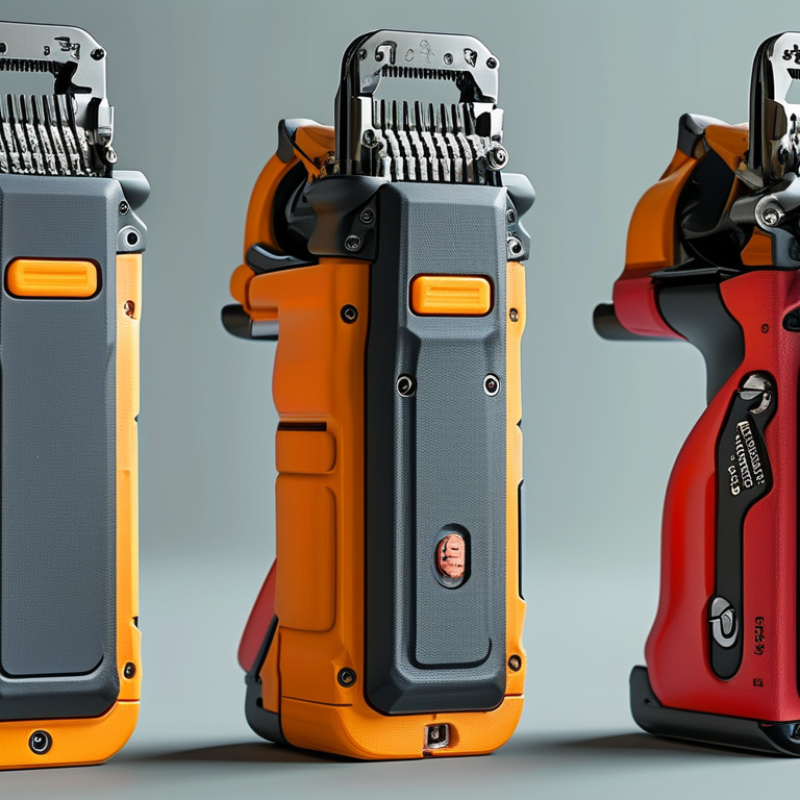
Understanding the Basics of Electric Leather Strap Cutters
When choosing an electric leather strap cutter, it's essential to understand how these tools operate. These devices use a rotating blade to make precise cuts. The cutting speed can vary, allowing for adjustments based on your material's thickness. This feature is crucial when working with different types of leather.
Electric leather strap cutters enhance efficiency. However, they come with a learning curve. New users might struggle with setting the right speed. Misalignment can lead to uneven cuts, frustrating those who strive for perfection. Practice is necessary to master the tool.
Safety is another vital aspect to consider. Always wear protective gear while operating the cutter. Electric tools can pose risks if not used properly. Regular maintenance is also important. Dull blades can affect cut quality. This requires attention to ensure your cutter remains in top condition. Understanding these basics can help in making an informed purchase.
Key Features to Consider When Choosing an Electric Cutter
When selecting an electric leather strap cutter, several key features are essential to ensure optimal performance. Blade quality is crucial. A sharp, durable blade makes clean cuts, preventing fraying. Look for cutters with replaceable blades. This feature extends the life of the tool and can save money over time.
Ergonomics can significantly impact your experience. Choose a cutter that fits comfortably in your hand. An easy-to-use design minimizes fatigue during extended use. While powerful motors are attractive, they may lead to overheating. Make sure the cutter has a reliable cooling system to enhance its longevity.
Power is not everything. Strike a balance between speed and precision. Fast cutting can sometimes compromise accuracy, which is often overlooked. Check user reviews; they can provide insights into real-world performance. Consider your specific needs before purchasing. Reflection on your usage patterns can guide your choice effectively.
Comparing Different Types of Electric Leather Strap Cutters
When selecting an electric leather strap cutter, it’s vital to understand the different types available. Generally, these cutters can be categorized into rotary, oscillating, and knife-type models. Each type has its strengths and weaknesses, impacting precision and ease of use. For example, rotary cutters offer a smoother cut but may struggle with thicker leather. Reports indicate that around 35% of leatherworkers favor oscillating cutters due to their efficiency in handling diverse materials.
In addition to type, consider the blade quality and replacement options. Higher-end blades deliver consistent results, which is crucial in professional settings. A study highlighted that 70% of users noted improved productivity when using premium blades. However, affordability is an ongoing challenge, leading some to compromise on quality for budget constraints. This trade-off warrants reflection on long-term costs versus initial savings.
Ergonomics also play a crucial role in user comfort over extended periods. Reports suggest that cutters with adjustable handles and lightweight designs reduce fatigue. Despite the various options, some users frequently encounter issues with mobility or ease of adjustment, emphasizing the need for careful evaluation. Each choice ultimately shapes both the quality of work and the artisan's experience.
Evaluating Brand Reputation and Customer Reviews
When choosing an electric leather strap cutter, brand reputation plays a critical role. Reliable brands have established trust through quality products and customer satisfaction. Look for brands with several years in the market. They often have refined their products through feedback and experience. A well-regarded brand tends to have a consistent track record of performance.
Customer reviews provide insight that's invaluable. Reading reviews allows you to understand real experiences from users. Look for comments on durability and efficiency. Detailed reviews often highlight specific features that customers value. Pictures posted by users can show how effective the product really is. However, it’s important to consider patterns in the reviews rather than relying solely on one or two opinions. Some reviewers may have higher expectations that are not practical for all users.
Be cautious of overly positive reviews, which might feel scripted. A mix of good and bad feedback often gives the most honest picture. Consider the frequency of complaints. If multiple users note the same issue, it's worth taking seriously. Engaging directly with user communities can also shed light on less obvious concerns and tips. This helps in making a more informed decision.
Maintenance Tips for Prolonging the Life of Your Cutter
Proper maintenance is crucial for extending the life of your electric leather strap cutter. Always start by cleaning the cutting blade after each use. Dust and debris can accumulate, affecting the cutter's efficiency. A small brush or cloth works well for this task. Regularly inspect the blade for any nicks or dullness. Sharp blades not only cut better but also enhance safety during use.
Next, lubricate the moving parts regularly. A few drops of suitable oil can prevent rust and ensure smooth operation. Pay attention to any unusual noises when the cutter is running. This could indicate a need for further checks. Lastly, store your cutter in a dry environment. Humidity can hasten deterioration.
Make it a habit to refer to the user manual for specific maintenance instructions. Adhering to these tips will help keep your cutter in working condition. Regular attention is key. Small oversights in maintenance can lead to significant issues later.