Choosing the right High Speed Air Drill is not just about finding the highest revolutions per minute. The best tool depends on the material, hole size, work pace, and conditions at the bench or jobsite. A compact drill may handle light assembly, while repeated drilling in tougher materials can call for a different chuck, motor capacity, and air supply. Small details matter.
Before comparing models, check the manufacturer’s rated speed, air consumption, operating pressure, and recommended duty cycle. These figures help you match the drill to your compressor and avoid disappointing performance. A drill that spins quickly may still struggle if the air hose is undersized or the compressor cannot keep up. Listen for speed loss under load. It tells you something.
Comfort deserves a close look, too. Grip shape, trigger control, tool weight, and vibration affect how confidently you can guide a bit through a marked hole. For work in tight spaces, overall length and access to the chuck may matter more than impressive specifications. Wear appropriate eye and hearing protection, secure the workpiece, and follow the tool maker’s operating and maintenance instructions. These are practical basics, but they are easy to overlook.
This guide explains how to compare speed, torque, air requirements, ergonomics, and durability for your intended tasks. No single drill is best for every shop. Even a careful choice can miss the mark if real working conditions differ from the product description. Use specifications as a starting point, then consider your own materials, compressor, and daily workload.
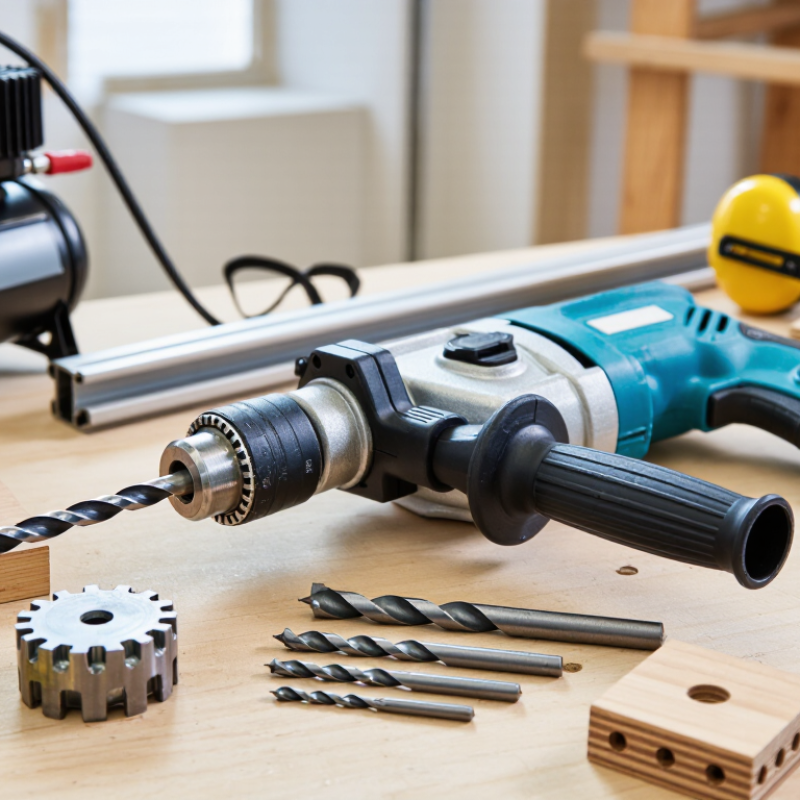
How to Choose the Best High Speed Air Drill? Start by naming the actual task: pilot holes, repeated production drilling, or occasional repair work. Then list the materials and their thicknesses.
Aluminum and thin sheet metal need a different touch from hardwood or stainless steel. For example, a small hole in thin sheet can tear if feed pressure is too high. A larger hole in dense material may need slower speed and steady torque. One tool rarely handles every job equally well.
Match the drill’s speed, chuck capacity, and air demand to the workpiece and duty cycle. Check the required operating pressure and airflow against your compressor’s delivered capacity, not just its tank size.
The U.S. Department of Energy’s compressed-air sourcebook reports that compressed air accounts for about 10% of industrial electricity use, though the share varies by facility. That makes leaks and undersized supply lines worth checking. I might overfocus on speed here; in real use, a weak air supply can matter more.
Consider noise, vibration, access, and operator control, too. A compact drill may reach a tight bracket, but can feel awkward during long runs. NIOSH recommends limiting occupational noise exposure to 85 dBA over eight hours, using a 3-dB exchange rate. Check measured tool noise and wear suitable hearing protection. Also test the drill on scrap of the same material. A quick trial can reveal wandering, rough edges, or a feed rate that feels too aggressive. Small details count.
Choosing the best high speed air drill starts with matching speed to the material, bit diameter, and workpiece stability. In field use, high RPM feels productive, but excessive speed can burn edges and dull cutting tools. Thin sheet metal often benefits from 2,000–3,500 RPM, especially with small bits and controlled pressure. Larger bits need slower rotation and more torque. Wood and composites may tolerate higher speed, yet heat still matters around coated surfaces. Check the drill’s rated speed under load, not only its unloaded figure. That difference is easy to miss.
Torque determines whether the drill keeps turning when resistance rises. For pilot holes, light torque and responsive control usually feel safer. For larger holes, dense hardwood, or layered panels, choose stronger torque and a throttle that opens gradually. Chuck capacity must match your regular tooling. A 10 mm chuck suits many general bits, while a 13 mm chuck accepts larger shanks and handles heavier work. However, capacity alone does not prove performance; spindle accuracy and chuck grip matter too.
I have seen operators select the biggest chuck, then use tiny bits all day. It added weight without improving results. Air consumption also deserves a practical check. A powerful drill may slow down if the compressor cannot maintain pressure during continuous drilling. Test several holes in the actual material, and record speed loss, heat, and bit movement. One short trial can expose assumptions that a specification sheet hides.
A high-speed air drill performs well only when it receives enough air at the required pressure. Check the drill’s rated air consumption, usually listed in cubic feet per minute (CFM), and its recommended operating pressure. Then compare those figures with your compressor’s delivered CFM at that pressure. Tank size alone can mislead; a large tank may still struggle to keep up during continuous drilling.
Think about the work, not just the tool label. Drilling repeated holes in a metal panel demands steadier airflow than making one brief hole in a thin sheet. A narrow, long hose or restrictive couplings can also reduce air reaching the drill. Use a suitable hose diameter, check for leaks, and confirm the compressor can handle other tools running at the same time. In practice, setups rarely match ideal conditions perfectly, so leave some capacity in reserve.
Tips: Read the tool’s air requirements before buying. Compare compressor output at the stated pressure, not its maximum rating. If the drill slows during use, pause and let the compressor recover. Check the regulator and hose connections, too. Small leaks matter. A quick test with the actual hose and fittings can reveal problems that specifications miss.
How to Choose the Best High Speed Air Drill?
A high speed air drill should feel stable before it feels powerful. I once favored the lightest tool on a production job, but its narrow grip caused wrist tension. That choice was incomplete. A rounded, non-slip handle supports a neutral wrist and reduces forced squeezing. NIOSH guidance identifies 85 dBA over eight hours as a recommended exposure limit, so check the drill’s measured noise level before extended use. A quiet tool can improve communication and concentration.
Weight also needs context. A 1.0-kilogram drill may seem ideal, yet poor balance can make it feel heavier. Hold the tool at shoulder height for one minute. Notice pressure in your fingers, wrist, and elbow. Controls should remain reachable without releasing the grip. A forward-reverse switch, variable-speed trigger, and clear throttle response improve control around thin metal or delicate surfaces. Small details matter.
Accessory compatibility is less obvious. Confirm the chuck size, spindle thread, rated speed, and required air volume. Never judge compatibility by appearance alone. ISO 28927-5 provides methods for measuring vibration from drilling tools, while the European vibration action value is 2.5 m/s² over an eight-hour reference period. Ask for test data, not vague claims. One more practical check: match the drill’s air demand with the compressor’s delivered flow, not its advertised tank size. I still find this step easy to overlook.
How to Choose the Best High Speed Air Drill?
Durability starts with the housing, spindle, bearings, and trigger assembly. A drill should feel balanced, not heavy at the nose. Check for sealed bearings, corrosion-resistant surfaces, and a chuck that closes without rough spots. ISO 11148 sets safety requirements for handheld non-electric tools, including pneumatic drills. Compliance does not guarantee long service life. It only establishes a baseline.
Safety needs practical testing. OSHA’s noise standard sets an 85 dBA action level for hearing conservation and a 90 dBA eight-hour permissible exposure limit. High-speed drilling can reach these levels quickly, especially inside metal enclosures. Use hearing protection, eye protection, gloves suited to the task, and a secure workpiece. A safety throttle or automatic shutoff can reduce accidental starts. Small details matter.
Maintenance determines whether performance stays stable. Install clean, dry air and inspect the filter, hose, fittings, and exhaust path before each shift. The U.S. Department of Energy reports that compressed-air leaks can waste 20–30% of compressor output. A leaking fitting may therefore reduce drill speed while increasing operating cost. Lubricate only as the tool maker specifies; excess oil can contaminate the work area. Keep a simple log of vibration, noise, temperature, and repair dates. It is imperfect, but memory is worse. A drill that sounds slightly different deserves inspection, not wishful thinking.