Why Choose a Small Borehole Drilling Machine for Your Project?
In recent years, the demand for efficient drilling solutions has surged. Industries ranging from construction to environmental studies often require precision and reliability. This is where the Small Borehole Drilling Machine comes into focus. According to a study by the Global Market Insights, the borehole drilling market is expected to grow at a CAGR of over 4.5% through 2026.
The Small Borehole Drilling Machine stands out for its versatility. It can be used in tight spaces where traditional drills cannot operate. Many projects require minimal disruption to the surrounding area. Therefore, the smaller footprint of such machines becomes a crucial advantage. Moreover, these machines are often easier to transport and set up. This leads to reduced costs and time on-site.
However, using a Small Borehole Drilling Machine is not without challenges. Some may find limitations in depth and diameter capabilities. Regular maintenance is also essential to ensure optimal performance. While these factors need consideration, the benefits in many projects often outweigh the downsides. Investing in a small borehole solution can yield substantial returns if approached carefully.
Overview of Small Borehole Drilling Machines and Their Applications
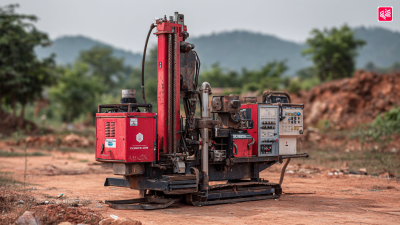
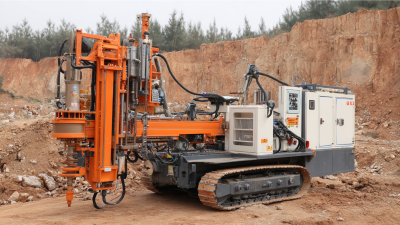
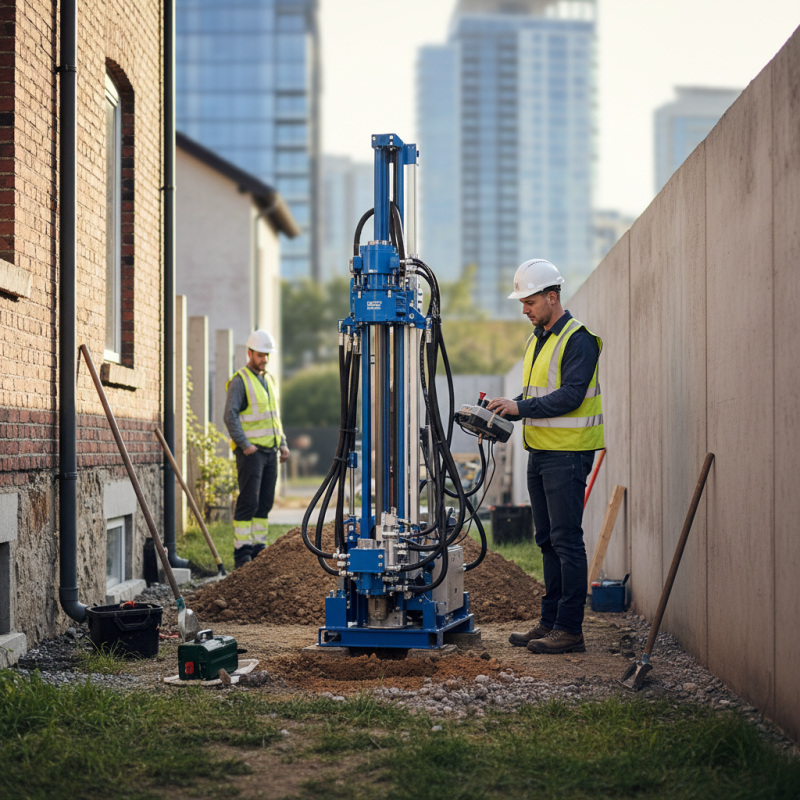
Small borehole drilling machines are essential tools in various industries. They excel in projects where space is limited. Their compact size allows for effective operation in challenging environments. This feature is particularly useful in urban construction sites. Small borehole rigs can navigate tight spots, making them ideal for residential and commercial use.
These machines find applications in geotechnical investigations and environmental studies. They are often used for groundwater monitoring and soil sampling. The accuracy of small borehole drilling can greatly influence project outcomes. However, practitioners must be aware of their limitations. Smaller rigs may struggle with harder soil types or deep drilling. This can lead to delays and increased costs.
Operators need to assess site-specific conditions. They should be ready to adapt their strategies accordingly. Sometimes, using a small borehole machine may not be the best choice. Understanding when to switch to larger equipment is crucial. This reflection can enhance efficiency and project success.
Advantages of Using Small Borehole Drilling Machines in Various Projects
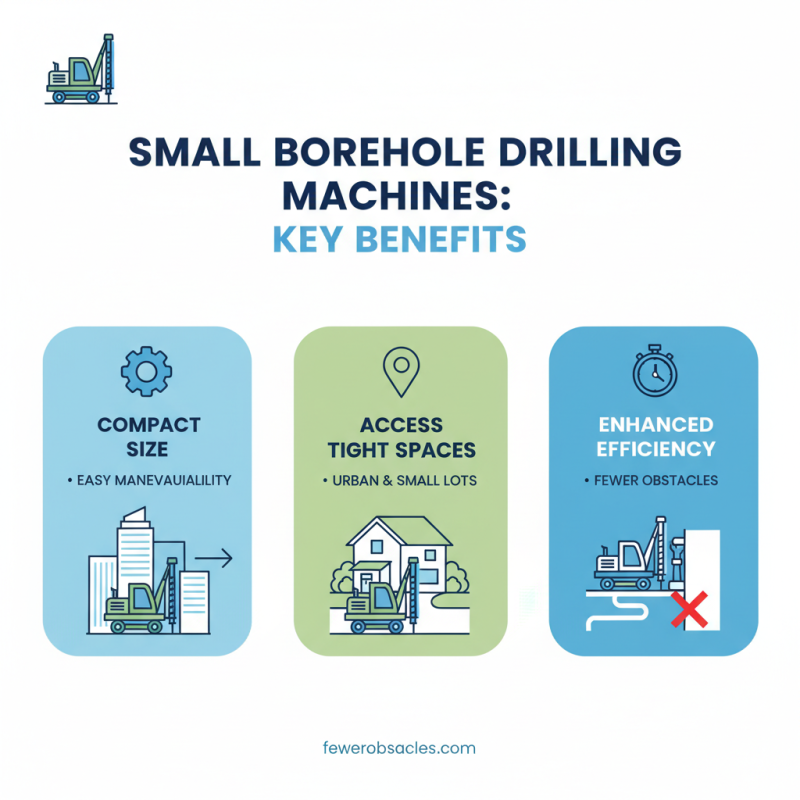
Small borehole drilling machines offer numerous benefits that cater to various project needs. One notable advantage is their compact size. This design allows for easy maneuverability in tight spaces. Projects located in urban areas or small lots greatly benefit from this feature. Smaller machines can access spots that larger equipment cannot. This means fewer obstacles and enhanced efficiency.
Moreover, small borehole drills are often more economical. They require less power and can be operated by a smaller crew. These factors can save substantial labor costs. The lightweight design also means lower transport costs. Many projects are constrained by budget, making these machines an ideal choice. Their ability to perform effectively in diverse soil conditions also adds to their allure.
However, these smaller machines may lack the power needed for larger boreholes. Some operations might require more force. This can lead to delays and additional costs. It's essential to assess the scale of your project before making a choice. The balance between size, cost, and effectiveness is crucial. It's a decision that requires careful consideration.
Key Considerations When Selecting a Small Borehole Drilling Machine
When selecting a small borehole drilling machine, consider the project's specific needs. The diameter and depth of the borehole are crucial factors. A smaller diameter might suffice for water supply, while a larger one is needed for geological sampling. Knowing your requirements helps narrow down your options significantly.
Another essential factor is portability. Smaller machines are easier to transport. If your project site is remote or difficult to reach, a lightweight model makes a big difference. However, portability can sometimes compromise power. Reflect on the balance between portability and the drilling depth you require.
Lastly, budget plays a key role in decision-making. High-priced machines often bring advanced features. Yet, a more affordable option may meet your needs just as well. Evaluate what you really need versus what you're willing to spend. Don't rush the decision. Take time to assess all factors before making a purchase.
Comparison of Small Borehole Drilling Machine Features
Comparative Analysis: Small Borehole vs. Traditional Drilling Machines
When considering borehole drilling, small borehole drilling machines offer distinct advantages over traditional options. According to industry reports, small machines can operate in tighter spaces. They are ideal for residential or urban projects where space is limited. This compact design can reduce the need for extensive site preparation and heavy equipment.
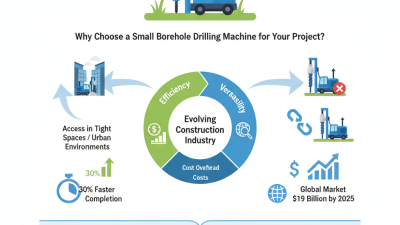
Traditional drilling machines, while powerful, often come with higher operational costs. These machines consume more fuel and require larger crews to operate. In contrast, small borehole machines often use less fuel and can often be managed by fewer operators. Reports suggest that operational costs are reduced by up to 30% when using small borehole technology. This efficiency can be beneficial for budget-conscious projects.
However, small machines do have limitations. They may not be suitable for deeper drilling tasks. Some projects require the strength and reach that traditional machines provide. For projects demanding high precision, small borehole machines can struggle with stability. Evaluation of specific project needs is essential. Maintaining a balance between cost and capability is crucial.
Why Choose a Small Borehole Drilling Machine for Your Project? - Comparative Analysis: Small Borehole vs. Traditional Drilling Machines
| Feature |
Small Borehole Drilling Machine |
Traditional Drilling Machine |
| Size & Weight |
Compact and lightweight design |
Bulky and heavier |
| Mobility |
Easier to transport and maneuver |
Less mobile, requires heavy machinery for transport |
| Drilling Depth |
Ideal for shallow drilling applications |
Capable of deep drilling |
| Cost |
Lower operational and maintenance costs |
Higher costs associated with operation and upkeep |
| Depth of Field Applications |
Suitable for limited access areas |
Broad range of application, but limited in tight spaces |
| Environmental Impact |
Less noise and disturbance |
Often creates more noise and disruption |
| Ease of Use |
User-friendly with simpler controls |
Requires specialized training for operation |
| Ideal Use Cases |
Garden projects, small wells, and geothermal installations |
Large scale construction and industrial applications |
Maintenance and Care Tips for Maximizing Performance of Small Machines
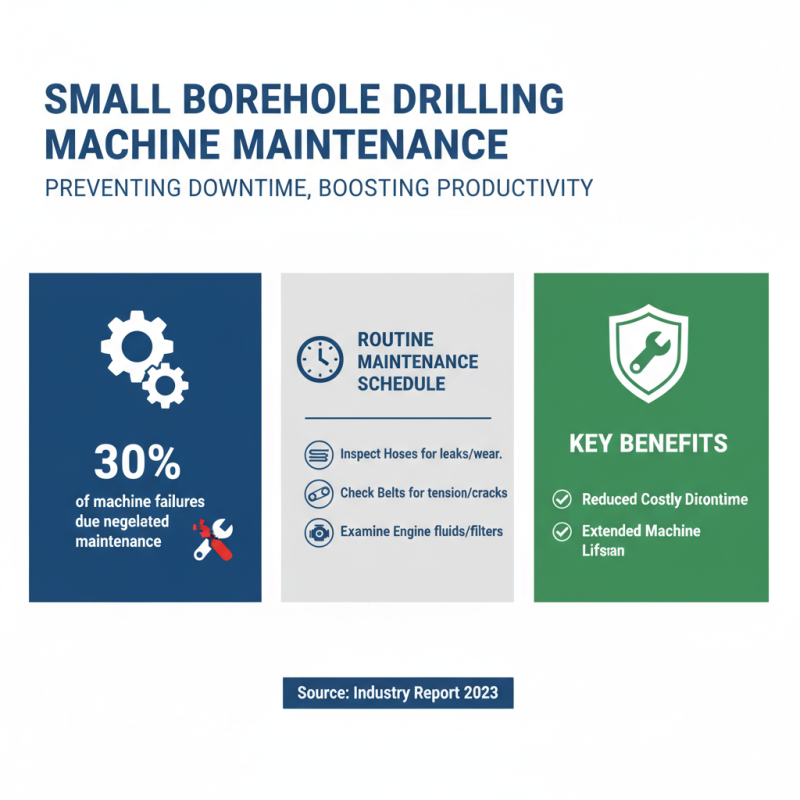
When working with small borehole drilling machines, maintenance is paramount. Regular checks can prevent costly downtime. A recent industry report indicated that over 30% of machine failures result from neglecting maintenance tasks. Operators must establish a routine schedule. This includes inspecting hoses, belts, and engines.
Proper lubrication is critical. Machines that drill at high pressure require specific lubricants to function optimally. Using the wrong lubricant can lead to decreased performance and can even damage components. In fact, studies show that incorrect lubrication practices can reduce machine lifespan by up to 25%. Operators should always consult the equipment manual for guidelines.
Additionally, keeping the work area clean can improve efficiency. Debris can cause wear on moving parts. Dirt and dust affect machinery calibration. A clean workspace enhances performance considerably. It helps workers to notice potential issues quickly. A disciplined approach to maintenance ensures that small machines perform at their best, leading to successful projects. Regular training for operators on care practices is also beneficial.