How to Choose the Right Rubber Belt Rewinder Machine for Your Needs?
Choosing the right Rubber Belt Rewinder Machine is crucial for efficiency. The right machine can significantly impact production quality. Factors such as size, speed, and features need consideration.
In recent years, advancements in technology have improved these machines. Many now come with integrated systems for better performance. However, choosing one without proper research might lead to issues. Buyers must understand their needs well.
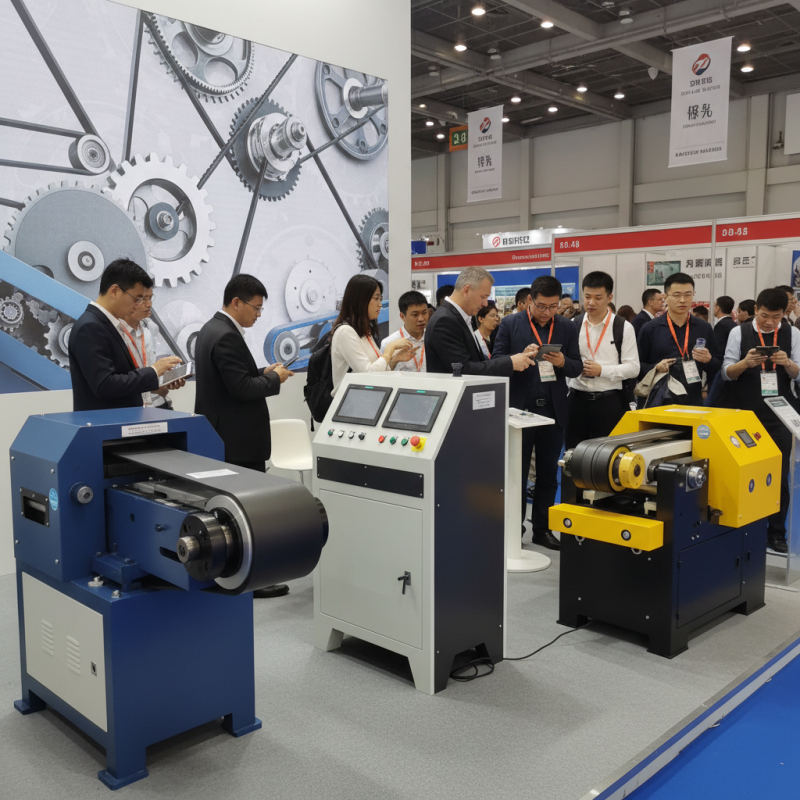
At trade shows like the Canton Fair, the latest models are showcased. Buyers can find machines that meet specific quality certifications. Investing time in selection pays off. Mistakes can be costly, so careful consideration is essential.
Factors to Consider When Selecting a Rubber Belt Rewinder Machine
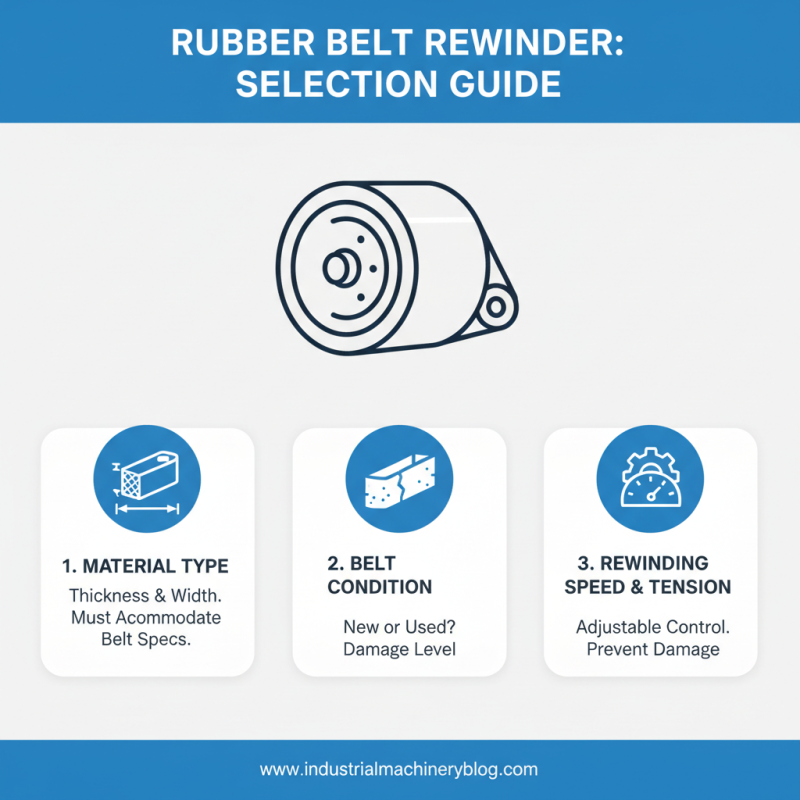
When selecting a rubber belt rewinder machine, consider several key factors. First, the material type is crucial. Determine the thickness and width of the belts you will work with. The machine must accommodate these specifications comfortably.
Next, evaluate the rewinding speed. This impacts productivity. A faster rewinding option can save time but might increase wear on the machine. Find the right balance. Also, consider how often you may need to change the belt type. Versatility can save costs but may lead to complexity in operation.
Another factor to reflect on is space. Ensure that the machine fits within your workspace. A compact model may seem appealing, but it might compromise efficiency. Additionally, think about the ease of operation. A user-friendly interface is important for training staff. A complicated machine can lead to frustration and errors.
Evaluating the Technical Specifications of Rubber Belt Rewinder Machines
When evaluating rubber belt rewinder machines, technical specifications play a crucial role. Look for the machine's winding speed. It's essential to ensure it meets your production requirements. A speed that is too slow can hinder efficiency. Conversely, a machine that operates too quickly might compromise the quality of the winding.
Consider the maximum roll diameter as well. Some machines can handle larger rolls, while others are limited. This might impact your operations if you frequently deal with various roll sizes. Pay attention to the material of the rollers too. High-quality materials can prevent wear and extend the machine's lifespan.
Adjustability is another vital feature. Some machines offer customizable settings. This flexibility can be beneficial when dealing with different types of belts. However, too many options can complicate operation. It's crucial to find the right balance between versatility and ease of use. Evaluate your specific needs before making a choice. This will help in selecting the best machine for your project.
Assessing Production Capacity for Optimal Rubber Belt Rewinding Efficiency
Choosing the right rubber belt rewinder machine significantly impacts production efficiency. One crucial aspect to consider is production capacity. According to a recent industry report, efficient machines can increase output by 25% or more, depending on the operational specifics of your workshop. A machine with a high production capacity prevents bottlenecks during busy periods.
When assessing production capacity, it’s vital to consider the material being used. Different rubber compounds have varying winding requirements, influencing the speed and effectiveness of the rewinding process. For example, some dense materials may slow down operations. The average rewinding speed for most machines ranges from 30 to 150 meters per minute, affecting how much material can be processed in a given time.
Understanding these factors helps refine expectations. A machine that adapts to different materials may take more time to set up. Additionally, not all machines have user-friendly interfaces, complicating operation. Consider the specific needs of your production line. Evaluate whether a higher initial investment in a machine with better capacity pays off in long-term efficiency.
Cost-Effectiveness: How to Budget for a Rubber Belt Rewinder Machine
When budgeting for a rubber belt rewinder machine, consider your operational needs and costs. Industry reports suggest that the initial investment can range from $5,000 to $50,000. These costs vary significantly based on machine capacity and features. Small to medium businesses often face tighter budgets. However, it's crucial to balance price with quality and functionality.
Tips: Analyze operational volume. A machine for lower volumes may not justify a high price.
Additionally, maintenance costs can accumulate. Regular servicing is necessary to ensure longevity. According to a recent survey, 20% of companies overlook these expenses when budgeting. This leads to unexpected financial strain. Budget planning should also include training costs for personnel. Skilled operators can help maximize machine efficiency.
Tips: Gather quotes from multiple suppliers. Compare not just the price, but also support and warranties offered.
Finally, factor in potential production disruptions. Investing in a dependable machine might save money in the long run. Inadequate planning could lead to lost production time and revenue. Ensure that any chosen solution aligns with future growth and evolving needs in the industry.
How to Choose the Right Rubber Belt Rewinder Machine for Your Needs? - Cost-Effectiveness: How to Budget for a Rubber Belt Rewinder Machine
| Feature |
Description |
Estimated Cost (USD) |
Maintenance Cost (Annual) |
| Belt Width Capacity |
Suitable for belts up to 60 inches wide |
$10,000 |
$800 |
| Power Supply |
Compatible with 220V and 380V systems |
$7,500 |
$600 |
| Auto Rewind Feature |
Automatic rewinding of rubber belts |
$12,000 |
$1,000 |
| Speed Control |
Variable speed settings for different materials |
$9,000 |
$700 |
| Safety Features |
Emergency stop and protective covers |
$8,500 |
$500 |