Best Conveyor Belt Slitter Manufacturer in China?
Choosing the best Conveyor Belt Slitter manufacturer in China takes more than comparing prices or machine photographs. A slitter may look sturdy on a showroom floor, yet struggle with thick rubber, reinforced fabric, or long production runs. Buyers should examine blade type, cutting-width range, feed control, guarding, and replacement-part availability. Ask how the machine handles your actual belt material. Ask for test-cut results, too. Small details matter.
For an illustrative perspective, rather than a verified quotation, fictional conveyor-converting engineer Alex Morgan offers this rule: “A clean cut starts with matching the blade, feed speed, and belt construction.” It sounds simple. In practice, each setting can affect edge quality, heat, and waste. A credible supplier should explain those trade-offs, share clear specifications, and support commissioning and operator training. Check whether demonstrations use material similar to yours, not just an easy sample.
This guide outlines practical ways to assess Chinese manufacturers, compare slitter designs, and ask useful questions before requesting a quotation. It also considers after-sales support, customization, quality checks, and documentation. None of these guarantees a perfect purchase. That takes testing. Even careful buyers can overlook maintenance access or lead times, so those deserve a second look. The aim is not to crown a supplier from a brochure, but to help buyers identify a machine and manufacturer that fit their production needs.
What Is a Conveyor Belt Slitter and How Does It Work?
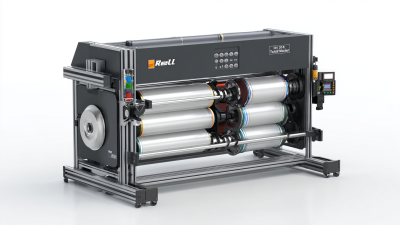
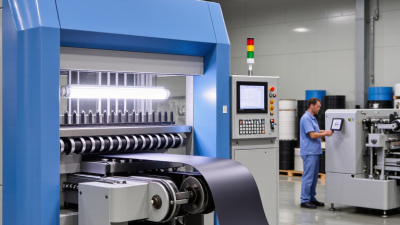
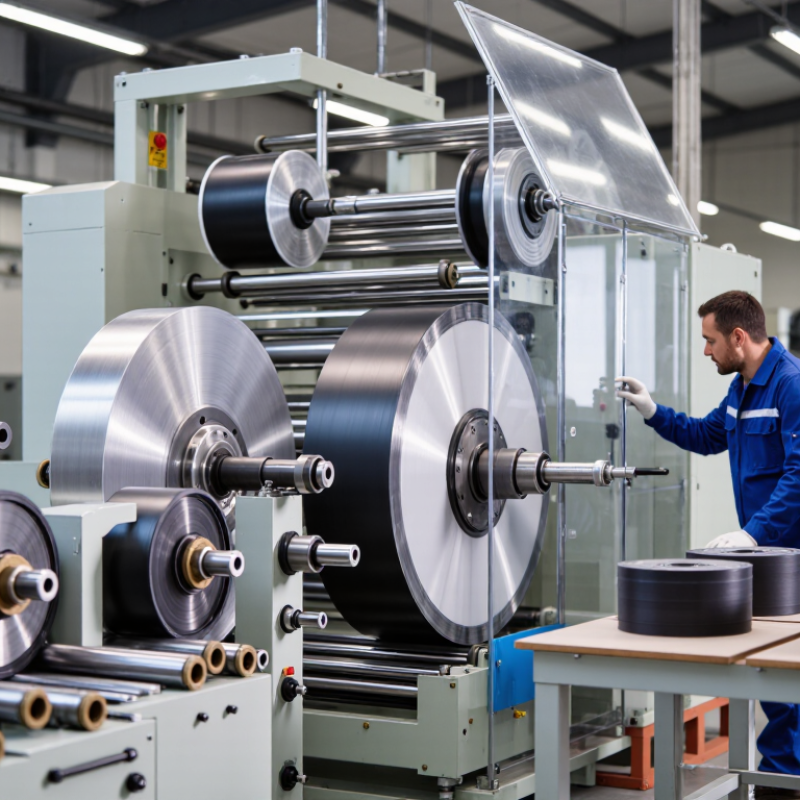
A conveyor belt slitter is a machine that cuts a wide belt lengthwise into narrower, specified widths. The belt unwinds from a roll, passes through driven feed rollers, and meets circular or shear blades mounted at set intervals. A tension system keeps the material stable, while a rewinder collects the finished strips. That matters. Uneven tension can cause wandering edges or inconsistent widths, even when the blades are sharp.
Operators choose blade type and clearance according to belt thickness and reinforcement. Rubber, fabric, and steel-cord constructions do not cut alike. Speed, blade wear, and alignment also affect edge quality, so test cuts and regular measurements are practical checks. Guards and emergency stops are essential around moving rollers and blades.
Grand View Research estimated the global conveyor belt market at USD 5.85 billion in 2023, with a projected 4.5% compound annual growth rate from 2024 to 2030. This market figure indicates broad demand for conveying systems, not slitter sales specifically.
Setup is less tidy than a diagram suggests. A small alignment error may only become obvious after several metres of material have passed through the machine.
Key Factors for Choosing a Conveyor Belt Slitter Manufacturer
Choosing a conveyor belt slitter manufacturer in China starts with the material, not the catalogue. Share belt width, thickness, construction, and target slit widths before comparing machines. Ask the supplier to run your own belt sample. Check edge quality, width consistency across the roll, blade changes, and how the machine handles belt tension. A polished demonstration is useful, but it is not a production test.
Safety and operator support deserve equal attention. OSHA estimates that effective lockout/tagout practices prevent about 120 deaths and 50,000 injuries each year in the United States. Ask how the slitter guards cutting points, isolates stored energy, and documents safe maintenance. Training matters, too. A 2024 Deloitte and Manufacturing Institute report projects that up to 1.9 million U.S. manufacturing jobs could go unfilled by 2033. Clear controls and practical training can ease the burden on a small team. That matters.
Then verify service, not just specifications. Request a written tolerance, acceptance-test plan, spare-blade list, and realistic response times for remote support. Ask for references from plants processing similar belt materials. Compare the delivered cost, including installation and commissioning, rather than the machine price alone. I would still be cautious: a supplier’s stated accuracy may depend on material and setup, so get the test conditions in writing. A cheaper quote can cost more later.
Manufacturing Capabilities of Chinese Conveyor Belt Slitter Suppliers
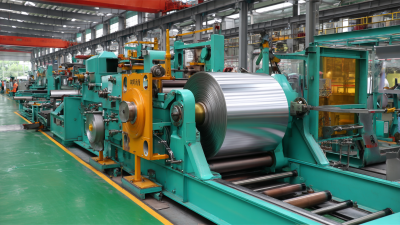
Chinese conveyor belt slitter suppliers vary widely in their manufacturing capabilities. A strong supplier can machine stable frames, align rotating shafts, and produce clean, consistent cuts. Ask how it controls blade runout and belt tracking. These details affect edge quality during long production runs.
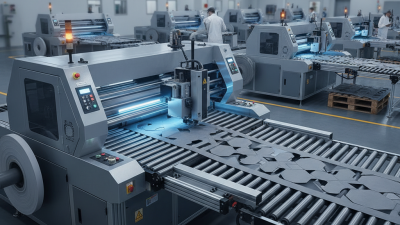
Useful equipment may include adjustable slit widths, guarded cutting stations, variable-speed drives, and dust collection. Look for practical inspection records, not just polished machine photos. Suppliers should be able to explain how they test cutting accuracy, emergency stops, and performance under different belt thicknesses. Details matter. A sample cut can reveal burrs, uneven edges, or belt movement that a brochure will not show.
Customization is another important capability. A manufacturer may adapt conveyor height, working width, or feeding arrangements to fit an existing line. Request drawings, tolerance information, and a clear list of included components before comparing quotations. Communication can still be imperfect, even with an experienced factory. Confirm technical changes in writing, and ask who handles commissioning and spare parts. No machine suits every material; test the intended belt type before finalizing specifications.
How to Compare Conveyor Belt Slitter Manufacturers in China
Best Conveyor Belt Slitter Manufacturer in China?
How to Compare Conveyor Belt Slitter Manufacturers in China
Compare manufacturers against your actual belt, not just their catalogue. A 2024 Fortune Business Insights report valued the global conveyor belt market at USD 5.29 billion in 2023 and projected continued growth. That wider demand makes reliable converting equipment important, but market growth alone does not prove a machine’s quality. Check its supported belt width, thickness, ply structure, cutting speed, and blade options. Ask for a live trial using your material, then inspect the cut edge and measure width consistency. A brochure is not proof.
Compare the full service package, too. Ask how quickly the supplier can provide blades, wear parts, operating manuals, and remote troubleshooting. Request a written specification, acceptance test, and clear warranty terms. If possible, speak with a customer using similar belt materials and production volumes. Not enough? Also inspect the factory’s assembly and testing process.
Tips: Bring a short sample roll and define your target cut width before requesting a quote. Record edge quality, measurement variation, and setup time during the trial. A low price can look attractive, but it may not include installation or training. Some details are easy to miss; check them twice.
Quality Standards, Customization, and After-Sales Support to Evaluate
Choosing a conveyor belt slitter manufacturer in China requires more than comparing price sheets. Ask how the machine is inspected before shipment, and request measurable records for blade alignment, shaft runout, and cutting repeatability. Small details matter. A clean cut on a sample roll is useful, but it does not prove consistent performance across different belt thicknesses.
Customization should start with your actual material and workflow. Share belt width, thickness range, reinforcement type, target slit width, and daily operating hours. Then confirm which parts can be adjusted, such as blade spacing, feed speed, tension control, and dust collection. Ask for a drawing and a trial-cut report. Not just a brochure. A specification may look complete, yet omit changeover time or operator access; that omission can become expensive later.
After-sales support is equally important. Clarify warranty coverage, spare-blade availability, troubleshooting channels, and typical response times before ordering. Useful support includes clear manuals, remote setup guidance, and practical operator training. Ask how faults are diagnosed when a video call cannot show the problem clearly. No supplier is perfect, and delivery schedules can slip; candid answers are more credible than broad promises. Keep acceptance criteria in writing, including sample quality and agreed test conditions, so both sides have a concrete reference after installation.