Top Benefits of Using a Rubber Belt Rewinder Machine in Manufacturing
In the modern manufacturing landscape, efficiency and precision are paramount, particularly in industries that rely on rubber materials. One of the key innovations that have streamlined this process is the Rubber Belt Rewinder Machine. This machine plays a crucial role in enhancing productivity by automating the unwinding and rewinding processes of rubber belts, thereby minimizing waste and maximizing output.
The Rubber Belt Rewinder Machine not only improves the speed of production but also ensures consistent quality throughout the manufacturing process. By mechanically managing the tension and alignment of rubber materials, it reduces the risk of defects that can arise from manual handling. Furthermore, the integration of such machinery can lead to significant labor savings and enhanced operational safety, allowing manufacturers to focus on core production activities rather than the manual organization of materials.
As industries continue to adopt advanced technologies, the benefits of utilizing a Rubber Belt Rewinder Machine are becoming increasingly recognized. From improved production efficiency to reduced material waste, this innovative equipment is essential for manufacturers looking to stay competitive in a rapidly evolving market. Embracing such technology not only enhances productivity but also supports sustainability efforts by optimizing resource use, making it a valuable addition to any manufacturing operation.

Understanding the Basics of Rubber Belt Rewinder Machines
Rubber belt rewinder machines are essential tools in manufacturing environments where rubber materials are used. At their core, these machines serve a simple yet crucial purpose: they efficiently wind rubber belts onto spools or rollers, facilitating easier storage and transportation. Understanding how these machines operate enhances their effective integration into production lines, thereby streamlining processes and reducing downtime.
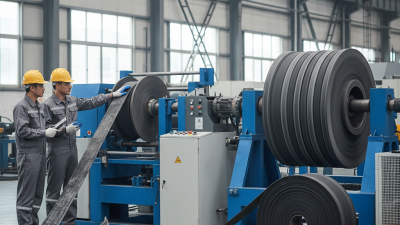
The basic components of a rubber belt rewinder machine typically include a motor, tension control system, and a winding mechanism. The motor drives the winding process, while the tension control system ensures that the rubber is wound evenly and securely, preventing any damage that could occur from improper handling. Additionally, many models come with features that allow operators to adjust winding speed and tension according to the specific type of rubber being processed, which is critical for maintaining the integrity of the material throughout its lifecycle.
Top Benefits of Using a Rubber Belt Rewinder Machine in Manufacturing
Key Features of Rubber Belt Rewinder Machines in Manufacturing
Rubber belt rewinder machines are increasingly recognized for their pivotal role in streamlining manufacturing processes across various industries. One of the key features of these machines is their ability to enhance efficiency by automating the winding and rewinding process of rubber belts. This automation not only reduces labor costs but also minimizes human error, leading to a more consistent product output. According to a recent report from the International Manufacturing Technology Show, automated systems can improve production rates by up to 30%, significantly impacting overall productivity.
Another noteworthy feature of rubber belt rewinder machines is their adaptability to different belt sizes and materials. Modern machines are equipped with advanced technology that enables quick adjustments for diverse specifications, allowing manufacturers to switch between production runs with ease. This flexibility is vital in a fast-paced market where responsiveness to changing customer demands is crucial. The Machinery Industry Association indicates that manufacturers who invest in such adaptable technology can achieve a 25% reduction in setup times, thereby facilitating faster turnaround times and improved customer satisfaction.
Efficiency Improvements Offered by Rubber Belt Rewinder Machines
Rubber belt rewinder machines have become essential tools in manufacturing due to their significant efficiency improvements. By automating the rewinding process, these machines reduce manual labor, allowing workers to focus on more complex tasks while increasing output. The automation not only streamlines production but also minimizes the chances of human error, ensuring that each belt is rewound uniformly and to precise specifications. This consistency in quality leads to fewer defects and waste, ultimately enhancing the overall manufacturing workflow.
In addition, rubber belt rewinders can optimize operational time. They are designed to handle large volumes of material rapidly, significantly cutting down on the time required to prepare belts for use. The ability to quickly switch between different belt sizes and types adds further flexibility to the manufacturing process. Furthermore, these machines can often be integrated with existing production lines, which facilitates a smoother transition and enhances the overall productivity of the facility. By minimizing downtime and maximizing the effectiveness of each production cycle, rubber belt rewinder machines play a critical role in enhancing manufacturing efficiency.
Top Benefits of Using a Rubber Belt Rewinder Machine in Manufacturing
| Benefit |
Description |
Efficiency Improvement |
| Reduced Downtime |
Minimizes interruptions during manufacturing processes. |
30% reduction in downtime |
| Consistent Product Quality |
Ensures even application of materials and precision. |
20% improvement in quality consistency |
| Increased Production Speed |
Allows for faster winding and unrolling processes. |
15% boost in production speed |
| Improved Worker Safety |
Offers safer handling of heavy belts, reducing accidents. |
Reduction of accidents by 25% |
| Cost Efficiency |
Lowers labor costs and minimizes material waste. |
10% reduction in operational costs |
Cost-Effectiveness of Implementing Rubber Belt Rewinder Machines
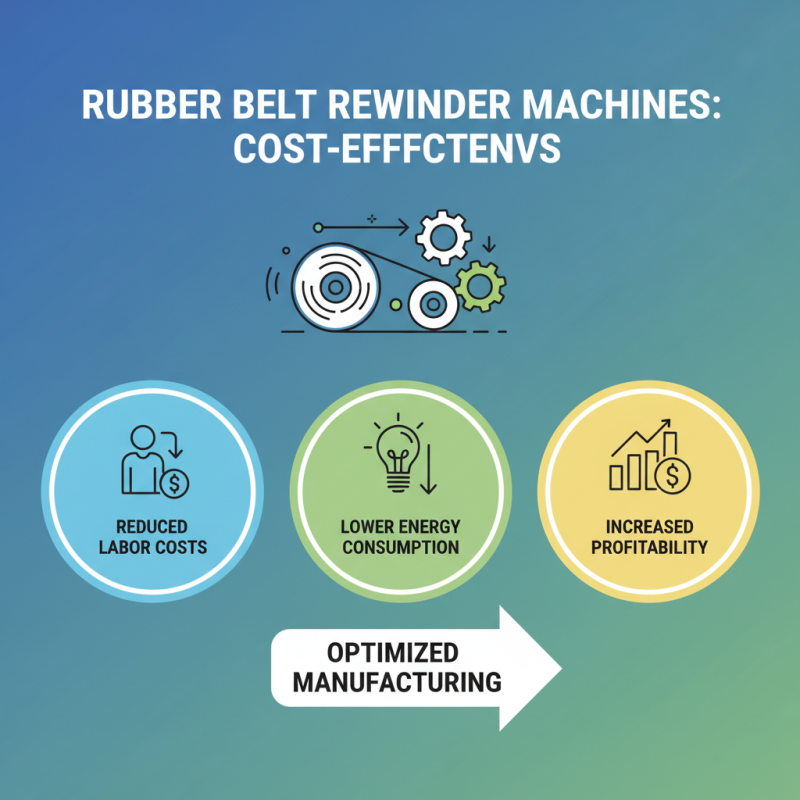
Implementing rubber belt rewinder machines in manufacturing presents a remarkable opportunity for cost-effectiveness. By automating the winding process, these machines significantly reduce labor costs, which can be a major expense in many production settings. Furthermore, the efficiency gained from a rubber belt rewinder leads to reduced energy consumption, lowering utility bills over time. This decrease in operational costs allows manufacturers to allocate resources to other critical areas of the business, ultimately enhancing overall productivity and profitability.
**Tips:** To maximize the benefits of using rubber belt rewinder machines, ensure that your team undergoes proper training on the machine’s operation and maintenance. Regular maintenance checks can prevent costly breakdowns and extend the lifespan of the equipment. Additionally, consider evaluating the machine's output regularly to ensure that it meets your production goals and continues to deliver value over time.
In addition to reduced labor and energy costs, using a rubber belt rewinder can help minimize material waste. Efficient winding processes ensure that belts are wound tightly and evenly, decreasing the likelihood of defects that could compromise product quality. This not only enhances the final product but also reduces the need for rework or replacements, further contributing to cost savings in your manufacturing operations.
Applications of Rubber Belt Rewinder Machines Across Industries
Rubber belt rewinder machines are integral to various industries, offering efficiency and precision in managing rubber materials. In manufacturing, these machines are commonly utilized in the automotive sector, where they help in the production and maintenance of conveyor belts that are essential for assembly lines. By automating the winding and unwinding processes, manufacturers can significantly reduce labor costs and improve production speed, ensuring that operations run smoothly and without interruptions.
Another notable application of rubber belt rewinder machines can be found in the packaging and food processing industries. These machines are designed to handle a variety of rubber products used in sealing and wrapping, which helps ensure that products are delivered fresh and intact. Furthermore, the textile industry also benefits from these machines, as they aid in managing elastic bands and other rubber components essential for garment production. The versatility of rubber belt rewinder machines allows them to adapt to different manufacturing requirements, making them a valuable asset across numerous sectors.