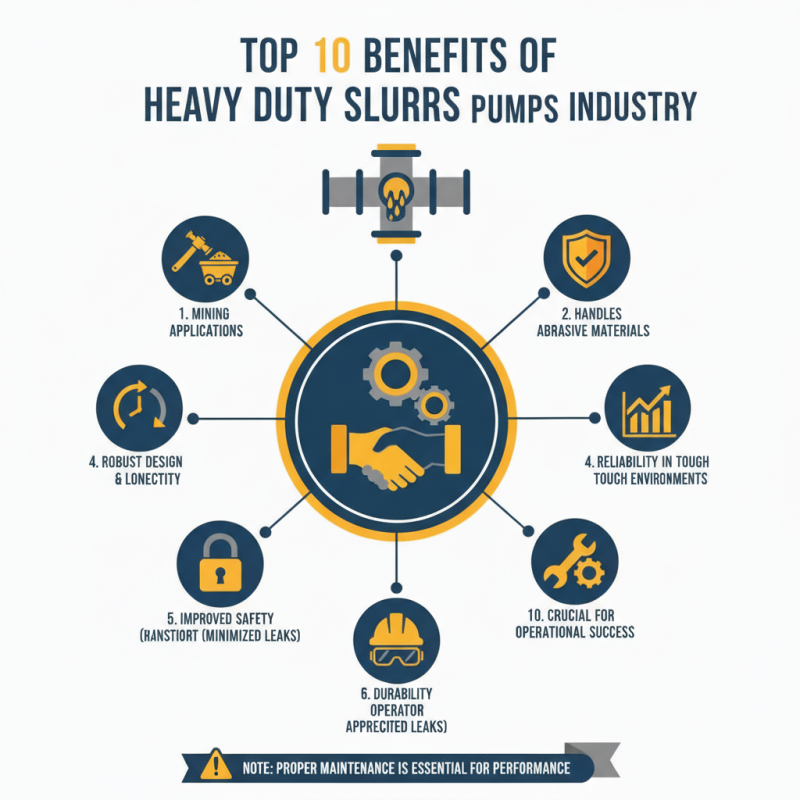
Top 10 Benefits of Heavy Duty Slurry Pumps for Industry?
heavy duty slurry pumps are essential in many industries. They handle abrasive materials with remarkable efficiency. Their robust design ensures longevity and reliability in tough environments.
In mining, for example, these pumps transport thick slurries effortlessly. They reduce downtime due to their durability, which many operators appreciate. Additionally, they offer improved safety by minimizing leak risks.
However, not all facilities utilize heavy duty slurry pumps effectively. Some operators may overlook their maintenance needs. This can lead to performance issues over time. It’s crucial to address these shortcomings while appreciating the advantages. Investing in quality equipment is vital for operational success.
Advantages of Heavy Duty Slurry Pumps in Industrial Applications
Heavy-duty slurry pumps play a crucial role in various industrial applications. They are designed to handle abrasive, corrosive, and viscous materials. This durability makes them suitable for sectors like mining, construction, and waste management. They reduce downtime and improve efficiency, which can lead to cost savings.
One advantage of these pumps is their ability to transport heavy loads with ease. They can move slurries over long distances without compromising performance. This efficiency is vital in operations where time is money. Companies often report fewer disruptions during their processes, thanks to the reliability of these pumps.
Tip: Regular maintenance of slurry pumps is essential. A small issue, if neglected, can lead to larger problems down the road. Operators should also monitor wear levels frequently.
The design of heavy-duty slurry pumps often includes features that enhance their lifespan. Materials used resist wear and corrosion, but operators should remain vigilant. Even the best equipment can encounter problems. Operators must continually evaluate their usage patterns to avoid unexpected failures.
Tip: It might help to keep a log of the pump’s performance. Noting changes can provide insights into maintenance needs.
Increased Efficiency and Productivity in Slurry Transport
Heavy duty slurry pumps play a crucial role in enhancing efficiency and productivity in the transport of slurry materials. According to a report by the Global Slurry Pump Market, these pumps can increase operational efficiency by up to 30%. They are designed to handle abrasive and viscous materials, reducing wear and tear on equipment. This leads to fewer downtime incidents, which can cost industries thousands of dollars daily.
In industries such as mining and construction, the rapid transport of slurry is essential. Heavy duty pumps can move large volumes of material quickly, significantly cutting down transportation times. Reports indicate that using these pumps can reduce transportation costs by approximately 20%. However, not all slurry pumps are created equal. Poor selection or maintenance can lead to failures. Regular inspections are necessary to avoid unexpected breakdowns that can halt operations.
The adaptability of heavy duty slurry pumps is another key benefit. They can work efficiently in varying temperatures and conditions. For example, they can operate effectively in temperatures ranging from -10 to 100 degrees Celsius, serving multiple industries. However, understanding the unique requirements of your specific application is vital. Using a pump not suited for a particular material can result in inefficiencies and increased costs.
Top 10 Benefits of Heavy Duty Slurry Pumps for Industry
Enhanced Durability and Longevity of Heavy Duty Slurry Pumps
Heavy duty slurry pumps are critical in various industries. Their enhanced durability and longevity are key factors that set them apart. These pumps are designed to handle abrasive materials effectively. They are built with strong components that resist wear and tear, making them suitable for challenging environments.
When choosing a slurry pump, consider the material used in its construction. High-quality materials can significantly improve the pump's lifespan. Regular maintenance is crucial, as it can help identify issues before they escalate. A small issue today can turn into a larger problem tomorrow.
Tip: Always check for signs of wear after operation. Small cracks or unusual noises can indicate potential failures.
Using heavy-duty slurry pumps can lead to fewer replacements over time. This not only cuts costs but also reduces downtime. Industries can benefit from their efficiency in transporting materials. However, remember that even the best pumps are not immune to failure.
Tip: Establish a routine inspection schedule. This ensures you catch potential issues early, saving time and money later on.
Top 10 Benefits of Heavy Duty Slurry Pumps for Industry
| Benefit | Description |
| Enhanced Durability | Heavy duty slurry pumps are designed to withstand harsh conditions, ensuring a longer lifespan. |
| Higher Efficiency | These pumps offer better flow rates and energy efficiency, reducing operational costs. |
| Versatile Applications | Suitable for various industries including mining, construction, and waste management. |
| Corrosion Resistance | Manufactured with materials that resist corrosive substances, extending their usability. |
| Reduced Maintenance | Less frequent servicing is required due to their robust design, saving time and money. |
| Improved Safety | Designed to minimize risks associated with high-pressure operations, enhancing workplace safety. |
| Adaptability to Different Conditions | Can operate effectively under varying temperatures and pressures. |
| Cost-Effective Solutions | While the initial investment may be higher, the long-term savings on repairs and energy make them cost-effective. |
| Environmental Friendly | Designed to reduce energy consumption and minimize environmental impact. |
| Reliable Performance | Consistent operation under various conditions ensures reliability in critical processes. |
Cost Savings and Reduced Maintenance for Industrial Operations
Heavy-duty slurry pumps play a vital role in industrial operations. They offer significant cost savings and reduced maintenance, which are key benefits for any company. According to industry reports, a welle-designed slurry pump can reduce energy consumption by up to 30%. This efficiency leads to lower operational costs.
Moreover, slurry pumps require less frequent maintenance. This translates into less downtime. Regular maintenance schedules may be reduced by 20-40% with heavy-duty pumps. Better durability in harsh conditions means fewer repairs, adding to long-term savings. Industries often overlook the importance of a proper pump selection. Investing in quality can save money over time.
Tips: Always assess your specific needs. Analyze the material you’ll be pumping. Understand the flow rates required. Sometimes spending a bit more upfront prevents bigger expenses later.
Using these pumps can truly enhance productivity. However, if not properly serviced, they can lead to unexpected failures. Awareness of wear components is essential. Monitor them closely. Ignoring minor issues can lead to costly repairs or replacements. Proper training for operators can mitigate risks significantly.
Versatility in Handling Various Types of Slurry Materials
Heavy duty slurry pumps are designed for various industries, showcasing exceptional versatility. They efficiently handle different types of slurry materials. This adaptability allows businesses to use them in mining, construction, and wastewater treatment. Each application demands unique handling capabilities. The right pump can make a significant difference in performance.
Choosing the correct slurry pump is not always straightforward. It is vital to consider the type of solids, viscosity, and flow rate. Trying to cut costs by selecting a cheaper pump might lead to frequent breakdowns. This can disrupt operations and lead to unwanted downtime. Regular maintenance is crucial, but it does not always prevent issues.
Workforce training plays an essential role in maximizing pump efficiency. Proper handling can extend the life of the equipment. Operators should understand the various strains their pumps endure. They should also identify potential problems early on. Listening to them is key to improving and ensuring operational success. Balancing cost and quality will guide better decisions for pump investments.