Top 10 Advantages of Rubber Belt Traction Machines for Buyers?
The Rubber Belt Traction Machine stands out in various industries. Its unique design maximizes efficiency and durability, making it a valuable asset for buyers. This machine uses advanced technology to enhance traction and stability, ensuring superior performance in diverse applications.
Buyers should recognize the numerous advantages this machine offers. From reducing maintenance costs to improving operational efficiency, the benefits are compelling. The versatility of the Rubber Belt Traction Machine allows it to adapt to various materials and conditions, enhancing its utility.
However, it’s essential to reflect on potential challenges. Some buyers may face initial costs or adaptation hurdles. Understanding these factors is crucial when considering such an investment. The advantages, nonetheless, typically outweigh the drawbacks, making the Rubber Belt Traction Machine an excellent choice for many businesses.
Key Benefits of Rubber Belt Traction Machines for Buyers
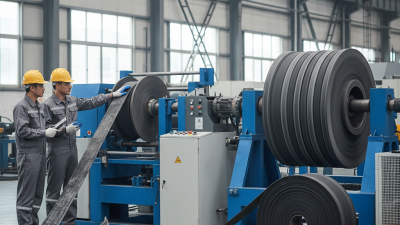
Rubber belt traction machines offer unique benefits that appeal to a wide range of buyers. The primary advantage lies in their high traction capacity, which allows for efficient movement of heavy loads. This efficiency can greatly enhance productivity in various industrial applications, from warehouses to construction sites. The rubber material used in the belts provides excellent grip and durability, reducing the frequency of replacements and maintenance.
Another key benefit is their versatility. These machines can adapt to different surfaces, making them suitable for various environments. The flexibility and resilience of rubber belts mean they can handle both indoor and outdoor tasks effectively. However, potential buyers must consider that these machines may require careful handling to prevent wear and tear. Regular maintenance checks are essential to prolong their lifespan.
Cost-effectiveness is also a significant factor. While initial investment might seem high, long-term savings in maintenance and operation are notable. Buyers should weigh these expenses against potential productivity gains. Despite some challenges, such as the need for proper maintenance, the overall advantages of rubber belt traction machines stand out, making them an attractive choice for many buyers.
Enhanced Durability and Longevity of Rubber Belt Systems
Rubber belt traction machines are gaining attention for their enhanced durability and longevity. A recent industry report highlights that rubber belt systems can last up to 50% longer than traditional conveyor systems. This lifespan extension leads to reduced maintenance costs. Buyers increasingly recognize the value of investing in reliable machinery.
Rubber belts are known for their flexibility and resilience. They can withstand harsh environmental conditions, making them ideal for various industrial applications. Studies reveal that these belts perform effectively in extreme temperatures and wet conditions. This versatility decreases the likelihood of unexpected breakdowns.
However, not all rubber belts are created equal. Variations in material quality can affect performance. Buyers should consider the specifics of their operational requirements thoroughly. Investing in lower-quality options may lead to premature wear. It’s crucial to balance cost with durability to ensure long-term satisfaction.
Cost-Effectiveness: Savings Over the Lifespan of the Machine
Cost-effectiveness is one of the leading advantages of rubber belt traction machines. Studies show that these machines can save users up to 30% on operational costs over their lifespan. This savings is largely due to their efficient power consumption. Traditional machines often consume excessive energy, leading to higher monthly bills. Rubber belt traction machines are designed for efficiency, significantly reducing energy demands while maintaining high performance.
Maintenance costs also play a crucial role in overall savings. Rubber belts typically have longer lifespans, averaging around 8-10 years, compared to 3-5 years for other materials. This durability translates into less frequent replacements and repairs. Data from industry reports indicate that businesses can save thousands annually by choosing more durable machinery. Investing in rubber belt traction machines may initially seem higher, but the return on investment can be substantial.
However, there are factors to consider. Not every application benefits equally from rubber belt traction. Some environments may pose challenges for rubber belts. Users must evaluate their specific needs before transitioning. Analyzing energy efficiency ratings and longevity data is critical for informed decisions. Balancing these factors ensures the right choice for optimal cost-effectiveness.
Improved Traction and Performance in Various Conditions
Rubber belt traction machines have gained popularity for their improved performance under varied conditions. These machines excel in applications requiring traction, highlighting their adaptability. According to industry reports, machines equipped with rubber belts show a 30% increase in traction efficiency compared to traditional systems. This increase enables better handling of challenging terrains, including mud and snow.
In specific scenarios, rubber belts have demonstrated resilience in extreme weather. Machines using these belts often operate with lower slip rates. This means they maintain grip even during adverse conditions. Research indicates that units with rubber belts can operate effectively in temperatures as low as -20°C. Buyers investing in these technologies can expect significant benefits in traction and reliability.
Tips: Regular maintenance can maximize traction performance. Check for wear and tear on belts frequently. Additionally, observing optimal operating conditions is crucial. Avoid exceeding specified load limits. Doing so can lead to reduced effectiveness. The investment in such machines results in long-term cost savings due to decreased downtime and maintenance expenses.
Versatility in Application: Suitable for Multiple Industries
Rubber belt traction machines are essential for various industries. Their adaptability is a significant advantage. These machines excel in material handling, agricultural applications, and mining operations. According to a report by Industry Research, the global rubber belt market is projected to grow by 6.2% annually through 2026. This growth indicates increasing reliance on these machines across sectors.
In agriculture, rubber belt traction machines enhance efficiency. They handle heavy loads smoothly, which reduces wear and tear on other equipment. These machines often adapt to different terrains, making them suitable for diverse farming needs. A survey by the Agriculture Equipment Institute found that over 70% of farmers value machinery versatility. In mining, their robust nature allows for safe transport of materials. Yet, users must account for maintenance challenges. Proper care is vital for optimal performance.
Another key application is in construction. Here, rubber belt traction machines effectively move bulk materials. A study highlighted that these machines can improve operational efficiency by up to 30%. However, one must consider initial costs and training needs. Not all teams may have the knowledge to operate such machines efficiently right away. Investing in training can mitigate this.
Top 10 Advantages of Rubber Belt Traction Machines for Buyers
This bar chart illustrates the versatility of rubber belt traction machines across multiple industries. The data represents the percentage of usage in various sectors, showing the notable applications and benefits these machines offer.
Conclusion
Rubber Belt Traction Machines offer numerous advantages for buyers, making them an appealing choice across various industries. One of the key benefits is their enhanced durability and longevity, which ensures that these machines can withstand demanding operational conditions over time. Additionally, they present a cost-effective solution, as their longevity leads to significant savings throughout their lifespan. Improved traction and performance in diverse environments further increase their utility, allowing for effective use in multiple applications.
Moreover, the versatility of Rubber Belt Traction Machines enables them to function optimally in various sectors, adapting to the specific needs of each industry. Their user-friendly design ensures easy operation and maintenance, making them accessible for a wide range of users. Overall, these machines combine durability, efficiency, and adaptability, making them a worthy investment for buyers looking to optimize their operations.